
In the complex ecosystem of family-owned enterprises, few events are as emotionally charged or financially devastating as a buyout dispute. The scenario presented—where an individual is bought out of a family business for $160,000, only to watch their relatives realize $3 million each upon a subsequent sale—is not merely a personal grievance. This proves a profound case study in the mechanics of business valuation, the nuances of shareholder equity, and the often-fragile intersection of familial bonds and fiduciary responsibility.
For many, the immediate reaction is one of betrayal. When the delta between a buyout price and a subsequent exit value is that vast, the question of whether one has been “cheated” moves from the dinner table to the courtroom. However, determining whether such a disparity constitutes legal wrongdoing or is simply the byproduct of market timing and valuation methodology requires a deep dive into the structural realities of private company ownership.
As we analyze this discrepancy, we must move beyond the emotional optics of the numbers and examine the legal and economic frameworks that govern how a person’s stake in a company is priced, how decisions are made by majority owners, and what protections exist for those exiting the family fold. This is a tension that defines much of the transition from traditional family-run businesses to larger, institutionalized entities.
The Anatomy of the Disparity: Why Buyouts Often Lag Sale Prices
At first glance, the jump from $160,000 to a multi-million dollar payout appears to be a clear-cut case of undervaluation. Yet, in the world of corporate finance, the value of a company is not a static number; it is a moving target influenced by liquidity, timing, and the specific method of valuation employed at the time of the transaction.
One of the primary drivers of such a gap is the distinction between Fair Market Value (FMV) and Liquidation Value. When a family member is bought out, the valuation is often conducted under “distressed” or “liquidity-constrained” conditions. If the company is not yet ready for a major exit, the valuation might rely heavily on asset-based models—looking at what the company owns today—rather than income-based models, which project what the company will earn in the future. If the business experienced significant growth or a market shift in the years following the buyout, the eventual sale price would naturally reflect that heightened earning potential, a potential that was not “baked into” the initial $160,000 price tag.

we must consider the Control Premium. In a buyout, a majority owner is often paying to consolidate power. Conversely, a minority shareholder—the person being bought out—often faces a Minority Discount. Because a minority stake does not grant the power to direct company policy, vote on major transactions, or control distributions, it is mathematically valued lower than a pro-rata share of the total company. This “lack of control” discount can significantly depress the price offered to an exiting family member, even if the underlying business is healthy.
The timing of the “liquidity event”—the moment the business is sold—is also critical. A buyout may occur during a period of high interest rates or economic uncertainty, suppressing valuations. If the subsequent sale occurs during a period of market expansion or after a strategic pivot, the valuation multiples used by buyers will be significantly higher, creating the appearance of a massive windfall for those who remained.
Legal Guardrails: Shareholder Agreements and Fiduciary Duty
Whether a buyout is “fair” in a legal sense depends less on the final sale price and more on whether the process adhered to the governing documents of the company and the statutory duties of its directors. In any closely held corporation or LLC, the Shareholder Agreement or Operating Agreement serves as the “constitution” of the business. These documents typically outline the specific formulas used to value shares during a buyout, the notice requirements for such transactions, and the rights of departing members.
If the $160,000 buyout followed the exact mathematical formula prescribed in a signed, legally binding agreement, the individual may have no legal recourse, regardless of how much more the relatives made later. The law generally respects the “freedom of contract,” meaning that if you agreed to a certain valuation method, you are bound by it.
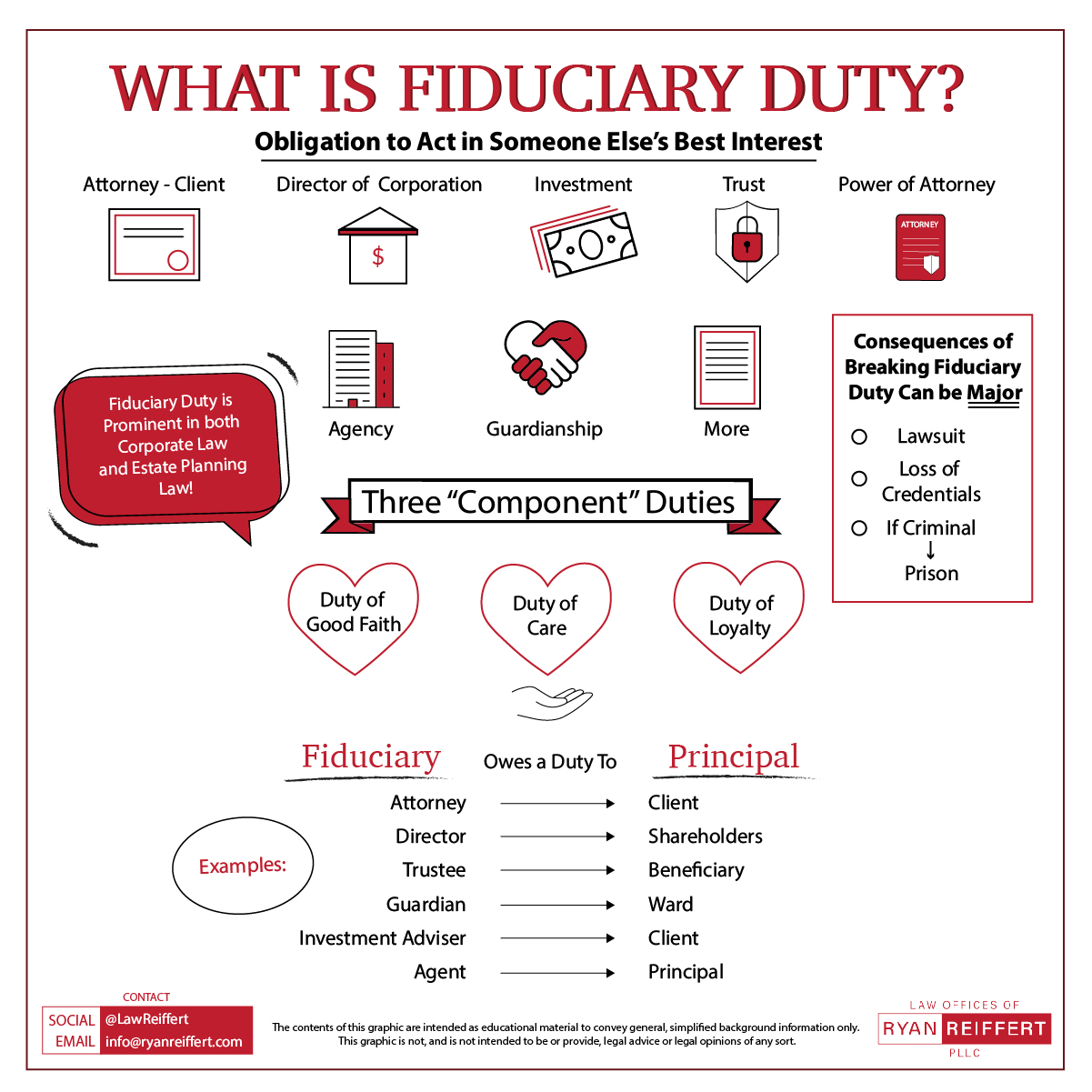
However, the concept of Fiduciary Duty introduces a layer of complexity. Directors and majority shareholders owe a duty of loyalty and a duty of care to all shareholders, including minority owners. If the majority owners manipulated the company’s books, suppressed its true earnings, or intentionally delayed a sale to low-ball a departing member, they may have breached these duties. Under many jurisdictions, a breach of fiduciary duty can lead to litigation aimed at recovering the “lost” value that resulted from the bad-faith actions of the controlling interest.
Another critical legal avenue is the claim of Minority Oppression. This occurs when the controlling shareholders take actions that are detrimental to the minority shareholders, such as withholding dividends to force a low-cost buyout or diluting the minority’s interest through unfair capital calls. Proving minority oppression often requires demonstrating that the majority’s actions were not just terrible business decisions, but were specifically designed to disadvantage the minority holder for the benefit of the majority.
The Role of Professional Valuation in Mitigating Conflict
The absence of independent, third-party valuation is perhaps the most common catalyst for family business litigation. When a family member sets the price for another family member, the process is inherently compromised by perceived or actual conflicts of interest. To avoid the “cheated” narrative, sophisticated family enterprises utilize professional valuation experts to establish a baseline.
You’ll see several standard approaches to business valuation that should be utilized in any buyout to ensure transparency:
- The Income Approach: This focuses on the present value of the business’s future expected cash flows. It is often the most accurate for growing companies but requires stable projections.
- The Market Approach: This involves comparing the business to similar companies that have recently been sold. This provides a “reality check” based on what actual buyers are paying in the current market.
- The Asset Approach: This calculates the net value of all tangible and intangible assets. While useful for capital-intensive businesses, it often fails to capture the “goodwill” or brand value that drives high-multiple sales.
Without a clear, documented reliance on these methodologies, the buyout price of $160,000 remains vulnerable to the accusation of being arbitrary or predatory. A robust succession plan should mandate that any buyout be accompanied by a formal valuation report from a certified professional, such as a member of the American Academy of Professional Valuators or a similar accredited body.
Preventing the “Buyout Gap”: Strategies for Succession Planning
For entrepreneurs and family leaders, the lesson of the $160,000 vs. $3 million disparity is clear: ambiguity is the enemy of equity. To prevent the legal and familial fallout that follows a perceived unfair buyout, businesses must implement rigorous succession and exit strategies long before a conflict arises.
First, the Buy-Sell Agreement must be comprehensive. This agreement should not only define the price but also the process for determining that price. It should specify whether a third-party appraiser will be used, how disputes regarding that appraisal will be resolved, and what specific valuation methods will be applied. By codifying these rules in advance, the family removes the element of “opinion” from the transaction.
Second, transparency regarding the company’s financial health is essential. Minority shareholders who are being bought out should have a right to reasonable access to financial information to verify that the valuation they are being offered is based on accurate data. This transparency builds trust and reduces the likelihood of “information asymmetry,” where the majority knows the true value and the minority is left in the dark.
Third, families should consider the implementation of Equalization Clauses or Clawback Provisions in certain contexts. While more complex to draft, these can sometimes be used to ensure that if a certain threshold of company value is reached within a specific timeframe following a buyout, the departing member is entitled to a supplemental payment. This can act as a “safety valve” to mitigate the sense of injustice when a massive sale occurs shortly after a buyout.
Key Takeaways for Business Owners and Heirs
| Risk Factor | Impact | Mitigation Strategy |
|---|---|---|
| Valuation Disparity | Perception of being “cheated” when sale prices rise. | Use standardized, professional valuation methods (Income/Market/Asset). |
| Minority Discount | Lower payout due to lack of control/voting rights. | Explicitly define the application (or waiver) of discounts in the Operating Agreement. |
| Fiduciary Breach | Legal liability for majority owners. | Maintain strict transparency and independent board oversight. |
| Ambiguous Agreements | Lengthy, expensive litigation. | Draft detailed Buy-Sell Agreements with clear dispute resolution clauses. |
Conclusion: The Path Forward
In the scenario where a buyout of $160,000 is followed by a multi-million dollar sale, the answer to “Was I cheated?” is rarely a simple yes or no. It is a question of whether the process was fair, whether the contract was honored, and whether fiduciary duties were upheld. If the buyout followed a pre-agreed formula, the individual may have simply been an early mover in a growing market. If the buyout was a result of manipulated data or suppressed information, then the individual may indeed have a valid claim for damages.
For those currently facing such a discrepancy, the next logical step is not an emotional confrontation, but a technical one. This involves engaging a forensic accountant to review the company’s historical financials and a legal professional specializing in business litigation to review the founding documents and the circumstances of the buyout.
What are your thoughts on the ethics of family buyouts? Have you witnessed similar disparities in family enterprises? Share your perspectives in the comments below and share this article with your professional network.
Worth a look