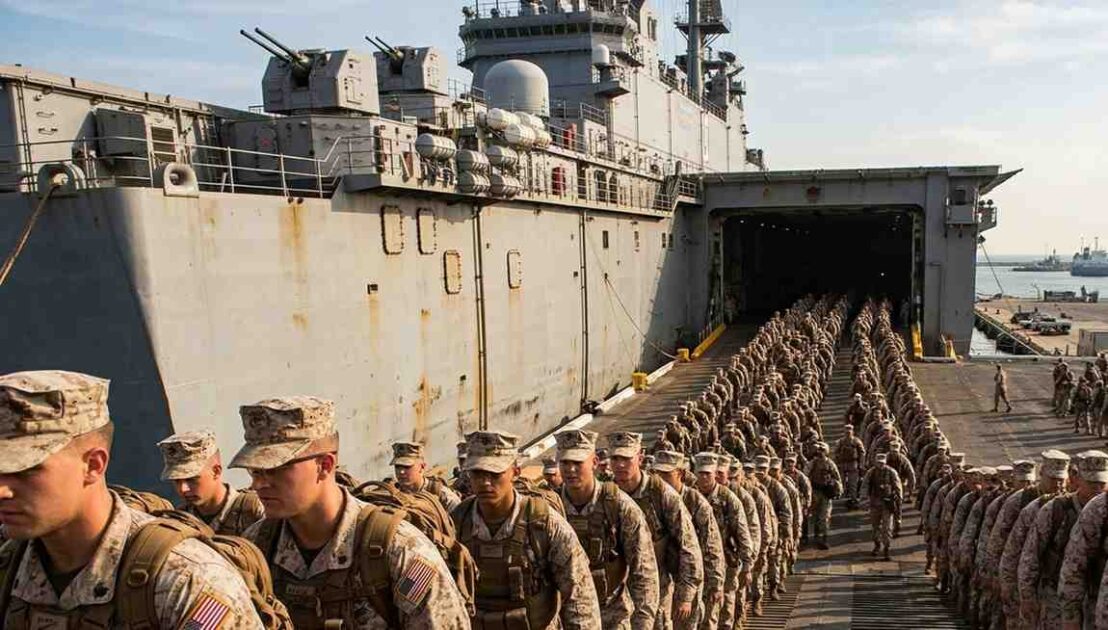
The United States will deploy an additional 5,000 troops to Poland, a move confirmed by President Donald Trump on Thursday. The decision marks a significant development in European security architecture, coming just one week after the Pentagon had initially announced the cancellation of a planned deployment of 4,000 troops to the same region.
President Trump, writing on his Truth Social platform, indicated that the decision was influenced by his relationship with Polish President Karol Nawrocki. The U.S. Leader noted his support for the Polish president during the previous year’s elections and described him as a long-time political ally. While the announcement has been met with positive reactions from key stakeholders, including NATO leadership, the specific operational details—such as whether these soldiers are part of the previously stalled deployment or represent a distinct mission—remain to be fully clarified by the White House.
Strategic Impact and NATO’s Response
The announcement of additional American forces in Poland was addressed by NATO Secretary General Mark Rutte ahead of a scheduled meeting of foreign ministers in Helsingborg, Sweden. Mr. Rutte welcomed the move as the alliance continues to navigate its collective defense posture in Eastern Europe. The move comes as Washington simultaneously signals an intent to adjust its overall troop presence across the continent as part of a broader “America First” policy agenda, as reported by the BBC.
Polish Prime Minister Donald Tusk publicly lauded the decision, characterizing it as a positive step for the security interests of both nations. In a statement posted to social media, Prime Minister Tusk expressed gratitude toward President Nawrocki, various ministers, and congressional allies in the United States for their efforts in facilitating the deployment. The Polish leadership views the reinforcement as a critical component of bilateral cooperation and regional stability.
Addressing the Logistics of the Deployment
The status of the military presence in Poland has been subject to rapid shifts over the past week. Following the abrupt announcement that the Department of Defense was cancelling a planned 4,000-troop deployment, U.S. Secretary of Defense Pete Hegseth later clarified that the move was merely a “temporary delay.” Secretary Hegseth emphasized that Washington remains committed to maintaining a robust military presence in the country, a stance that appears to be reflected in the latest presidential directive.
The geopolitical landscape remains complex, with U.S. Secretary of State Marco Rubio expected to emphasize the importance of burden-sharing among NATO member states during the ongoing discussions in Sweden. As Washington recalibrates its global military footprint, the balance between maintaining deterrence in Eastern Europe and fulfilling domestic policy mandates remains a central theme for the current administration.
Looking Ahead: What Comes Next
As the international community monitors these movements, the focus now shifts to the practical implementation of the troop surge. Foreign ministers from across the NATO alliance are currently engaged in high-level talks in Helsingborg, where the specifics of European reliance on U.S. Military support are expected to be a primary agenda item. While the administration has signaled a long-term trajectory toward reducing overall troop levels in Europe, the immediate deployment of 5,000 personnel underscores the continued strategic importance of the Polish-American security partnership.

Further updates regarding the timeline and specific units involved in the deployment are expected to be provided by the Department of Defense in the coming days. We will continue to track these developments as they unfold. We invite our readers to share their perspectives on the evolving security situation in Europe in the comments section below.