As the healthcare sector continues to navigate a complex landscape of administrative burdens and evolving digital requirements, the drive toward automation has reached a new milestone. On May 21, 2026, San Francisco-based healthcare technology company Innovaccer Inc. Announced the asset acquisition of CaduceusHealth, a move intended to bolster the integration of artificial intelligence into revenue cycle management processes for ambulatory care providers.
This development arrives at a time when many healthcare systems are grappling with the limitations of infrastructure designed for a pre-AI era. By folding CaduceusHealth’s long-standing expertise in billing, claims processing, and denial resolution into its own existing technological framework, Innovaccer aims to create a more unified operating layer for medical practices. For practitioners, this transition is intended to address the persistent challenges of manual workflows and the administrative strain that often diverts attention from direct patient care.
Modernizing Ambulatory Revenue Operations
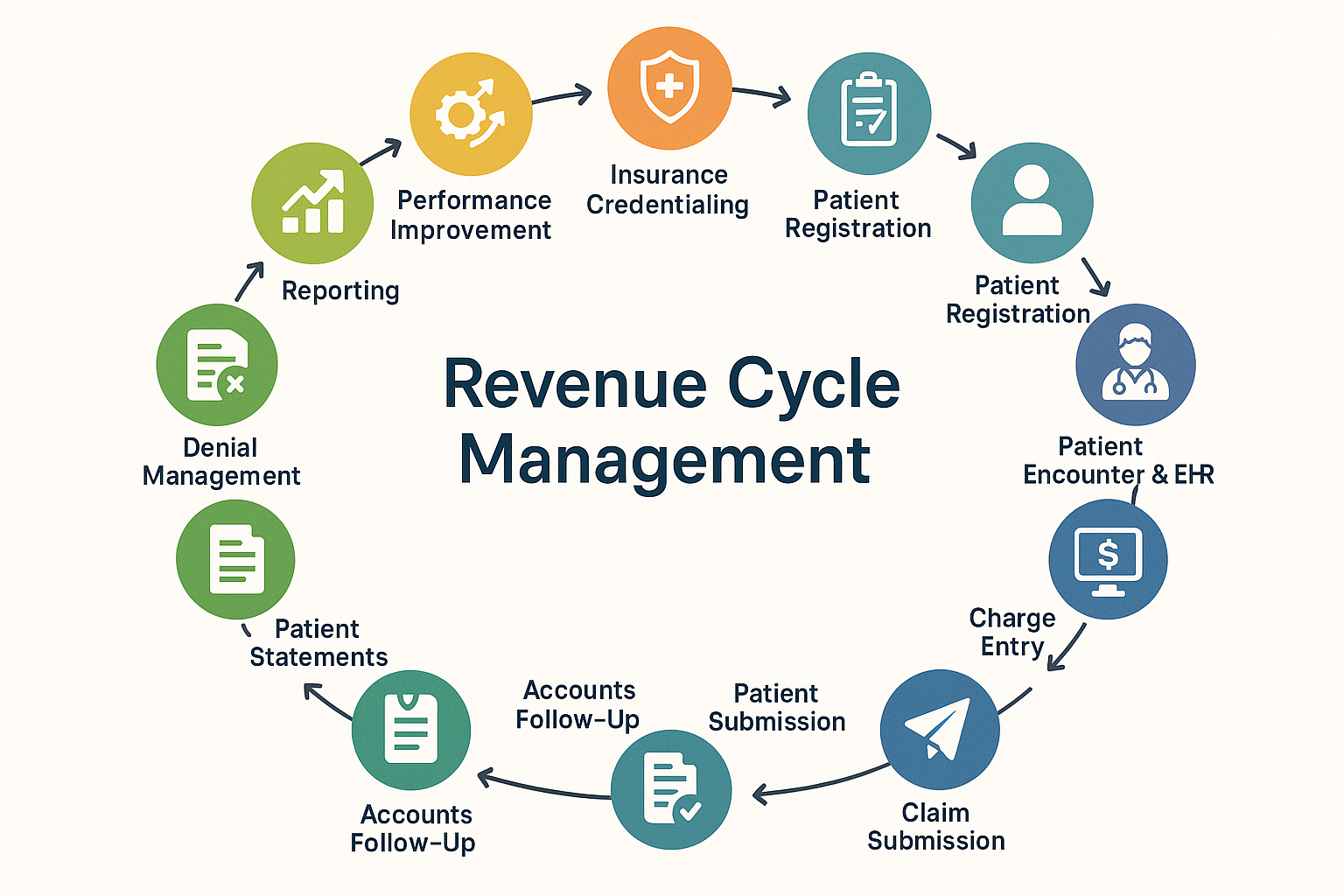
The acquisition of CaduceusHealth represents the fifth such expansion for Innovaccer, a company that has spent the last decade building a presence in the healthcare data infrastructure space. Founded in 2014, the firm has focused on aggregating clinical, operational, and financial data to support diverse stakeholders, including health systems, payers, and government agencies. With this latest transaction, the company is positioning its “Flow” suite to act as an end-to-end platform capable of managing the full spectrum of the revenue cycle.
Industry observers have long noted that independent practices—ranging from primary care clinics to specialty groups—face significant hurdles in maintaining financial health. These challenges are often compounded by the high volume of claims denials, which require substantial time and resources to manage. By automating these processes through an agentic AI architecture, the objective is to reduce the “administrative drag” that currently hampers productivity in many ambulatory settings. This strategy aligns with the company’s broader 2026 vision of providing an “Agentic Cloud for Healthcare,” which seeks to fill the gap between the administrative work required and the available workforce.
The Evolution of Healthcare Data Infrastructure
Innovaccer’s trajectory reflects a broader shift within the health information technology sector. Over the past ten years, the company has progressed through three distinct phases: first, by establishing data connectivity across electronic health record (EHR) platforms and pharmacy networks; second, by building applications to interpret that data; and third, by transitioning toward autonomous AI agents. This evolution is a direct response to the structural labor shortages that have become a hallmark of the modern healthcare environment.

The integration of CaduceusHealth, which has operated in the billing and claims space since 1997, provides a deep well of domain expertise. By combining this legacy knowledge with contemporary AI capabilities, the platform is designed to unify scheduling, patient engagement, and financial management into a single, cohesive interface. This unification is intended to help providers navigate the complexities of modern billing, ensuring that claims are processed with greater efficiency and fewer manual interventions.
Key Considerations for Healthcare Providers
- End-to-End Integration: The expanded Flow suite aims to consolidate previously fragmented administrative tasks into a single operating layer.
- Autonomous Denial Resolution: By utilizing AI agents, the platform seeks to minimize the frequency of avoidable claim denials and streamline the submission process.
- Focus on Ambulatory Care: The solution is specifically tailored to meet the needs of primary care, specialty, and multispecialty groups that often lack the resources of larger hospital systems.
- Strategic Alignment: This acquisition is part of a larger, long-term strategy to provide comprehensive AI-native infrastructure for the healthcare industry.
Looking Ahead: The Role of AI in Financial Sustainability
The financial sustainability of medical practices remains a critical concern for policymakers and providers alike. As the healthcare system continues to modernize, the implementation of AI-driven tools will likely play a central role in how practices manage their operational viability. Innovaccer’s recent expansion is indicative of the growing trend toward “agentic” systems—AI tools that do not merely suggest actions but can autonomously execute complex administrative workflows.
While the adoption of such technology is still in its relative infancy, the industry is closely watching how these platforms perform in real-world clinical environments. The success of this integration will depend on the ability of these AI agents to navigate the highly variable requirements of different specialties and diverse electronic health record systems. For now, the healthcare technology community remains focused on the potential for these tools to alleviate the administrative burden on clinicians, ultimately allowing for a greater focus on patient outcomes and the quality of care delivered.
As we move further into the second half of 2026, the industry awaits further updates on the rollout of the integrated Flow suite and its impact on revenue cycle efficiency. Readers interested in following the progress of these technological shifts can monitor official company announcements and industry reports for updates on platform performance and future developments.
What are your thoughts on the role of autonomous AI in managing the administrative complexities of modern medical practices? Share your perspectives in the comments section below.
Related reading