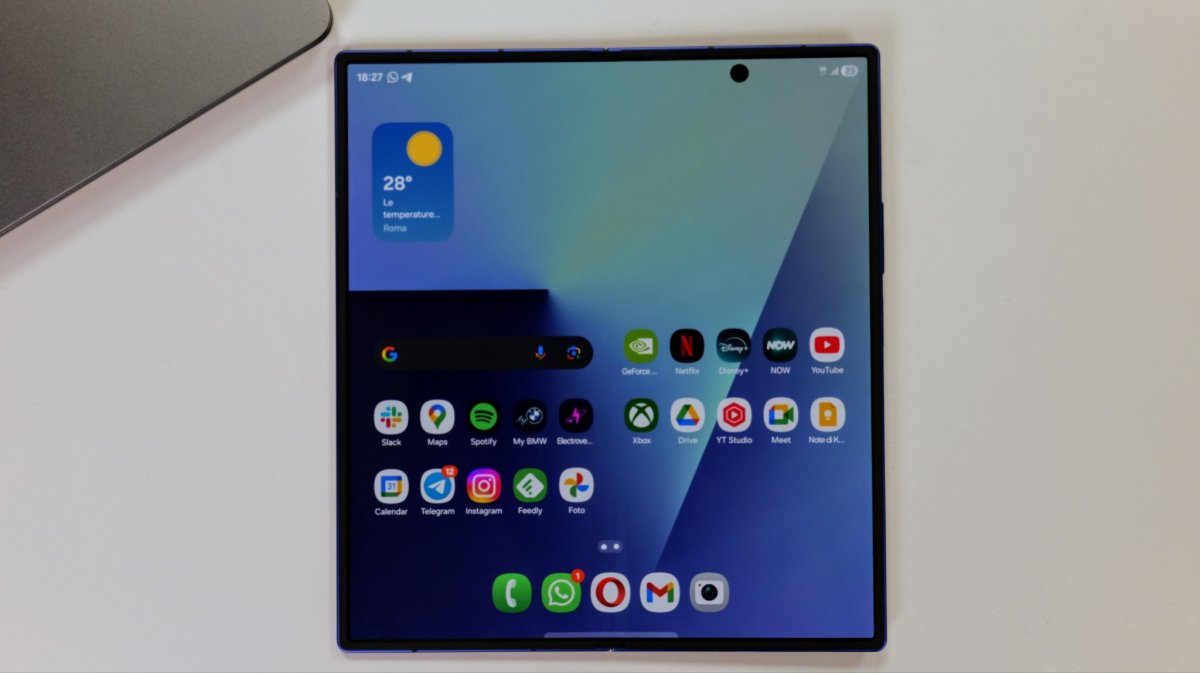
In the rapidly shifting landscape of consumer electronics, the pursuit of the “bezel-less” smartphone remains a primary objective for industry titans. As manufacturers look toward the next generation of mobile design, reports suggest that Samsung is exploring advanced display technologies, including curved 3D glass configurations, to maintain its competitive edge in the global market. These innovations are part of a broader industry trend toward maximizing screen-to-body ratios, a development that continues to define the hardware roadmap for major players like Samsung Electronics.
As a technology editor who has followed the evolution of mobile displays from the early days of flat LCD panels to today’s sophisticated OLED architectures, I find these developments particularly compelling. The challenge for engineers is no longer just about resolution or color accuracy; This proves about the physical interaction between the user and the device. Samsung, having established itself as a leader in display manufacturing, remains at the forefront of these structural experiments.
The Evolution of Display Geometry
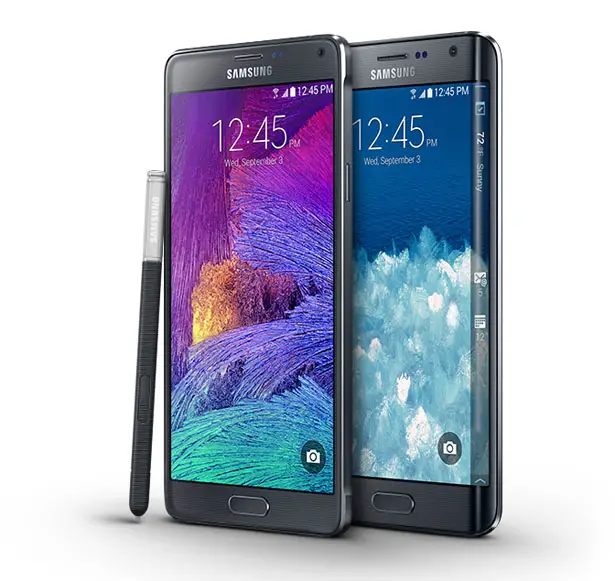
The concept of a “quad-curved” display—where the glass wraps symmetrically around all four edges of the device—represents a significant engineering hurdle. Achieving this requires not only advancements in glass tempering and cutting but also sophisticated solutions for touch sensitivity and accidental input rejection. Samsung’s history of innovation in this space is well-documented; the company was a pioneer in bringing curved edge displays to the mass market with the Galaxy Note Edge in 2014, a move that fundamentally altered the aesthetics of modern smartphones.
Current research efforts are focused on refining these curves to be more ergonomic and durable. According to Samsung’s official product updates, the company continues to invest heavily in its mobile electronics division, which remains a cornerstone of its business model. While specific internal prototypes regarding future 3D-curved glass designs are rarely disclosed ahead of product launches, the company’s patent filings and R&D investments consistently point toward a future where the distinction between the screen and the frame is further minimized.
Market Context and Industry Standards
Samsung’s status as a global leader is supported by its broad reach. As noted in publicly available corporate records, the organization operates as a massive conglomerate with a significant footprint in the electronics sector. The competitive pressure to innovate is immense, particularly as the industry looks toward the latter half of the decade. Analysts and industry observers frequently point to the “celebratory” or “anniversary” hardware cycles of rival firms as catalysts for major design shifts, though Samsung’s own release cadence is driven by its internal assessment of consumer readiness and manufacturing yield.
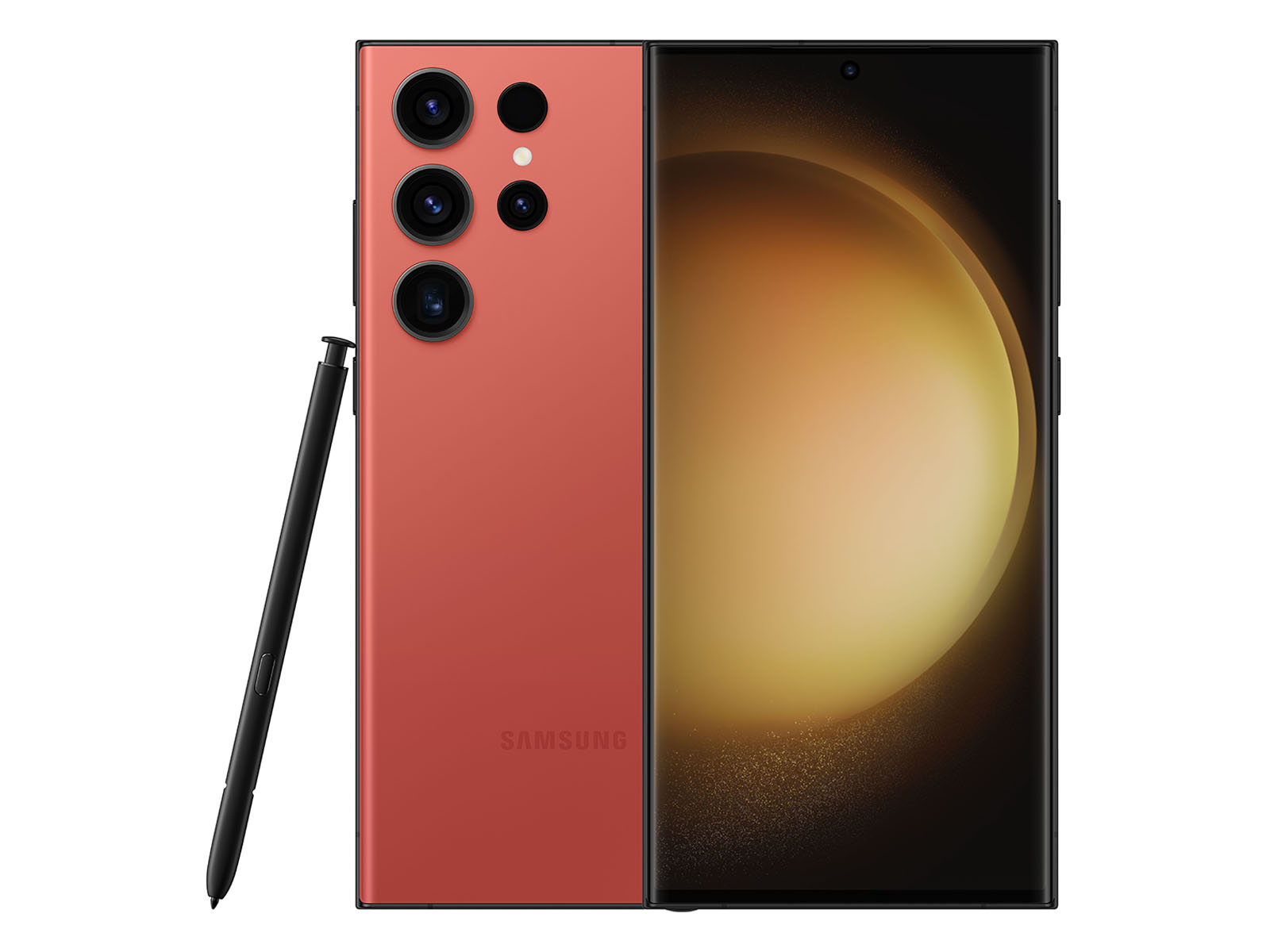
It is important to distinguish between industry rumors and confirmed product roadmaps. While the prospect of a quad-curved device is an exciting evolution for tech enthusiasts, the practical implementation must account for the realities of daily use, such as device protection, case compatibility, and the structural integrity of the glass. Samsung’s engineering teams have traditionally prioritized a balance between form and function, ensuring that aesthetic leaps do not compromise the durability expected of their flagship devices.
What Lies Ahead for Mobile Design
Looking toward the coming years, People can expect the integration of more advanced materials and display technologies. Whether it is through the refinement of foldable panels or the introduction of new curved glass techniques, the goal remains the same: to provide an immersive experience that feels natural in the hand. As we move closer to 2027 and beyond, the industry will likely see a convergence of these ideas, with manufacturers striving to deliver hardware that feels both futuristic and fundamentally reliable.
For those tracking these developments, the most reliable information will continue to come from official company announcements and Samsung’s verified newsroom. As always, the transition from an experimental concept to a consumer-ready product is a rigorous process that involves extensive testing and quality assurance.
Staying Informed
The tech industry moves quickly, and design trends are often subject to change based on supply chain realities and consumer feedback. I will continue to monitor these developments as more concrete information regarding future hardware designs becomes available. If you have thoughts on the direction of smartphone design or questions about the evolution of display technology, please feel free to share your insights in the comments section below. We will provide updates as soon as official disclosures regarding new device architectures are made by the industry leaders.
- iPhone 20 Series Rumors: Major Redesign, Thinner Frame, and Vapor Chamber Upgrades for 2028
- Snapchat Makeup Tutorial: Areli Orozco’s Eyeshadow POV
- Apple Surpasses $10 Billion in Annual Sales in India (newsdirectory3.com)
- Mark S. Allen Visits Pazzanotte: A New York-Inspired Sacramento Restaurant (news-usa.today)