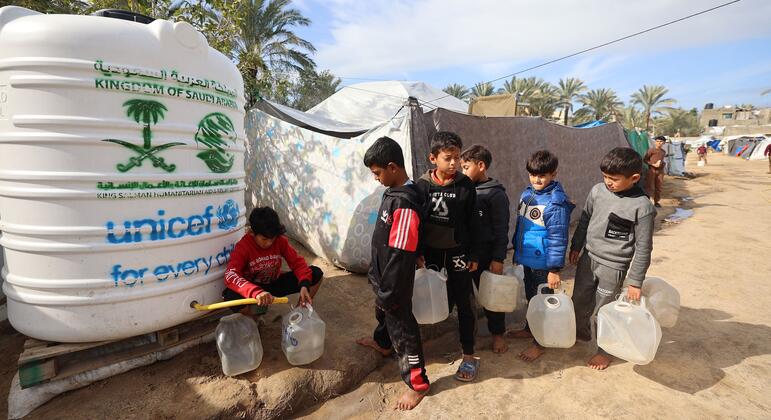
The humanitarian crisis in Gaza continues to deteriorate, with United Nations agencies raising urgent alarms regarding the restricted flow of life-saving medicines and the mounting threat of disease. As the conflict persists, the combination of ongoing violence, crumbling infrastructure, and significant logistical hurdles has created what international observers describe as an increasingly dire environment for the civilian population.
The latest warnings from the UN underscore a multifaceted emergency where the blockage of essential medical supplies is compounding the impact of widespread displacement. With health services operating under extreme duress, the risk of infectious disease outbreaks has become a primary concern for international aid organizations working on the ground.
The Impact of Medical Supply Constraints
Access to healthcare in Gaza remains severely constrained, a situation exacerbated by ongoing difficulties in delivering medical equipment, pharmaceuticals, and sanitation supplies. According to the World Health Organization (WHO), the persistence of these blockages prevents the replenishment of stocks required for emergency care and the management of chronic conditions. The inability to consistently move supplies across borders means that hospitals and clinics are frequently forced to operate with depleted resources, limiting their capacity to address both trauma injuries and preventable illnesses.
This supply chain instability is occurring against a backdrop of prolonged hostilities. The United Nations Office for the Coordination of Humanitarian Affairs (OCHA) has reported that the degradation of basic services—including water and waste management—has created conditions conducive to the spread of disease. The lack of clean water and the accumulation of waste are noted as significant factors in the increased risk of health complications among displaced populations living in overcrowded conditions.
Public Health Risks and Environmental Factors
Beyond the immediate trauma caused by the violence, health agencies are monitoring the secondary health effects of the environmental collapse in Gaza. Reports from international monitors have highlighted that poor sanitation and the disruption of waste collection services have led to sanitation crises, which in turn increase the prevalence of infectious diseases. The accumulation of refuse in residential areas has prompted concerns about rodent infestations, which are known vectors for various health hazards in high-density, resource-poor settings.
The United Nations Children’s Fund (UNICEF) has emphasized that children remain particularly vulnerable to these conditions. Malnutrition, combined with the lack of access to clean water and adequate medical care, creates a compounding effect on physical development, and immunity. Health officials continue to call for the establishment of secure, reliable corridors to ensure that medical and humanitarian aid can reach those in need without further delay or interruption.
Humanitarian Coordination and Future Outlook
The international community remains focused on the urgent need to address the humanitarian shortfall. Efforts to coordinate aid delivery involve complex negotiations to ensure the safety of humanitarian personnel and the efficacy of the supply routes. As of May 2026, the United Nations Security Council continues to debate the future of humanitarian access in the region, reflecting the ongoing diplomatic efforts to mitigate the suffering of civilians.
The situation remains fluid, with daily reports from the ground providing updated assessments of the health landscape. The primary challenge for humanitarian agencies is the transition from emergency response to a more sustainable model of service delivery, a goal that remains elusive as long as the underlying conflict continues to disrupt infrastructure and restrict the movement of personnel and goods.
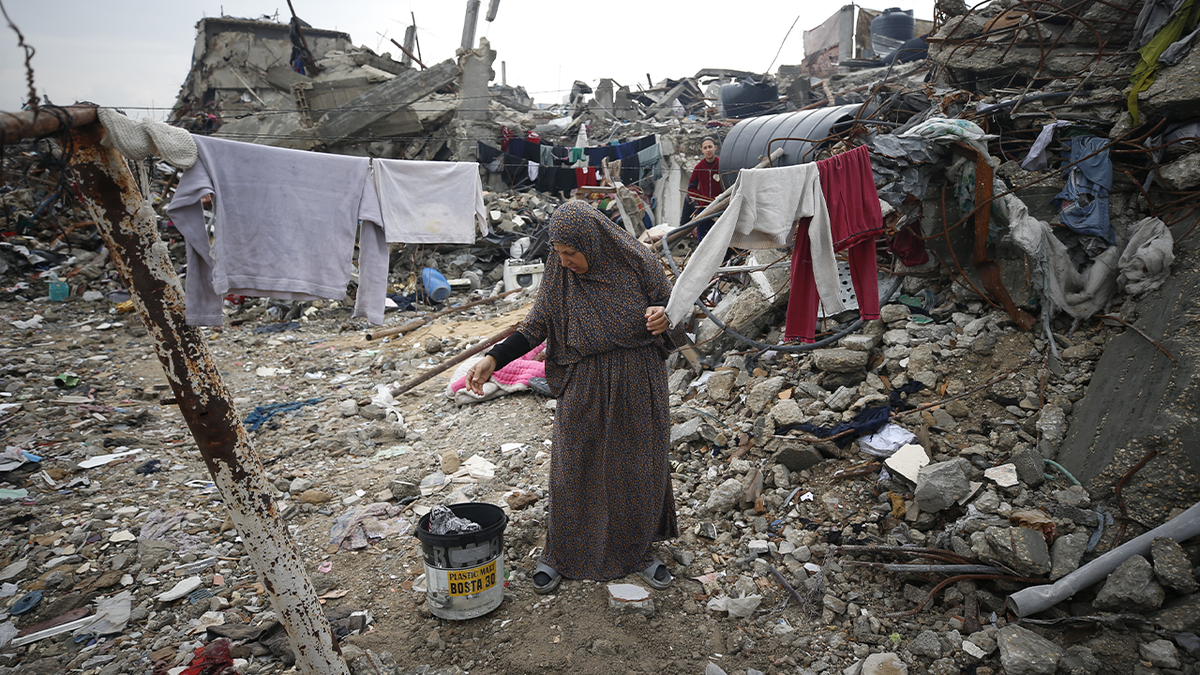
Readers seeking the most recent information regarding humanitarian aid status, safety advisories, and official reports are encouraged to monitor the UN News portal for regular updates. As the situation evolves, the focus of international aid organizations remains on the immediate delivery of medical supplies and the containment of health risks to prevent a further escalation of the crisis.
Here’s a developing situation. We will continue to provide updates as new information becomes available from verified international channels. Please share your thoughts or questions in the comments section below.