
The global financial landscape underwent a seismic shift on August 15, 1971, when President Richard M. Nixon announced his New Economic Policy. This pivotal moment, often referred to by economic historians as the “Nixon shock,” fundamentally altered the trajectory of international monetary relations by ending the direct convertibility of the U.S. Dollar to gold. For decades, the global economy had relied on this convertibility to anchor the value of currencies, a structure established in the aftermath of World War II that defined the Bretton Woods system.
As we examine the legacy of the U.S. Dollar’s transition to a fiat currency, it is essential to understand the structural pressures that necessitated such a dramatic policy reversal. By the late 1960s, the United States faced an increasingly difficult international dilemma: the need to maintain confidence in the dollar’s gold backing while contending with rising domestic inflation and a significant trade imbalance. The resulting shift not only dismantled the existing monetary order but also cemented the dollar’s role as the primary reserve currency in a new, floating-rate environment.
The Collapse of the Bretton Woods System
The Bretton Woods agreement, signed in 1944 by forty-four nations in Bretton Woods, New Hampshire, served as the bedrock of global financial stability for over two decades. Under this arrangement, member countries agreed to keep their currencies fixed in relation to the U.S. Dollar, while the dollar itself was pegged to gold at a rate of $35 per ounce. According to the U.S. Department of State’s historical records, the United States was responsible for maintaining this fixed price by adjusting the supply of dollars to ensure global confidence in future gold convertibility.
However, the system began to show signs of strain by the 1960s. As European and Japanese economies recovered and became more competitive in global export markets, the demand for U.S. Goods slowed. Simultaneously, substantial U.S. Expenditures—including foreign aid, military spending, and international investments—led to a surplus of dollars circulating abroad. As foreign exchange traders began to suspect that the U.S. Government would eventually be forced to devalue the dollar due to its overvaluation, they became increasingly inclined to sell their dollar holdings, leading to periodic runs on the U.S. Gold reserves.
Addressing Domestic Inflation and Global Imbalances
President Nixon’s decision to implement wage and price controls alongside the suspension of gold convertibility was intended to act as a temporary measure to curb inflation and restore domestic economic stability. The policy was framed as a program “to create a new prosperity without war.” Prior to this, administrations under Presidents John F. Kennedy and Lyndon B. Johnson had attempted various interventions, such as foreign investment disincentives and restrictions on lending, to preserve the Bretton Woods system, yet these measures ultimately proved insufficient to stem the outflow of dollars.

The suspension of the gold standard marked the definitive end of the postwar monetary framework. It signaled a shift toward a system where currency values were no longer tied to a physical commodity, but rather determined by market forces and the fiscal policies of sovereign nations. This transition remains one of the most significant events in 20th-century economic history, demonstrating the challenges of maintaining a fixed-exchange-rate system in an era of expanding global trade and shifting economic power.
Key Takeaways: The Nixon Shock
- The Event: On August 15, 1971, President Richard M. Nixon announced the end of the dollar’s convertibility to gold.
- The Precedent: The Bretton Woods system, established in 1944, had previously fixed the dollar at $35 per ounce of gold.
- The Catalyst: A combination of rising domestic inflation, military spending, and foreign investment created an oversupply of dollars that exceeded U.S. Gold reserves.
- The Outcome: The move effectively dissolved the Bretton Woods system, leading to the modern era of floating exchange rates.
Looking Ahead: The Dollar’s Enduring Role
While the 1971 policy change was initially conceived as a temporary intervention, it proved to be a permanent transformation. The U.S. Dollar transitioned into a fiat currency, maintaining its status as the world’s dominant reserve currency through the stability of the U.S. Economy and the depth of its financial markets. Today, economists and policymakers continue to analyze the implications of this shift, as the world navigates contemporary challenges in monetary policy, inflation, and international trade.
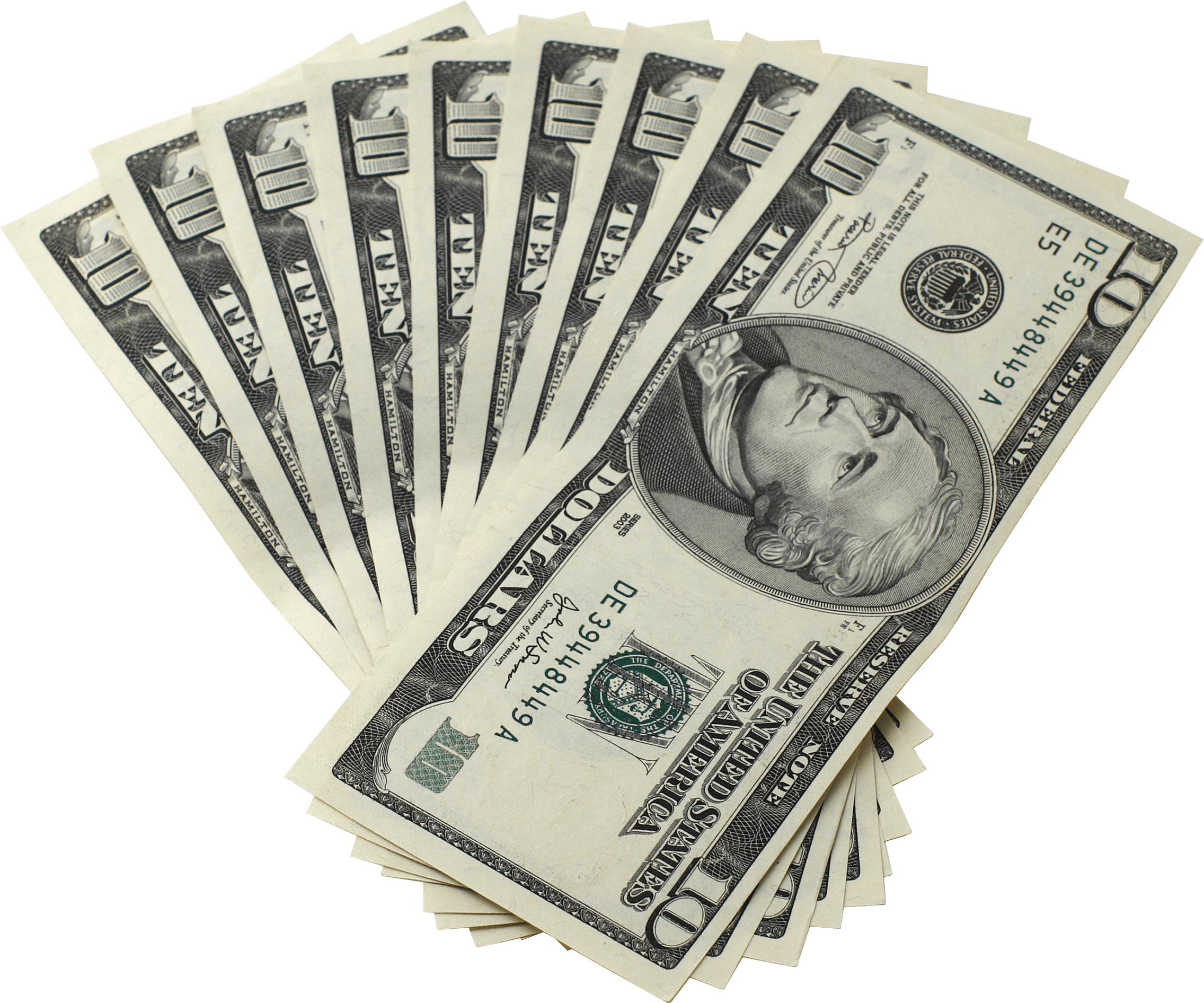
For those interested in further research regarding the historical archives of this era, the Federal Reserve History portal offers detailed essays on the evolution of U.S. Economic policy. We encourage our readers to share their perspectives on how the 1971 shift continues to influence modern currency dynamics in the comments section below.
Keep reading