
SpaceX, the aerospace firm founded by Elon Musk, continues to navigate the complexities of its ambitious deep-space exploration agenda as it prepares for the maiden flight of its latest hardware. The company is currently targeting a launch for its Starship V3 megarocket, a critical step in the firm’s broader strategy to advance human spaceflight and support lunar mission goals. This highly anticipated test flight follows a series of technical challenges that necessitated a delay from earlier scheduled windows.
The development of the Starship V3 represents a significant milestone for the Starbase facility in South Texas, which serves as the primary hub for the company’s rocket and spacecraft manufacturing. As SpaceX continues to refine its reusable launch vehicle technology, the industry remains focused on how these operational hurdles affect the broader timeline for NASA’s lunar ambitions and the company’s own satellite constellation objectives. According to recent official company updates, the focus remains on ensuring the structural and technical integrity of the vehicle before attempting a full-scale launch.
Engineering Challenges and Technical Delays
The path to the launchpad for the Starship V3 has been marked by the rigorous testing standards inherent in aerospace engineering. Technical issues, which are common in the development of experimental heavy-lift vehicles, forced the company to scrub planned launch attempts earlier this week. SpaceX has maintained a transparent approach regarding these operational stand-downs, emphasizing that safety and system verification are paramount before the Starship and Super Heavy booster are cleared for flight.
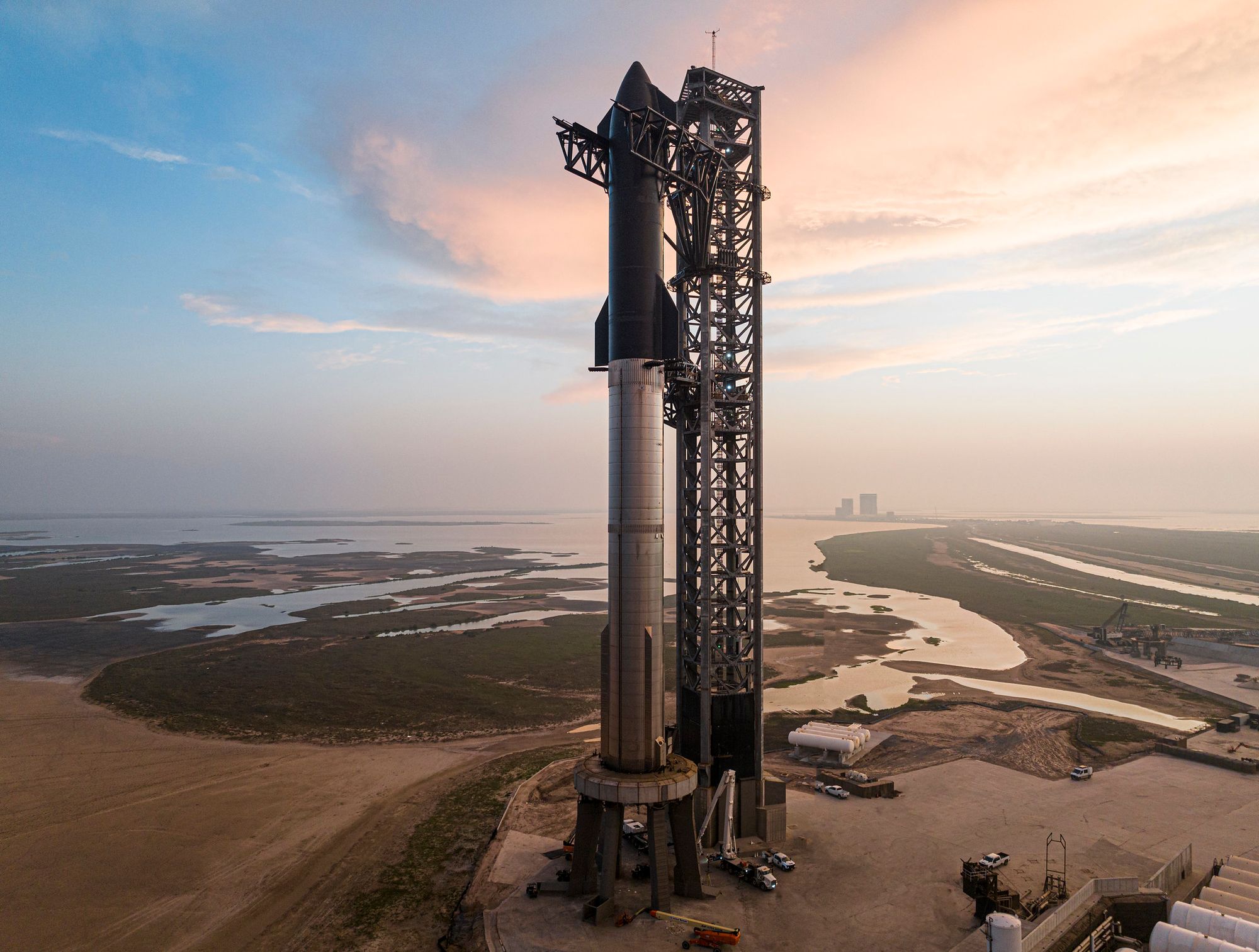
These delays are not merely logistical; they reflect the immense pressure on SpaceX to maintain its cadence of development. With the company’s total assets valued at approximately $92.1 billion as of 2025, the stakes for each test flight are substantial. The integration of the V3 design, which aims to improve upon the capabilities of previous iterations, requires precise calibration of propulsion systems and ground support equipment at the Starbase launch site.
Strategic Importance of the Starship V3
The Starship V3 is designed to be a cornerstone of SpaceX’s future, serving as the primary vehicle for both orbital transport and potential interplanetary travel. Its role in supporting NASA’s lunar exploration programs makes its performance a matter of international interest. The ability to successfully launch, maneuver and recover this vehicle is essential for the company to meet its contractual obligations and long-term vision of enabling human presence on other planets.
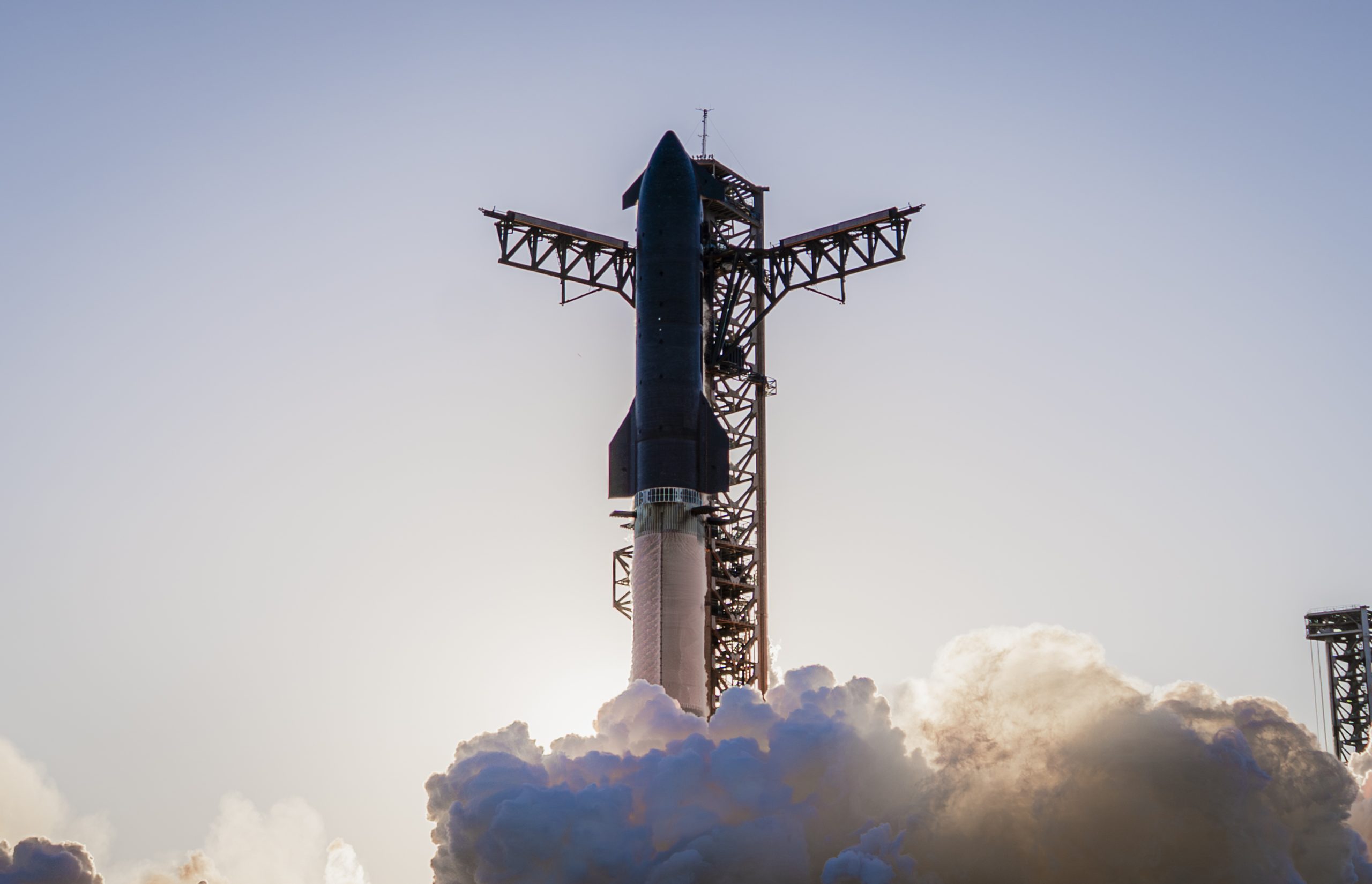
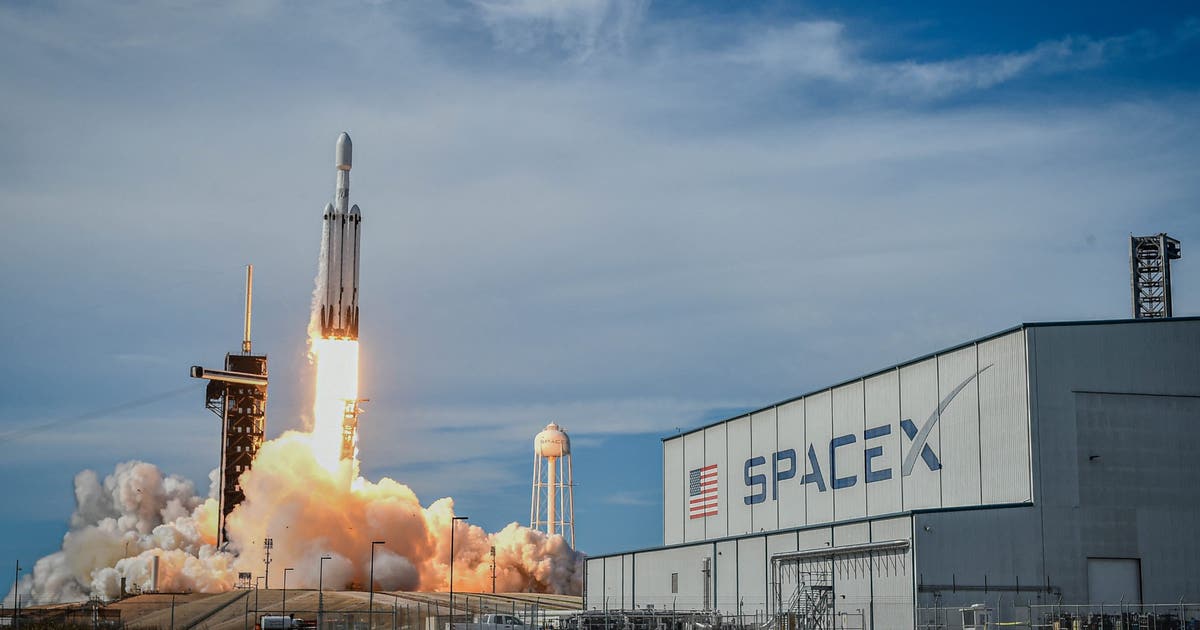
Beyond the technical specifications, the program serves as a barometer for the health of the private space sector. Despite the net losses reported in 2025, investor confidence remains tied to the company’s ability to demonstrate the viability of its Starship platform. The successful deployment of satellite constellations, such as those launched recently via the Falcon 9, underscores the company’s operational success in other divisions, even as the Starship program faces its own unique set of developmental challenges.
Safety and Operational Oversight
Operations at the Starbase facility have been under increased scrutiny, particularly following reports of a workplace fatality at the site on May 15, 2026. Such incidents highlight the inherent risks associated with high-stakes aerospace manufacturing and the demanding environment of a launch site. SpaceX has not provided extensive public commentary on the investigation, but the company’s commitment to safety protocols remains a central component of its public and regulatory responsibilities.
The company continues to balance the rapid iteration of its rocket designs with the necessity of maintaining a safe working environment for its 13,000-plus workforce. As the industry watches for the next launch window, the focus remains on how the company addresses both the technical requirements of the V3 megarocket and the operational safety standards required for large-scale aerospace activities.
Looking Ahead: The Path to Launch
While the exact timing of the Starship V3 debut remains fluid, the aerospace community is closely monitoring official SpaceX communication channels for updates on the next launch window. The company typically provides notifications regarding flight readiness and range safety status in the hours leading up to a launch attempt. For stakeholders and space enthusiasts alike, these updates provide the most accurate information regarding the status of the flight.
As we move forward, the successful flight of the V3 will be a defining moment for SpaceX. Whether it marks the beginning of a new era of lunar and interplanetary access or necessitates further design refinements, the mission remains a critical indicator of the company’s trajectory. We encourage our readers to stay tuned to our business desk for ongoing analysis of the financial and technical implications of these developments. Please share your thoughts on the future of private space exploration in the comments section below.