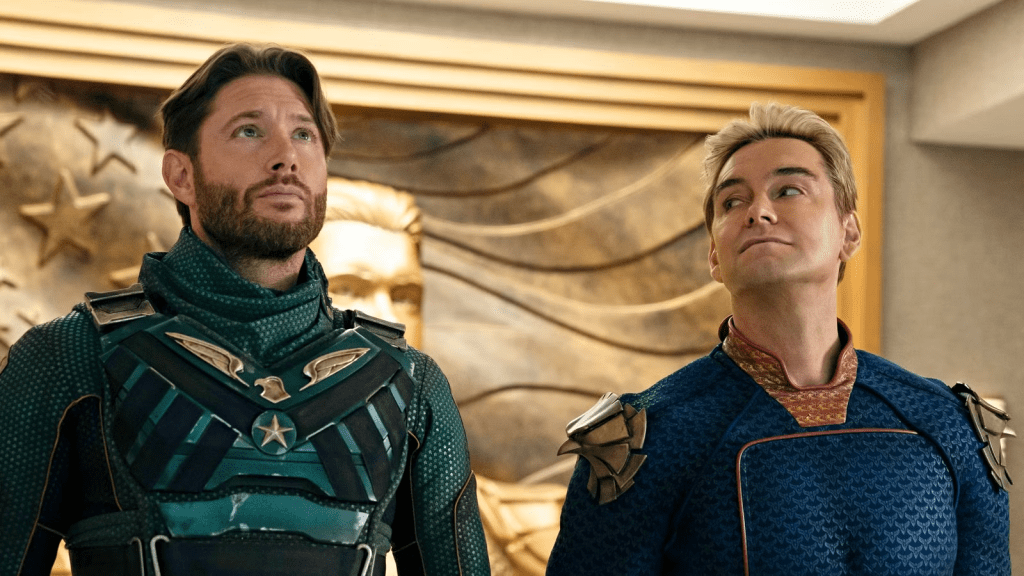
After five seasons of subverting the superhero genre, the curtain has officially fallen on The Boys. Developed by Eric Kripke for Amazon Prime Video and based on the comic book series by Garth Ennis and Darick Robertson, the satirical drama concluded its run in 2026, leaving fans to grapple with a finale that aimed to resolve the escalating conflict between Billy Butcher’s vigilante group and the corporate-backed superheroes of Vought International. As the series reaches its end, the final eight-episode season serves as the definitive conclusion to the story of a world where those with powers are often the most dangerous individuals in society.
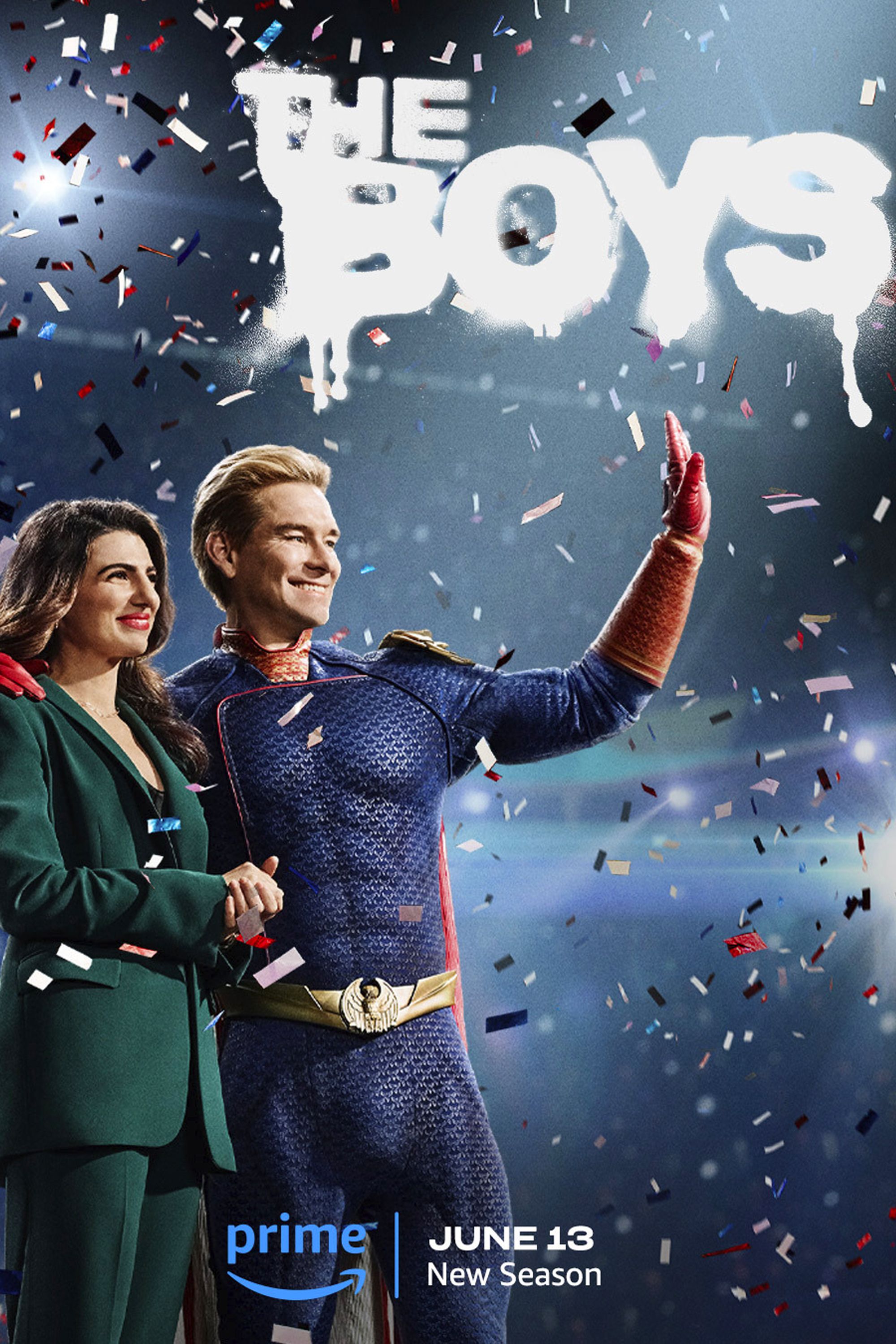
The series, which premiered in 2019, has long been recognized for its dark humor and political commentary, often mirroring real-world anxieties through the lens of its “supe” protagonists, and antagonists. With the conclusion of the fifth season, the narrative arc that saw Homelander—portrayed by Antony Starr—tighten his grip on American society has reached its final destination. While critics and audiences have debated the pacing and tonal shifts in the show’s later years, the final season represents the culmination of a multi-year creative endeavor that spanned 40 episodes across five seasons. According to official data from Amazon Prime Video, the series remains one of the platform’s most prominent original productions, consistently ranking among its trending titles during release windows.
The following embed provides a glimpse into the final season’s narrative landscape:
A Final Reckoning in the Vought Universe
The fifth season of The Boys dealt primarily with the fallout of the power struggle between the central cast, including Karl Urban’s Billy Butcher and Jack Quaid’s Hughie Campbell, and the increasingly unstable Homelander. A recurring theme throughout the series—and particularly in its final chapters—was the exploration of how unchecked power and corporate influence shape societal norms. The show’s depiction of “Freedom Camps” and the influence of Vought News, as highlighted in the Season 5 promotional materials, underscored its commitment to extreme political satire. This approach, while polarizing, remained a hallmark of the series until its final frame.

One of the most discussed aspects of the final season was the resolution of character arcs that had been developing since the show’s inception. The narrative choices regarding the fates of key members of The Seven, as well as the conclusion of Butcher’s long-standing quest for vengeance, were designed to provide a sense of finality. While the show utilized elements of dark comedy and high-stakes action, the finale focused on the consequences of the characters’ past decisions. The inclusion of characters from the spin-off series Gen V also served to bridge the gap between the flagship show and the broader fictional universe managed by Amazon MGM Studios.
Legacy and Future of the Franchise
As The Boys concludes, the conversation among fans has shifted toward the future of the franchise. While the primary story of Billy Butcher and Homelander has concluded, the universe is set to expand further. The production of the prequel series Vought Rising, which is expected to debut in 2027, has already been confirmed as the next major project for the franchise, keeping the intellectual property active within the Amazon ecosystem. This transition highlights the studio’s strategy of building sustained interest in the The Boys brand beyond the original series’ lifespan.
For viewers reflecting on the series as a whole, the show’s legacy is defined by its willingness to challenge the traditional tropes of the superhero genre. By focusing on the intersection of media, politics, and celebrity culture, it provided a distinct alternative to more conventional comic book adaptations. Whether through its sharp dialogue or its often-violent action sequences, the show maintained a consistent, albeit intense, identity throughout its 40-episode run.
Key Takeaways from the Series Finale
- Narrative Conclusion: The fifth season marks the end of the core conflict between The Boys and Vought International, effectively closing the central story arc of the show.
- Universe Expansion: Despite the conclusion of the main series, the franchise continues with the development of the prequel project Vought Rising.
- Production Scope: The series completed a total of 40 episodes, maintaining a consistent production team led by Eric Kripke since its debut in 2019.
- Critical and Audience Reception: The show’s trajectory remained a subject of intense discussion among fans, with the final season serving as the ultimate test of the show’s ability to stick the landing.
As of May 2026, the complete series is available for streaming on Amazon Prime Video. Fans looking for updates regarding future franchise entries, such as Vought Rising, can monitor official announcements from the studio’s media portal. We invite our readers to share their thoughts on the series finale—did the conclusion meet your expectations for the characters, or were there plot points you hoped would be handled differently? Join the conversation in the comments section below.
Related reading
- Denise Richards’ Unrecognizable New Look After Plastic Surgery
- G-BA Drug Decisions: What 74 Million Insured Germans Need to Know About Prescriptions
- House of the Dragon Season 3: Episode 7 Review and Finale Teasers (world-today-news.com)
- House of the Dragon Season 3: Episode 7 Review and Finale Teasers (news-usa.today)