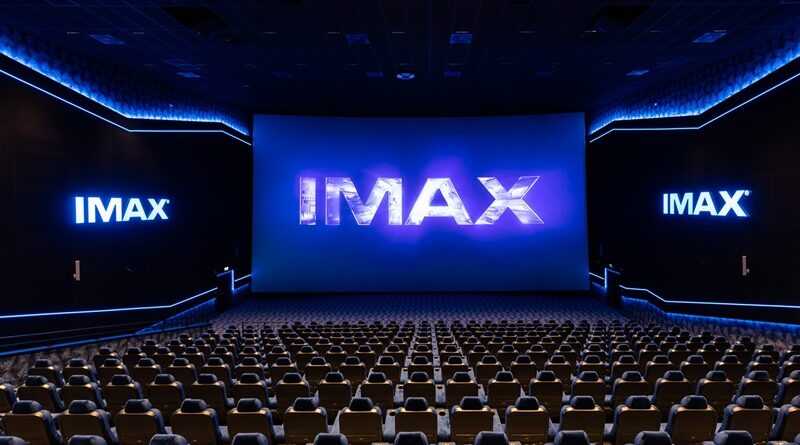
The landscape of premium cinema exhibition is facing potential shifts as industry observers monitor the strategic maneuvers of IMAX Corporation. As high-end theater experiences continue to evolve in a competitive media environment, reports regarding the company’s exploration of a potential sale have generated significant discussion among analysts tracking the entertainment technology sector.
IMAX, known for its proprietary high-resolution cameras, specialized film formats, and large-screen projection systems, has long maintained a distinct position in the global film market. Founded in Canada in the late 1960s by Graeme Ferguson, Roman Kroitor, Robert Kerr, and William C. Shaw, the company transformed how audiences engage with blockbuster content through its signature 15/70 film format and expansive display technology. Today, the corporation operates a complex network of purpose-built theaters, including dome installations and premium large-format screens that utilize advanced dual laser projection systems to deliver immersive experiences.
Understanding the Premium Large Format Market
The core of the IMAX business model relies on the integration of proprietary technology and strategic partnerships with major studios and exhibitors. By focusing on high-quality, high-impact cinematic presentations, the company has carved out a niche that emphasizes scale and technical precision, often utilizing aspect ratios such as 1.43:1 and 1.90:1 to distinguish its theaters from standard multiplexes. This focus on premium exhibition has necessitated significant capital investment in construction and maintenance, leading the company to navigate various financial and operational models over its decades-long history.
In the current fiscal climate, the value of specialized exhibition platforms is often tied to the cyclical nature of film releases and the ability to attract audiences to the theater. With the industry shifting toward a mix of digital content delivery and high-end theatrical windows, companies like IMAX are frequently analyzed for their potential as acquisition targets by larger media conglomerates seeking to secure premium distribution channels. Such interest highlights the ongoing importance of the theatrical experience in the broader entertainment ecosystem, even as streaming services continue to expand their reach.
Strategic Considerations for Entertainment Conglomerates
For potential suitors in the entertainment sector, the appeal of an organization like IMAX lies in its brand identity and its established infrastructure for tentpole film releases. The company’s influence extends beyond mere hardware; it represents a distribution strategy that can significantly enhance the box office performance of major studio titles. Any potential transaction involving such a specialized entity would require careful consideration of existing long-term contracts, technological licensing agreements, and the global footprint of its theater network.
Investors and industry stakeholders typically evaluate these developments through the lens of market consolidation. As production houses seek to vertically integrate their operations, owning the means of distribution—particularly the most desirable screens in key markets—becomes a focal point for long-term growth strategies. While the company has not issued a formal confirmation regarding a definitive sale process, the speculation underscores the high stakes involved in maintaining a competitive edge in the theatrical exhibition market.
The Evolution of Cinema Technology
The technical standards developed by the company remain a benchmark for the industry. The transition from traditional film-based formats to modern digital laser projection has allowed for greater flexibility in content programming. This technical evolution is critical for maintaining the relevance of the “premium” label, as audiences increasingly expect high-definition, immersive environments when choosing to leave home for a film. The ability to deploy these systems globally remains a key competitive advantage for the corporation, providing a level of consistency that is difficult to replicate.

As of May 2026, the company continues its operations, maintaining its role as a key player in film exhibition technology. Readers interested in the latest official updates regarding corporate strategy, investor relations, and financial performance should monitor the official IMAX investor relations portal for verified filings and press releases. Maintaining awareness of these official channels is the most reliable way to track the company’s trajectory in the coming months.
Key Takeaways for Stakeholders
- Technological Foundation: IMAX remains a leader in proprietary high-resolution projection and large-format screen technology, originally established to provide a more immersive audience experience.
- Market Positioning: The company’s focus on premium exhibition serves as a vital distribution layer for major studio content, influencing box office potential for global releases.
- Corporate Strategy: Strategic interest from the entertainment sector reflects the ongoing value of physical theater assets and high-end exhibition capabilities within a digital-forward media landscape.
- Information Integrity: Investors should rely exclusively on official corporate communications and regulatory filings for accurate information regarding potential mergers, acquisitions, or shifts in business structure.
As the situation develops, we will continue to monitor official reports and regulatory disclosures to provide our readers with accurate, verified information. We invite our audience to engage with this topic in the comments section below and share their perspectives on the future of the premium theatrical experience.
- La marca del jaguar. El despertar del fuego: An Animated Film 20 Years in the Making
- Van Life Influencer Joe Felz Dead at 40: Girlfriend Shares Emotional Statement
- Dow Jumps 1,000 Points as Bessent Hints at Potential Iran Shipping Deal (time.news)
- Qatar says drafts of potential US-Iran agreement are circulating (archyde.com)