As the landscape of portable computing shifts toward integrated artificial intelligence, the hardware market is responding with high-performance machines designed to handle complex local workloads. Among the latest entries in this category is the Microsoft Surface Pro 11, a device that marks a significant transition for the company’s flagship convertible line, particularly with its adoption of the “Copilot+ PC” designation. For consumers monitoring the premium laptop segment, current promotional pricing has brought this hardware into a more accessible range.
The Surface Pro 11 represents a departure from traditional x86-based architectures by utilizing ARM-based silicon, specifically the Snapdragon X series processors developed by Qualcomm. According to official Microsoft documentation, these units are engineered to meet strict performance and efficiency benchmarks, enabling the local execution of AI tasks through the integrated Neural Processing Unit (NPU). This shift is central to the “Copilot+ PC” branding, which requires a minimum of 40 TOPS (trillions of operations per second) of NPU performance.
Understanding the Copilot+ PC Shift
The transition to ARM-based processors for the Surface Pro 11 is not merely a change in internal components; it is a fundamental shift in how the operating system interacts with hardware. By leveraging the efficiency of the Snapdragon X Elite and Plus processors, Microsoft aims to provide a balance of battery longevity and responsiveness that competes with the high-end tablet and ultrabook market. The official technical specifications highlight that this architecture allows for a fanless design in certain configurations, alongside significant gains in power management compared to previous Intel-based iterations.

For the average user, In other words that tasks ranging from video conferencing enhancements—such as background blur and eye contact correction—to local text generation are processed on-device rather than relying solely on cloud connectivity. This local processing capability is a key differentiator for the latest generation of Windows devices, ensuring that the hardware remains relevant as software developers continue to integrate AI features into standard productivity applications.
Hardware Performance and Market Positioning
When evaluating the Surface Pro 11, it is essential to consider the display and build quality that have defined the series for over a decade. The device features a 13-inch OLED display option, which provides higher contrast ratios and deeper blacks compared to traditional LCD panels. This display technology is particularly relevant for creative professionals and those who consume high-definition media on the go. The integration of the kickstand, a hallmark of the Surface Pro line, remains unchanged, allowing for a versatile range of viewing angles.
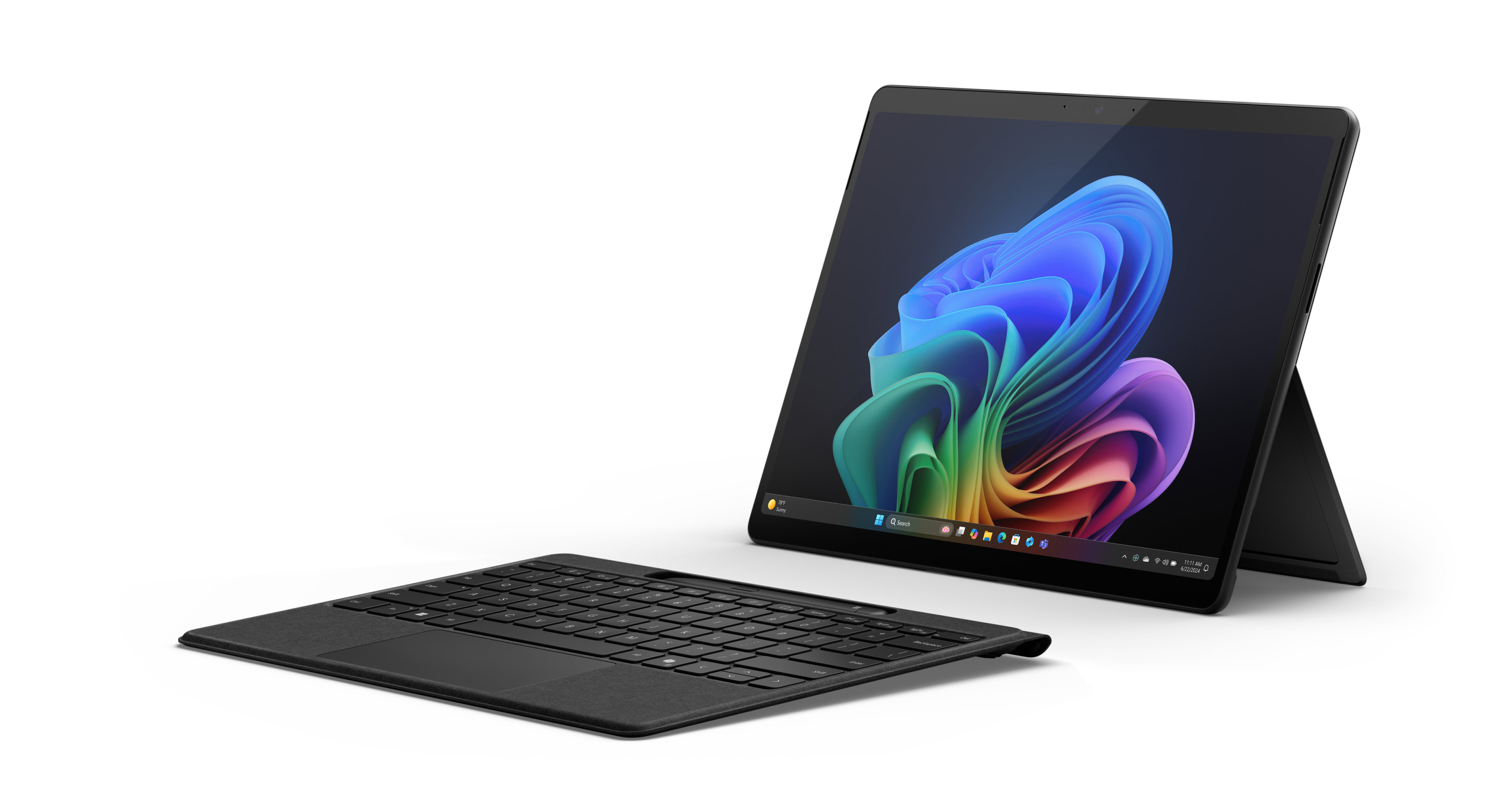
The current market interest in these devices is driven by the bundling of advanced hardware with the Windows 11 ecosystem. As noted by Microsoft’s support resources, the integration of Copilot extends beyond simple hardware acceleration; it includes deep-level OS integration designed to assist with system settings, file management, and creative workflows. However, prospective buyers should note that compatibility with legacy x86 software depends on the Windows on ARM translation layer, which has seen significant improvements in recent iterations but remains a factor for users with highly specialized, older software requirements.
Key Takeaways for Prospective Buyers
- Processor Architecture: The Surface Pro 11 utilizes Qualcomm Snapdragon X series chips, moving away from the Intel processors found in previous generations.
- NPU Requirements: To qualify as a Copilot+ PC, the device includes a dedicated NPU capable of at least 40 TOPS, essential for local AI feature support.
- Display Options: The device is available with an OLED display, offering improved color accuracy and contrast for professional and entertainment use.
- Software Compatibility: While native ARM apps perform efficiently, users should verify compatibility for legacy x86 applications via the Windows emulation layer.
What Happens Next
The technology industry is currently in a phase of rapid adaptation as both hardware manufacturers and software developers align with the requirements of local AI processing. Consumers can expect further updates to the Windows 11 operating system that will likely unlock additional NPU-dependent features throughout the remainder of 2026. As these updates roll out, the value proposition of the current hardware generation will likely depend on how effectively these new software tools integrate into daily workflows.

Microsoft has not announced a specific date for the next hardware refresh in the Surface line, as the current model remains the primary focus of their 2026 mobile computing strategy. Users are encouraged to keep their devices updated via Windows Update to ensure they receive the latest firmware and security patches as they become available. We invite our readers to share their experiences with the new ARM-based Windows experience in the comments section below.