
Remembering Roger Moore: The Legacy of the Man Who Redefined 007 on His 9th Death Anniversary
Today, May 23, 2026, the film community pauses to honor the memory of Sir Roger Moore, the man who brought a unique brand of charm, sophistication, and wit to the world’s most famous secret agent. It has been nine years since the passing of the British actor, whose departure on May 23, 2017, left a profound void in the landscape of classic cinema. While he is most inextricably linked to the 007 franchise, Moore’s career was a tapestry of diverse roles that spanned decades and genres, leaving an indelible mark on the history of entertainment.
As we reflect on his life and career, we look back at a performer who did more than just step into a pre-existing role; he transformed it. Succeeding a legend is one of the most daunting tasks in Hollywood, yet Moore navigated the 007 franchise history with a grace that allowed the character to evolve alongside a changing global audience. From his debut in the early 1970s to his final outing in the mid-1980s, Moore’s tenure defined an entire 007 era.
The Roger Moore James Bond legacy is often discussed in the context of his transition from the gritty, hard-edged portrayals of his predecessors to a more debonair, almost playful interpretation of James Bond. This shift was not merely a stylistic choice but a response to the cultural zeitgeist of the 1970s and 80s, ensuring the character remained relevant in an era of increasingly stylized action cinema.
The Shadow of a Legend: Succeeding Sean Connery
When the news broke that Roger Moore would be the Sean Connery successor, the cinematic world was divided. Connery had become the definitive Bond, a character defined by a certain rugged masculinity and a high-stakes, often dark intensity. For Moore to step into those well-worn shoes was seen by many as an impossible feat.
Interestingly, the transition was marked by a shift in the perceived age and persona of the character. Moore made his official debut in the franchise with Live and Let Die in 1973. At the time of his introduction to the role, Moore was approximately 45 years old, a factor that contributed to a different kind of Bond—one that felt more like an established, worldly gentleman than the raw, hungry adventurer played by Connery. This Roger Moore age dynamic allowed the franchise to move away from the “angry young man” trope and toward a more polished, suave archetype.
While his debut was met with both excitement and skepticism, Moore quickly proved that he could command the screen. He didn’t try to imitate Connery; instead, he leaned into his own strengths: impeccable timing, a legendary smile, and an ability to handle the increasingly fantastical elements of the Bond plots with a wink to the audience. This helped facilitate the James Bond evolution, moving the series from the grounded espionage of the 1960s into the high-concept, larger-than-life spectacles of the late 20th century.
A New Era of Sophistication: The Moore Bond Style
The “Moore Era” is characterized by a certain lightness of touch. While the stakes remained high, there was an unmistakable sense of fun that permeated his films. This was essential as the classic spy films genre began to compete with the rising popularity of blockbuster action movies. Moore’s Bond was a man who could navigate a high-speed chase and a formal gala with equal ease, often using humor to diffuse the tension of life-or-death situations.
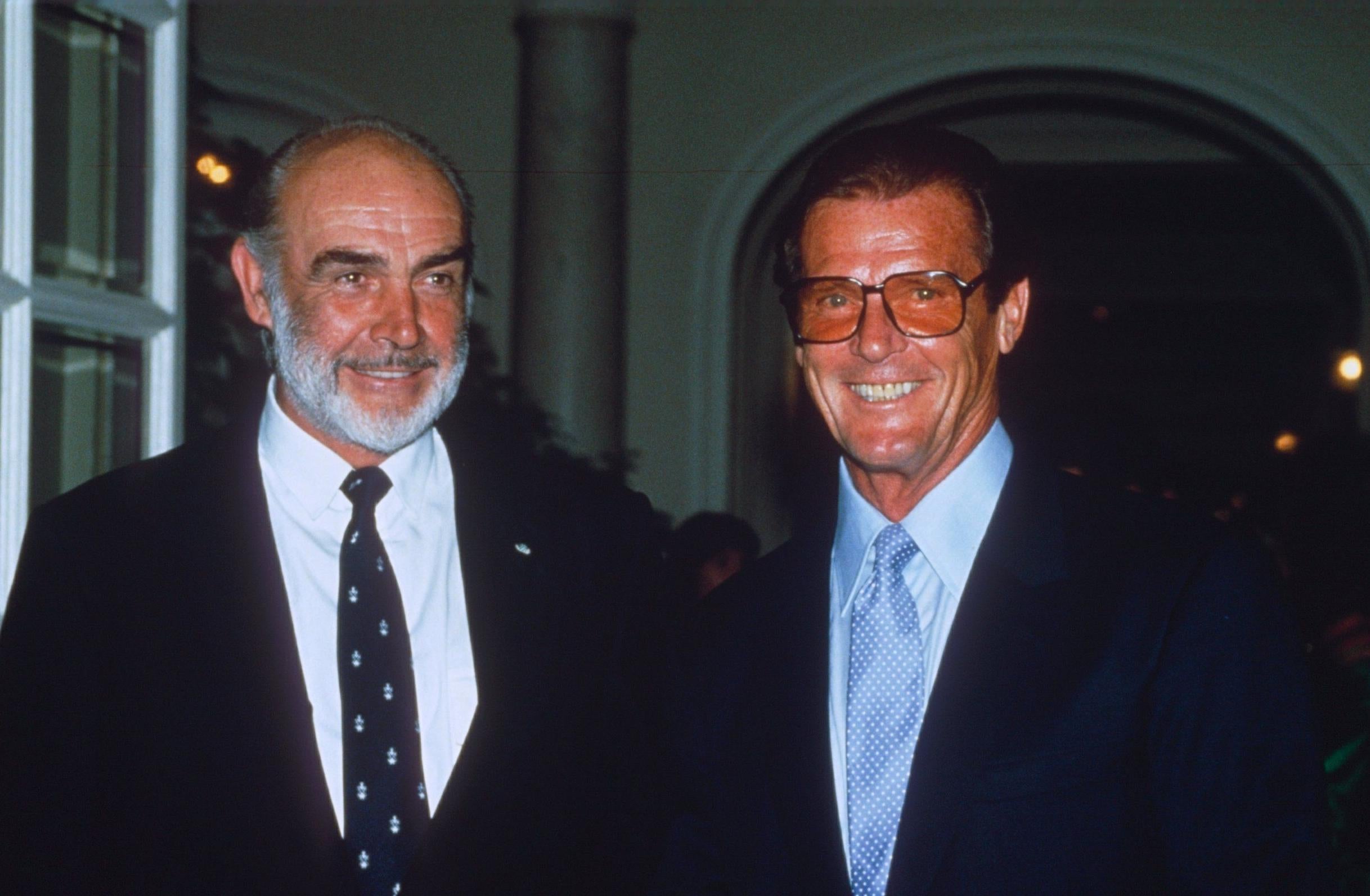
This stylistic shift was pivotal for the longevity of the franchise. By injecting a sense of wit and charm, Moore helped the series maintain its status as escapist entertainment. His portrayal emphasized the “gentleman spy,” a character who relied as much on his social intelligence and poise as he did on his gadgets and combat skills. This nuance is a cornerstone of what fans remember most about his tenure.
However, the role was not without its complexities. As the years progressed, the demands of the franchise and the changing nature of action cinema meant that the character of Bond had to constantly adapt. Moore’s ability to maintain his persona through these shifts is a testament to his skill as an actor and his deep understanding of the character’s core appeal.
The End of an Era: Transitions in the 007 Franchise
The conclusion of Moore’s tenure in 1985 with A View to a Kill marked a significant turning point in cinema history. The franchise faced a period of introspection as it sought to find its footing in a new decade. The Bond actor transition that followed was not an easy one, as the industry sought to balance the charm of the Moore years with a desire to return to a more modern, gritty sensibility.
Some critics and historians have noted that the particularly elements that made Moore successful—the charm, the humor, and the slightly heightened reality—eventually became the very things that the franchise felt the need to move away from in order to stay contemporary. This tension between escapism and realism is a recurring theme in the 007 franchise history, and Moore’s era remains one of the most prominent examples of the former.
Beyond the Bond films, Moore’s career was marked by a commitment to various roles that showcased his range. From his early days in television to his work in various international productions, he remained a respected figure in the industry. His Britannica biography notes his extensive work and the respect he commanded across the globe, a sentiment echoed by colleagues and fans alike.
Roger Moore’s Bond Filmography
To understand the scale of his contribution, one must look at the sequence of films that defined his time as 007:

| Year | Film Title | Significance |
|---|---|---|
| 1973 | Live and Let Die | His debut as James Bond |
| 1974 | The Man with the Golden Gun | Solidified the Moore persona |
| 1977 | The Spy Who Loved Me | A major commercial milestone |
| 1979 | Moonraker | Explored science-fiction elements |
| 1981 | For Your Eyes Only | A slightly more grounded approach |
| 1983 | Octopussy | High-spectacle adventure |
| 1985 | A View to a Kill | His final appearance as Bond |
Beyond the Tuxedo: Moore’s Lasting Impact
While the tuxedo will always be part of his legacy, Sir Roger Moore was also a man of great compassion and humanitarian spirit. In his later years, he became a dedicated supporter of UNICEF, using his platform to advocate for children’s rights and welfare globally. This side of Moore—the empathetic, socially conscious individual—is just as important to his legacy as his cinematic triumphs.
His influence extends beyond his filmography into the very way we perceive celebrity and public service. He demonstrated that an actor could leverage their fame to effect real-world change, providing a model for future generations of entertainers. As we remember him today, we celebrate not just a master of the silver screen, but a man of character and heart.
Frequently Asked Questions
- How many James Bond films did Roger Moore star in?
Roger Moore starred in seven official James Bond films between 1973 and 1985. - How did Roger Moore’s Bond differ from Sean Connery’s?
While Connery’s Bond was often characterized by a gritty, intense masculinity, Moore’s portrayal was more suave, charming, and utilized humor to navigate high-stakes situations. - What was Roger Moore’s first Bond film?
His debut film in the franchise was Live and Let Die, released in 1973. - Why did Roger Moore leave the Bond franchise?
While his era concluded as the franchise sought to evolve with changing cinematic trends in the mid-1980s, Moore’s departure was a natural transition as the series moved toward a new stylistic direction.
As the film industry continues to evolve, the impact of performers like Sir Roger Moore remains a constant point of reference. He reminded us that even in a world of high-octane action and global stakes, there is always room for a bit of wit and a great deal of charm.
What is your favorite Roger Moore moment? Do you prefer his era of Bond or the more recent iterations? Share your thoughts in the comments below and share this article with fellow film lovers.
Worth a look