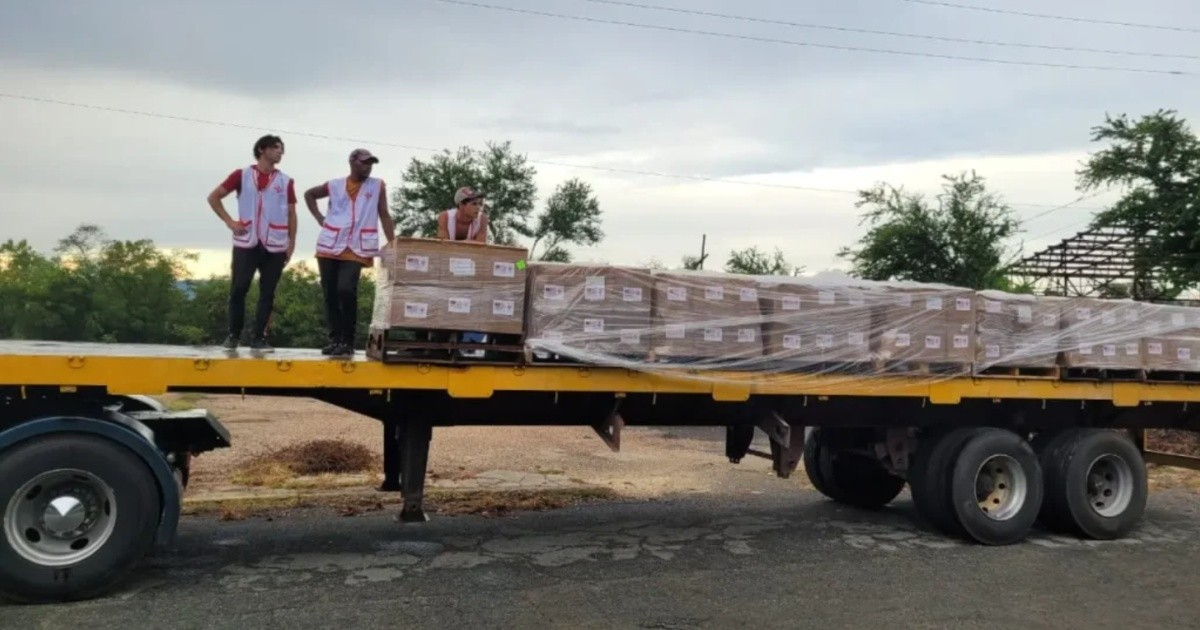
Humanitarian aid efforts have seen a recent development with the arrival of two flights from Miami to Santiago de Cuba. These missions, which transported essential supplies to the island, were facilitated to support communities facing ongoing resource challenges. The initiative involved the delivery of 1,900 kits containing food and hygiene products, which are being managed and distributed by local Catholic social service networks.
As a physician and health journalist, I often observe that the intersection of logistics and public health is where the most critical work occurs. Ensuring that vulnerable populations have access to basic sanitation and nutritional support is a fundamental pillar of community stability. This recent delivery highlights the role of international relief organizations in bridging gaps when local supply chains face significant strain.
Understanding the Role of Humanitarian Aid Networks
The distribution of these supplies is being handled by the local branches of the Caritas network. Caritas, a global confederation of Catholic organizations, is deeply involved in humanitarian aid, international development, and social advocacy across more than 200 countries and territories. According to historical records, the organization was established in Vatican City on December 12, 1951, to provide a structured response to the needs of the poor and marginalized Caritas Internationalis – Wikipedia.
The network operates under the principles of Catholic Social Teaching, which emphasizes the dignity of the human person and the importance of supporting the working classes and the vulnerable. In many regions, this translates into the provision of emergency relief, health care, and social services. For those interested in the broader scope of these operations, the organization maintains a comprehensive overview of its global presence and mission on its official portal Caritas Internationalis Official Website.
Community Impact and Resource Distribution
The recent arrival of aid in Santiago de Cuba underscores the necessity of consistent support systems. When organizations like Caritas distribute hygiene and food kits, they are not merely providing goods. they are addressing the immediate health risks associated with nutritional deficiencies and poor sanitary conditions. In public health, the availability of clean water and basic hygiene supplies is the first line of defense against the spread of infectious diseases.
While the specific logistics of this delivery from Miami were managed through private and charitable channels, the impact on the ground is measured by the number of families reached. The 1,900 kits represent a targeted effort to alleviate some of the pressure on local resources. Such interventions are particularly vital in areas where infrastructure may be struggling to keep pace with the needs of the population.
Key Focus Areas for Humanitarian Relief
- Nutritional Support: Providing caloric density and essential nutrients to combat food insecurity.
- Hygiene and Sanitation: Supplying soap, toiletries, and cleaning agents to prevent disease outbreaks.
- Logistical Coordination: Managing the complex, often delicate, pathways required to move physical goods across international borders into areas of need.
- Community Trust: Leveraging established, localized networks to ensure that supplies reach those who need them most effectively.
Looking Ahead: The Need for Sustained Support
Humanitarian crises are rarely solved by single shipments. They require sustained attention, policy alignment, and reliable distribution networks. As the situation in various parts of the world continues to evolve, the role of international humanitarian aid networks remains as critical as ever. Whether dealing with sudden emergencies or the long-term effects of economic and political instability, the focus must remain on the human impact.

For those looking to follow these developments, This proves essential to look toward updates from official humanitarian organizations and verified news sources that specialize in international relief reporting. As we monitor these situations, the emphasis will continue to be on how aid is reaching the most vulnerable and what long-term health outcomes can be supported through these programs.
What are your thoughts on the role of international aid in addressing local health crises? We invite you to share your perspective in the comments section below, or join the conversation by sharing this article with your community.
Keep reading