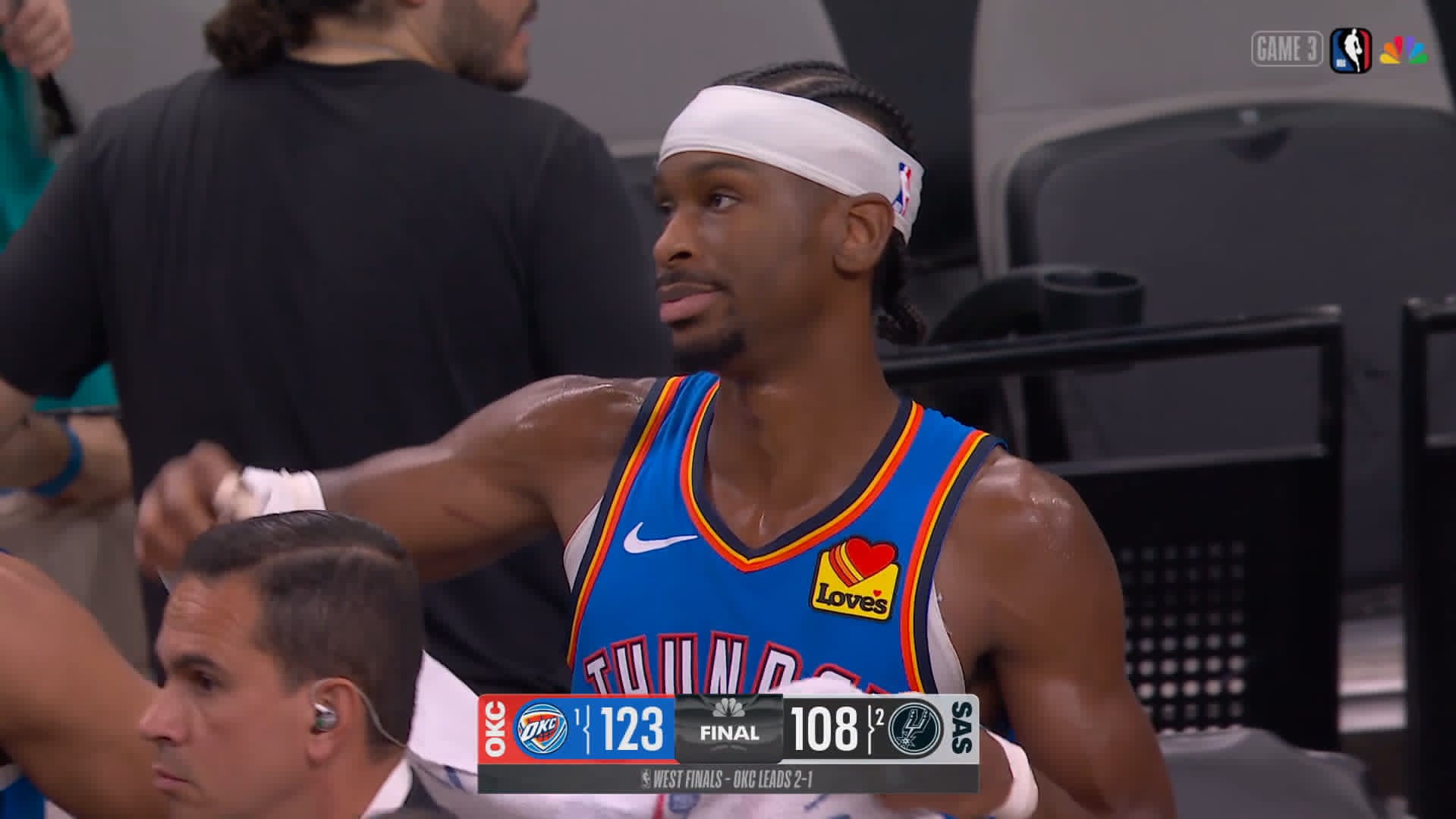
The Oklahoma City Thunder have successfully shifted the momentum in their current postseason series, securing a decisive 123-108 victory against the San Antonio Spurs in Game 3. By winning on the road, the reigning champions have reclaimed home-court advantage, moving to a 2-1 lead in the best-of-seven series. This pivotal win highlights the Thunder’s resilience, particularly after falling into an early deficit that tested their composure on a high-pressure stage.
For basketball fans and analysts monitoring the 2026 NBA Playoffs, this matchup represents a significant tactical battle between two of the league’s most dynamic rosters. The series has become a focal point for discussions regarding defensive adjustments, the development of young stars, and the strategic depth required to navigate the rigors of professional basketball in the modern era.
Early Struggles and Tactical Adjustments
The contest began with an aggressive surge from the San Antonio Spurs, who opened the game with a 15-0 run. This initial burst of energy from the home side placed immediate pressure on the Thunder, forcing the visitors to recalibrate their approach quickly. The visual impact of the Spurs’ early dominance was marked by high-intensity play, particularly from De’Aaron Fox, who set the tone by scoring the game’s opening points.
However, the Thunder’s response underscored the depth of their rotation. Faced with a daunting deficit, the defending champions relied on their bench players to stabilize the flow of the game. Contributions from Alex Caruso, Cason Wallace, and Jaylin Williams proved critical in narrowing the gap before the end of the first quarter. This period of play was defined by intense physical engagement, with secondary players effectively managing the defensive load and providing the necessary scoring output to keep Oklahoma City within striking distance.
Et il vient d’enchaîner une interception et un tir à 3 points… https://t.co/lLDdy45ZJW — TrashTalk (@TrashTalk_fr) May 23, 2026
Shai Gilgeous-Alexander and the Shift in Momentum
As the game progressed into the second quarter, the offensive rhythm for the Thunder began to shift. Shai Gilgeous-Alexander, who had been contained during the opening minutes, successfully integrated himself into the team’s offensive sets. His ability to facilitate play and contribute scoring helped the visitors overtake the lead before halftime. The addition of Jared McCain to the rotation further bolstered the Thunder’s scoring efficiency, allowing them to capitalize on the defensive gaps left by the Spurs.
The game also featured notable individual matchups that have defined the series thus far. Victor Wembanyama continued to assert his presence for the Spurs, demonstrating his range with a step-back three-pointer that challenged the Thunder’s interior defense. His matchup with Isaiah Hartenstein has been a recurring theme throughout the series, reflecting the physical nature of the playoffs as both players vie for control of the paint.
Contextualizing the Series Impact
The shift in home-court advantage is a critical development in this series. In professional basketball, the ability to win away games is often the deciding factor in tight postseason encounters. With the Thunder now leading 2-1, the pressure returns to the Spurs to execute a successful counter-strategy for Game 4. According to official league scheduling, teams typically maintain a tight turnaround between games during this stage of the tournament, requiring teams to manage player fatigue and injury recovery with precision.
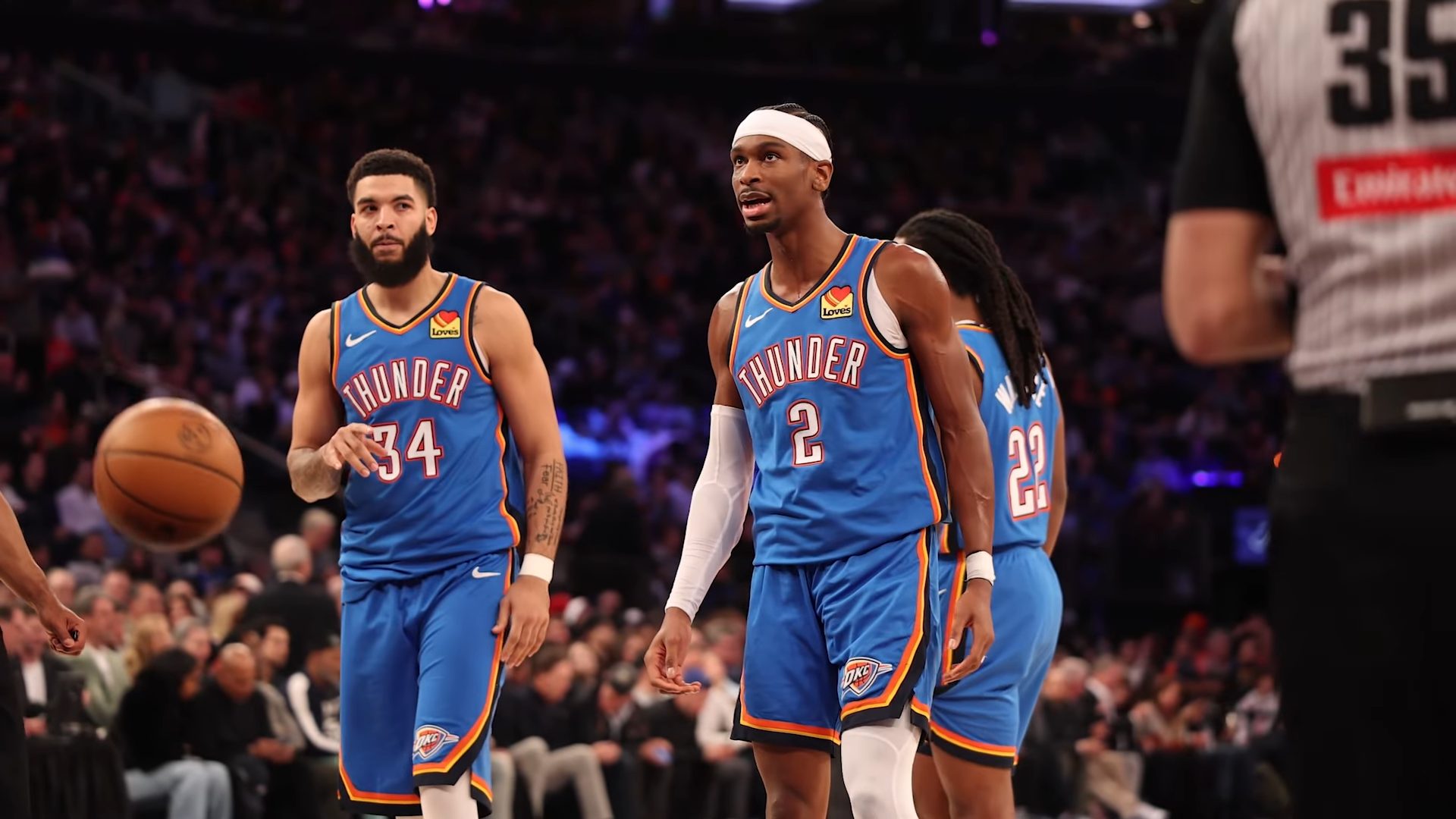
Beyond the immediate outcome, this series serves as a case study in team building and coaching adaptability. The Thunder’s reliance on a collective effort—rather than individual heroics—has allowed them to survive early-game deficits and maintain a high level of play throughout the entirety of a four-quarter game. For the Spurs, the challenge lies in sustaining their early-game intensity for the duration of the contest, as the Thunder have shown an ability to capitalize on lapses in concentration.
Key Takeaways from Game 3
- Reclaiming Advantage: The Oklahoma City Thunder have moved to a 2-1 series lead, effectively neutralizing the Spurs’ initial home-court edge.
- Bench Productivity: The Thunder’s rotation players, including Alex Caruso and Cason Wallace, provided essential stability following a 15-0 opening run by the Spurs.
- Strategic Evolution: Shai Gilgeous-Alexander’s increased offensive involvement in the second quarter was a decisive factor in the game’s outcome.
- Physicality: The ongoing individual battles, particularly between Victor Wembanyama and the Thunder’s interior defenders, continue to influence the tactical flow of the series.
Looking Ahead to Game 4
As the series continues, both organizations will turn their attention to game film analysis and medical recovery protocols. The intensity of these playoff matchups often necessitates a focus on load management and tactical fine-tuning. Fans and observers can follow the official NBA schedule for confirmed tip-off times and broadcast information regarding the next encounter.

The upcoming game will be a test of mental and physical endurance for both rosters. With the series momentum currently favoring Oklahoma City, the Spurs will likely look to adjust their defensive schemes to better contain the Thunder’s perimeter shooting and secondary scorers. Whether the Thunder can build on this success or if the Spurs can force a tie will remain the primary question until the next ball is tipped.
We invite our readers to share their analysis of the series in the comments section below. How do you see the tactical battle evolving in Game 4? Join the conversation as we continue to track the developments of the 2026 postseason.
Keep reading