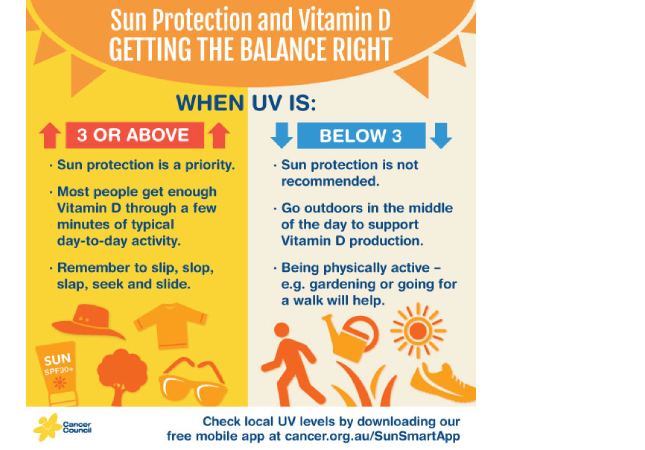
As we navigate the complexities of modern health, the relationship between sunlight, skin protection, and vitamin D remains one of the most frequently misunderstood topics in public health. Many individuals operate under the assumption that simply spending time outdoors without protection is the most effective way to address vitamin D deficiency. However, medical experts emphasize that this approach often overlooks the critical balance required to maintain bone health while simultaneously minimizing the risk of skin damage.
The synthesis of vitamin D through sun exposure is a biological process where ultraviolet B (UVB) rays interact with a protein known as 7-DHC in the skin. While this mechanism is natural, It’s not a one-size-fits-all solution. Factors such as skin tone, geographic location, and the time of day significantly influence how much vitamin D an individual can produce. Relying solely on unprotected sun exposure to reach optimal levels can expose the skin to unnecessary risks, including DNA damage, which is a known precursor to skin cancer, according to the Skin Cancer Foundation.
The Balance of Vitamin D and Skin Safety
Vitamin D is essential for maintaining strong bones, as it plays a key role in calcium absorption and bone mineralization. A deficiency in this nutrient can lead to significant health challenges, including muscle weakness, bone pain, and in more severe cases, an increased risk of osteoporosis and skeletal fractures. Because of these risks, it is understandable why many people prioritize sunlight as a primary source of the vitamin.
However, dermatologists caution against “sun-seeking” behavior as a substitute for a balanced approach to nutrition and health. The medical community generally advises that individuals do not need to choose between sun protection and vitamin D levels. Current clinical guidance suggests that it is possible to maintain adequate nutritional status through a combination of diet, supplementation, and responsible sun safety practices, rather than risking excessive exposure that could harm the skin’s integrity.
Understanding Individual Risk Factors
Research into the variables of sun exposure has highlighted that the amount of sunlight required to produce vitamin D is highly individual. Skin pigmentation, for example, acts as a natural filter; individuals with darker skin tones generally require longer periods of sun exposure to produce the same amount of vitamin D as those with lighter skin tones, though this also increases the duration of time they must spend in the sun—and therefore their exposure to potential UV damage.

In a controlled study environment, researchers have sought to map these variables more precisely. For instance, trials have utilized simulated sunlight to examine how different skin types respond to UV radiation. By analyzing blood and urine samples, as well as skin biopsies, these studies aim to provide clearer, personalized guidelines that help individuals understand how to achieve necessary vitamin D levels without incurring excessive DNA damage, as noted in research published by ecancer.
Moving Beyond Traditional Assumptions
The evolving landscape of dermatology and photobiology is also shifting the focus toward vitamin D–independent pathways through which sunlight may provide health benefits. Emerging evidence suggests that the skin’s interaction with sunlight may influence systemic health through mechanisms like the mobilization of nitric oxide from cutaneous stores. This indicates that while vitamin D is a vital component of health, the benefits of sunlight are multifaceted and go beyond the production of a single nutrient, as discussed in recent scientific literature on photobiology and sunlight.
For the average person, the best strategy remains a pragmatic one:
- Consult a professional: If you are concerned about vitamin D deficiency, a simple blood test ordered by your physician is the only accurate way to determine your status.
- Prioritize supplementation: When sunlight is insufficient—particularly during winter months or for those with limited outdoor access—dietary sources or supplements are often safer and more predictable than unprotected sun exposure.
- Maintain protection: Using sunscreen and protective clothing does not mean you are destined for deficiency. It is possible to protect your skin from the carcinogenic effects of UV rays while maintaining healthy vitamin levels through other means.
Looking Ahead
As research continues to refine our understanding of how skin types and environmental conditions affect our health, the medical community remains focused on providing evidence-based advice. Future clinical updates will likely continue to emphasize the importance of personalized health assessments over generalized advice regarding sun exposure.
Readers are encouraged to speak with their primary care physicians during their next annual check-up to discuss their specific vitamin D levels and the most appropriate, safest ways to ensure they are meeting their nutritional needs. For those interested in tracking public health developments, official resources from national health authorities provide the most reliable updates on screening and safety guidelines. We invite you to share your thoughts or questions in the comments section below.
Keep reading