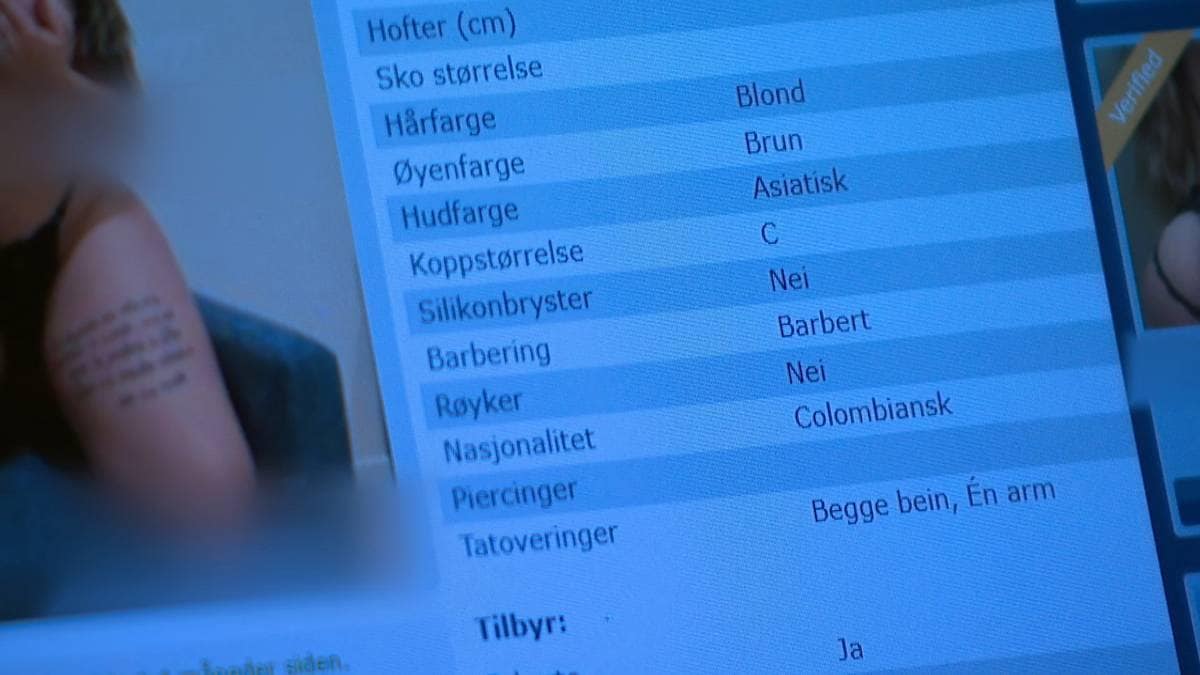
Recent reports indicate a notable rise in the number of young Colombian women entering the sex industry in Norway, prompting concerns among authorities and human rights advocates regarding potential exploitation and trafficking. This shift in the demographic landscape of the sex trade has drawn scrutiny from law enforcement and social welfare organizations, as they work to identify the factors driving this trend and provide necessary support to vulnerable individuals.
As an investigative journalist who has spent years tracking international labor trends and human rights issues, such developments often stem from complex socioeconomic pressures in the countries of origin combined with the specific demand dynamics of the host nation. The situation highlights the ongoing challenge for Nordic countries, which have long grappled with balancing restrictive legislation on sex work with the need to protect those involved from harm and exploitation.
Understanding the Legal and Social Landscape
Norway maintains a strict legal framework regarding the sex trade. Under the Norwegian Penal Code, the purchase of sexual services is prohibited, while the act of selling sexual services is legal for adults. This legislative approach, often referred to as the “Nordic Model,” was designed with the explicit intent of reducing the demand for prostitution and protecting women from trafficking and abuse. According to the Norwegian Ministry of Justice and Public Security, the policy aims to prevent the establishment of a market that can be exploited by criminal networks.
The increase in foreign nationals, including young women from Colombia, participating in this market presents new challenges for these policies. When individuals migrate from regions facing severe economic instability, they may become targets for organized criminal groups that promise employment or better living conditions. The Norwegian Police Service consistently monitors for signs of human trafficking, which is a severe criminal offense under Norwegian law, carrying significant penalties for those who facilitate, exploit, or profit from the sexual abuse of others.
The Drivers of Migration and Vulnerability
The movement of young women from Colombia to Europe for the purpose of sex work is frequently linked to broader patterns of economic migration. Many individuals leave their home countries seeking financial stability to support families, often unaware of the dangers they may face upon arrival in a foreign country. In the context of international migration, the International Organization for Migration (IOM) notes that migrants in irregular situations are at a heightened risk of exploitation, as they may lack legal protections and fear reporting abuse to local authorities due to their immigration status.
For those arriving in Norway, the language barrier and lack of local social networks can further exacerbate their vulnerability. Unlike local workers who may have access to established support systems, foreign migrants often operate in a state of isolation. This makes it difficult for social workers and outreach organizations to provide guidance or health services. Ensuring that these women have access to information about their rights—regardless of their legal status—is a critical component of the harm reduction efforts currently being debated by policymakers and non-governmental organizations.
Strategic Responses and Future Challenges
Addressing this trend requires a multi-faceted approach that goes beyond traditional law enforcement. While the police focus on dismantling criminal networks and identifying victims of trafficking, there is a recognized need for increased collaboration with international counterparts, including authorities in Colombia. By sharing intelligence and strengthening border cooperation, agencies can better intercept the recruiters who orchestrate these movements.

social support remains a vital pillar. Organizations that provide outreach to those in the sex industry must be equipped to offer assistance in multiple languages and provide culturally sensitive support. The Norwegian Red Cross and other humanitarian groups have historically played a role in assisting vulnerable populations within Norway, emphasizing the importance of providing a safe space for those who wish to exit the industry or seek legal help.
Key Considerations for Public Policy
- Trafficking Awareness: Distinguishing between voluntary sex work and coerced exploitation remains the primary focus of investigative and law enforcement agencies.
- Socioeconomic Support: Addressing the root causes of migration from Colombia is essential for long-term prevention.
- Access to Rights: Ensuring that all individuals in Norway, regardless of their origin, have access to legal and medical support services if they are victims of violence or exploitation.
As the situation continues to evolve, the Norwegian government is expected to provide further updates through its official documentation portals regarding any adjustments to current anti-trafficking strategies. We will continue to monitor official reports and government statements as they become available. We encourage our readers to share their perspectives or report verified information in the comments section below, ensuring that the discourse remains grounded in facts and humanitarian concern.

Worth a look
- Nenmara Double Murder Case: Court Finds Chenthamara Guilty as Accused Defies Judgment
- Jalisco Security Drill: Road Closures and Blockades in Guadalajara ZMG This Monday
- Oil Prices Surge as US and Iran Exchange Military Strikes in Persian Gulf (archyworldys.com)
- United Internet Stock: Recurring Revenues Provide Stability Amid Market Volatility (archynewsy.com)