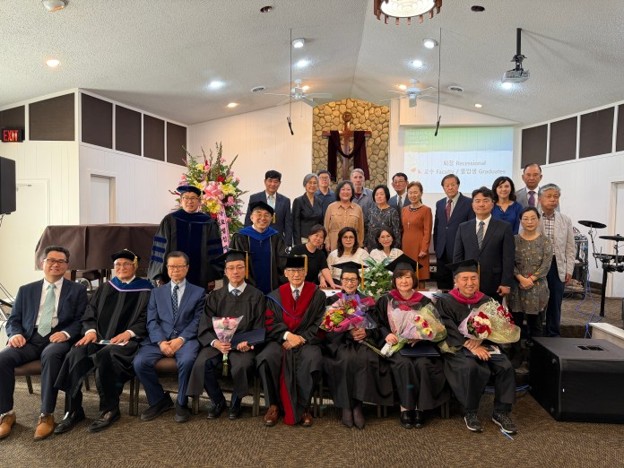
In the landscape of modern theological education, the transition from academic preparation to vocational ministry remains a pivotal moment for both the institution and the individual. The recent commencement exercises held at various theological seminaries underscore a broader trend in religious life: the continuous commissioning of individuals tasked with leadership, pastoral care, and church operations in an increasingly complex global environment.
For those navigating the path of religious vocational training, the completion of a degree signifies more than an academic milestone; it represents a commitment to the evolving demands of community leadership. As religious organizations, including denominations such as The Church of Jesus Christ of Latter-day Saints, emphasize the importance of service-oriented ministry and structured church governance, the demand for trained professionals in pastoral roles remains a significant factor in the health of congregational life.
The Evolution of Pastoral Roles and Church Operations
The contemporary ministry landscape is characterized by a diversification of responsibilities. Beyond traditional preaching, modern church leadership often requires expertise in administration, discipleship, and community engagement. Institutions providing theological education must frequently balance classical biblical studies with practical training in management and organizational development.
This shift is reflected in the diverse range of positions currently sought within the religious sector. Common roles advertised on professional platforms, such as the Gateway Seminary job board, highlight a clear institutional need for individuals who can serve as pastors of discipleship, directors of church operations, and content creators. These roles suggest that the modern church functions increasingly like a multi-faceted organization, requiring leadership that is as adept at strategic planning as it is at spiritual guidance.
Meeting the Demand for Ministry Staffing
For graduates entering the workforce, the transition into active ministry often involves navigating a competitive and highly specific job market. Agencies and platforms that specialize in ministry staffing have become essential conduits, connecting trained professionals with congregations that require specialized leadership in worship, youth development, and senior pastoral care.
The necessity of this alignment—ensuring that the training provided by seminaries matches the practical realities of the local church—is a frequent subject of discourse among church leaders. Discussions regarding the future of the Korean-American church and other immigrant-led denominations in the United States often center on how to best equip the next generation of leaders to handle cultural integration, generational shifts in membership, and the digital transformation of religious outreach.
Key Considerations for Emerging Leaders
- Practical Skill Acquisition: Beyond theology, proficiency in digital media and organizational administration is increasingly viewed as a core competency.
- Community Engagement: The ability to foster intergenerational connection remains a primary metric for success in many pastoral environments.
- Vocational Sustainability: Many institutions are focusing on the long-term health of their ministers, providing resources for professional development and conflict resolution.
Looking Ahead: The Future of Theological Training
As we look toward the remainder of the year and into the next, the focus of theological education remains fixed on the intersection of tradition and innovation. The commissioning of new graduates is not merely a ceremonial event but a barometer for the vitality of religious institutions. Whether in large urban centers or smaller, regional congregations, the need for individuals who can articulate a vision and manage the practicalities of faith-based organizations is constant.

The next major checkpoint for many of these institutions will be the fall academic cycle, which typically sees the enrollment of the next cohort of students. For the observers of global religious trends, the upcoming semester will likely provide further insight into how seminaries are adapting their curricula to meet the shifting needs of the global church. We invite our readers to share their perspectives on the changing nature of pastoral leadership in the comments section below.
Related reading