
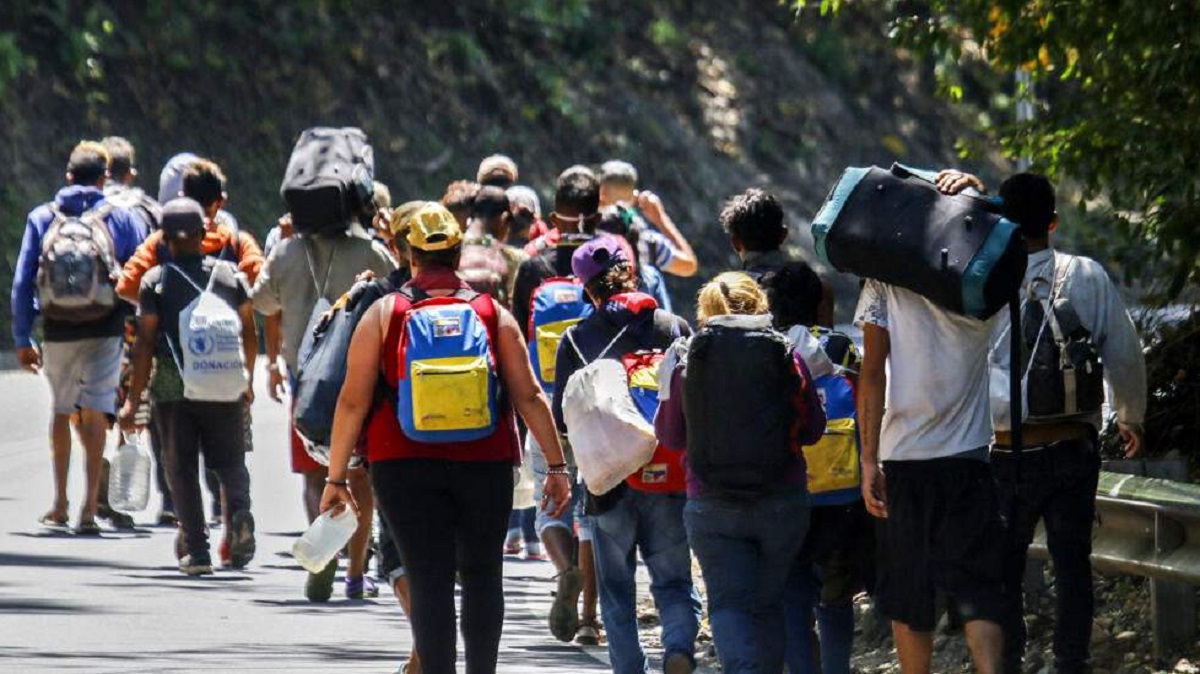
The Venezuelan diaspora, one of the largest and most complex migration movements globally, continues to grapple with the profound tension between a deep-seated desire to contribute to the nation’s future and the pragmatic realities of life abroad. As families navigate the long-term impacts of economic and political instability, recent data highlights a striking divide: while a vast majority of those living outside the country express a profound wish to see Venezuela reconstructed, only a small fraction have formulated concrete plans to return.
This phenomenon, often described as a “dilemma of belonging,” reflects the reality that for many migrants, the decision to return is not merely a logistical challenge but an deeply personal one. The integration of millions of Venezuelans into new societies across the globe has created new professional ties, academic opportunities, and community bonds, making the prospect of re-migration increasingly complex as time progresses. According to data from the National Survey of Living Conditions (Encovi), which provides a longitudinal look at the country’s social fabric, the rate of return remains low, with recent findings suggesting that only a small percentage of those who left have successfully re-established their lives within the country (Encovi/UCAB Analysis).
The Gap Between Aspiration and Reality
Sociologists and migration experts suggest that the “desire to reconstruct” is a cultural and emotional anchor for the diaspora. It represents a commitment to the homeland that persists despite years of absence. However, the decision to actually relocate involves a complex calculation of domestic stability, economic viability, and the availability of essential services. For those who have spent years building careers or raising children in host nations—ranging from neighboring South American countries to North America and Europe—the barrier to entry for return is high.

The Encovi reports have consistently tracked the demographic shifts associated with migration. While the desire to return is frequently voiced in surveys, the actual movement of people back to Venezuela remains hindered by the persistent challenges that triggered the initial exodus. The data suggests that when returns do occur, they are often concentrated among specific age groups, such as children and the elderly, rather than the working-age population that would typically drive economic reconstruction (UNHCR Global Trends).
Integration and the “New Normal”
For many in the diaspora, the concept of “home” has become fluid. Having successfully integrated into diverse labor markets and social systems, many Venezuelans now face the reality of dual identities. Professional advancement and the development of new social networks abroad have made the prospect of “starting over” in Venezuela a daunting proposition. The emotional weight of leaving a place where one has already established a stable life—often after the initial trauma of forced migration—cannot be understated.

the long-term nature of the crisis has meant that the diaspora is no longer a temporary group of expatriates waiting for a sudden change in conditions. It has evolved into a permanent demographic feature of many host countries. This shift in status changes the nature of the diaspora’s relationship with Venezuela, moving from a focus on immediate return to a focus on long-distance support, remittances, and political advocacy from abroad.
What the Data Tells Us
Analyzing the trends over the last several years, migration patterns are not static. The Encovi research, which has been instrumental in providing an evidence-based view of the Venezuelan crisis, has tracked these trends since at least 2021. The findings indicate that the propensity to return has fluctuated, but generally remains low across both genders. This consistency suggests that the factors preventing return are structural and deep-rooted, rather than temporary.
For those tracking these developments, the focus often shifts to the “conditions for return.” These include, but are not limited to, the restoration of rule of law, the stabilization of the national economy, and the normalization of essential social services. Until these conditions are met in a way that provides long-term security, the majority of the diaspora is likely to remain in their current countries of residence, even while maintaining an active interest in the fate of their home country (OAS Migration Reports).
Looking Ahead
The situation remains highly dynamic. As we move through 2026, the global community continues to monitor the Venezuelan migration crisis through institutional reports and humanitarian assessments. The next major update on the social and demographic state of the country is expected to come from subsequent waves of the Encovi survey and international migration monitoring bodies, which provide the most reliable benchmarks for understanding the movement of people in and out of the nation.
For the diaspora, the conversation is shifting toward how to best engage with a country that is undergoing significant internal changes. Whether through investment, knowledge transfer, or continued advocacy, the members of the diaspora are redefining what it means to belong to a nation that is, for many, currently beyond their physical reach.
We invite our readers to share their perspectives on this ongoing development. How do you view the role of the diaspora in the future of their home countries? Join the discussion in the comments section below.