
India’s residential solar energy sector is witnessing a significant surge in investor interest, as evidenced by reports that SolarSquare, a prominent rooftop solar startup, is currently in advanced discussions to raise between $55 million and $60 million in fresh capital. This potential Series C funding round reflects the growing momentum behind India’s ambitious renewable energy goals, which aim to achieve 500 gigawatts of capacity by 2030, with solar power expected to account for more than half of that target.
The startup, which specializes in designing and installing solar panel systems for homes and housing societies, has seen a rapid increase in its valuation. According to industry reports, the upcoming financing could value the company at between $450 million and $500 million. This would represent a substantial jump from its valuation in December 2024, when it secured a $40 million Series B round led by Lightspeed Venture Partners. The current negotiations are expected to conclude as early as next month, though terms remain subject to change as the deal moves toward finalization.
The transition toward sustainable energy in India has been supported by various government incentives and subsidy schemes designed to accelerate the adoption of rooftop solar technology. As the nation continues to expand its power infrastructure, solar energy has become a central pillar of its energy security strategy. By 2025, India had established itself as the world’s third-largest producer of solar power, trailing only China and the United States. The country’s cumulative installed solar capacity has seen a dramatic increase, rising from approximately 3 gigawatts in 2014 to over 150 gigawatts by 2026.
Investor Confidence and Market Growth
The potential investment into SolarSquare underscores a broader trend of venture capital firms channeling resources into the Indian residential solar market. The proposed Series C round is expected to be co-led by B Capital and Lightspeed Venture Partners, with participation from existing investor Elevation Capital. Lightspeed, which has previously backed major Indian technology firms such as the digital payment provider Razorpay and the quick-commerce startup Zepto, is reportedly utilizing its growth fund for this transaction.
For investors, the appeal lies in the scalability of the rooftop solar model. By providing end-to-end services—ranging from installation and subsidy assistance to proactive maintenance—startups like SolarSquare are aiming to lower the barriers to entry for households and residential societies. This “zero-middleman” approach is intended to streamline the consumer experience, which has historically been fragmented in the solar installation market.
Data from startup intelligence platforms indicate that SolarSquare has raised approximately $61.1 million in equity financing to date. As the company expands its footprint across India, the focus remains on enhancing the reliability and efficiency of solar systems, particularly through innovations like wind-resistant mounting structures designed to withstand severe weather conditions.
The Role of Technology in Residential Solar Adoption
Beyond the financial implications, the integration of technology into the customer experience is a critical driver of the company’s growth. Modern rooftop solar solutions now frequently include mobile applications that allow users to monitor real-time power generation and track their savings. This shift toward “smart” energy management is helping consumers visualize the long-term cost benefits of transitioning away from traditional grid-based electricity.
For many households, the primary value proposition of rooftop solar is the ability to significantly reduce monthly electricity bills. In the context of housing societies, these installations also serve as a means to lower common-area power costs, thereby increasing the property’s long-term value. As more urban centers in India adopt these systems, the cumulative impact on the national grid is expected to grow, further alleviating the pressure on traditional power generation sources.
Key Factors Driving the Residential Solar Market
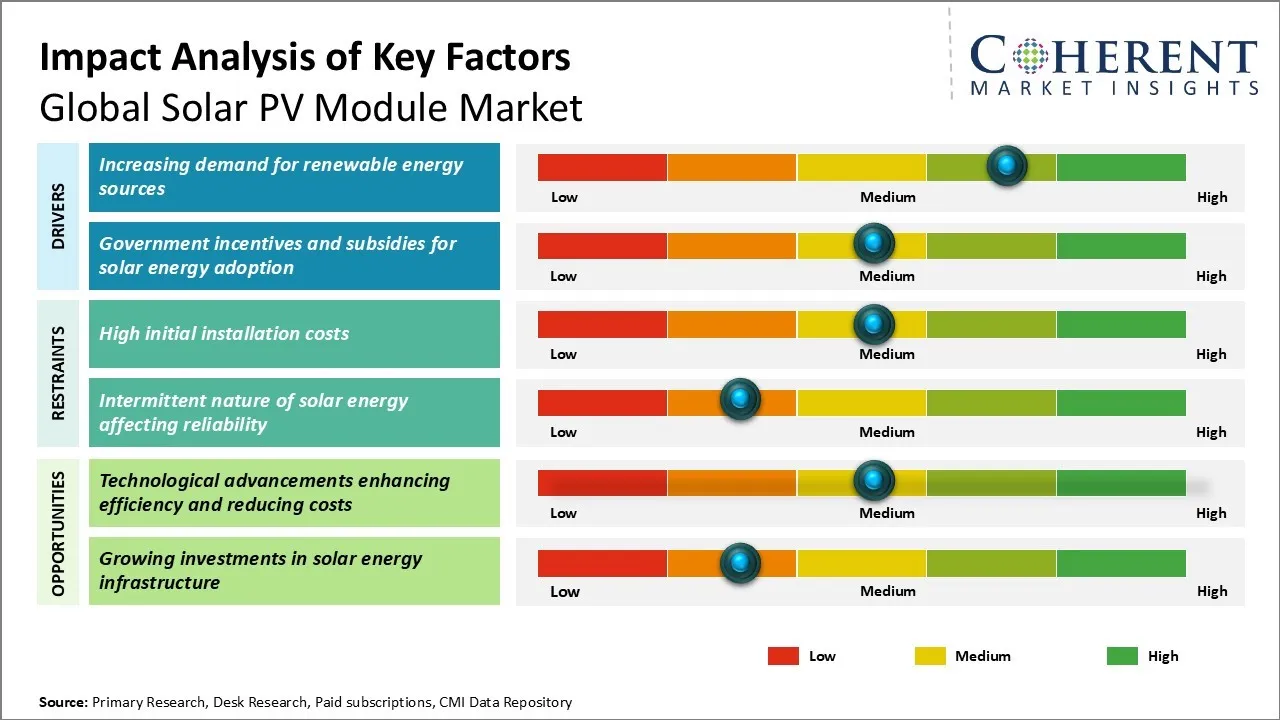
- Government Support: Continued implementation of subsidy schemes and national portal initiatives to encourage rooftop solar adoption.
- Infrastructure Expansion: Significant growth in national solar capacity, which surpassed 150 GW by 2026.
- Technological Innovation: Development of durable, storm-proof solar mounting structures and user-friendly monitoring software.
- Consumer Awareness: Increasing recognition of the financial, environmental, and long-term cost-saving benefits of solar energy.
Looking Ahead: The Path Toward 2030
As India pushes toward its target of 500 gigawatts of renewable energy capacity, the role of private enterprises will remain essential. The ability of startups to secure large-scale venture funding is a clear indicator that the market for residential solar is maturing. While the current financing round for SolarSquare is still in the advanced stages and has not yet been finalized, the sector’s trajectory suggests that capital will continue to flow into companies that can provide reliable, efficient, and scalable solar solutions.
The upcoming weeks will be critical as the company works to finalize the details of its Series C round. For now, the broader industry will be watching these developments as a bellwether for the health of India’s green energy startup ecosystem. As the nation continues to scale its renewable infrastructure, the convergence of government policy, investor interest, and technological advancement is creating a robust foundation for a cleaner energy future.
We will continue to monitor the progress of this financing deal and provide updates as they become available. Please share your thoughts in the comments section below regarding the shift toward rooftop solar in your own region.
Worth a look