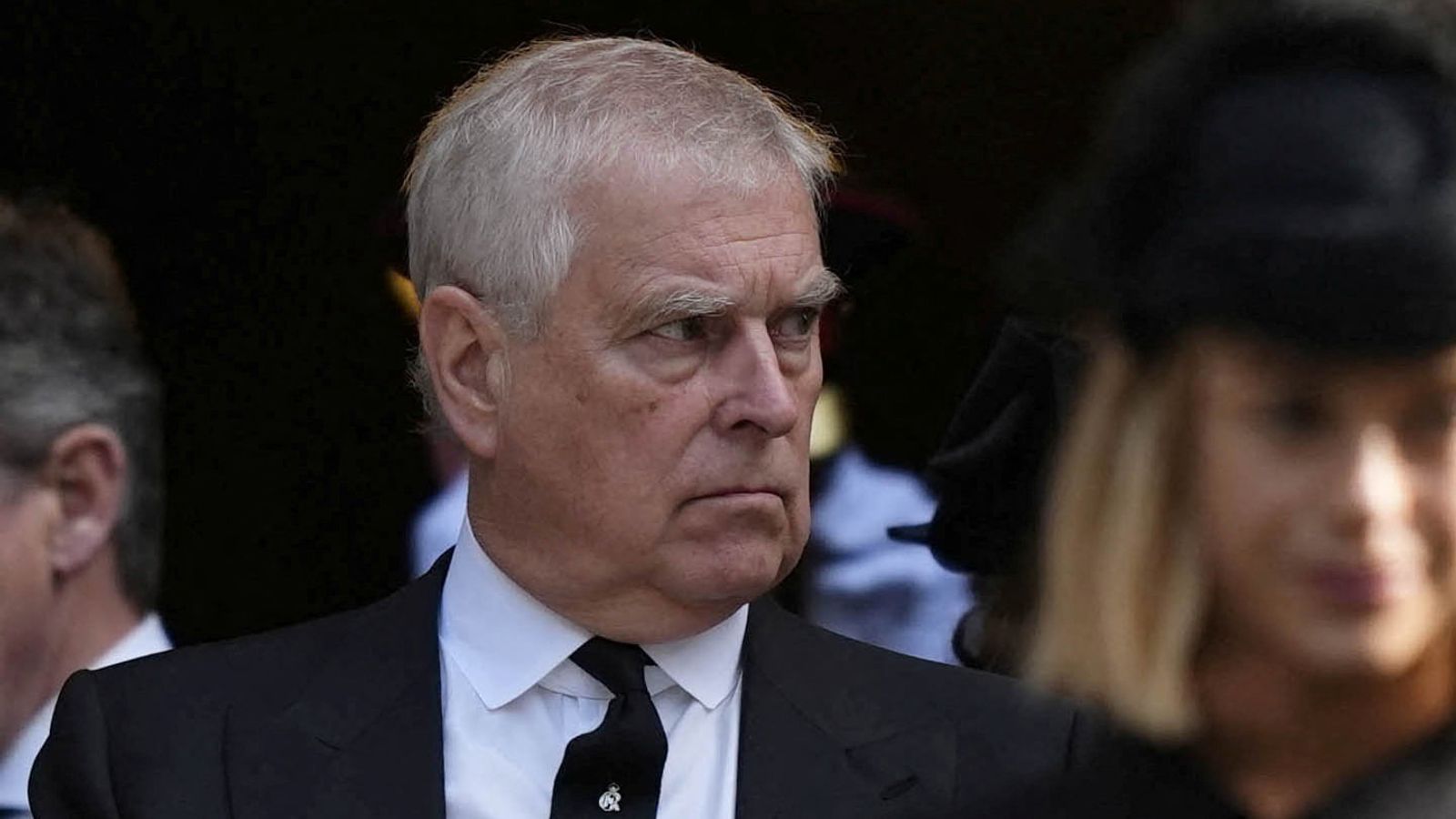
The investigation into Andrew Mountbatten-Windsor has entered a complex new phase, as detectives grapple with the legal intricacies of building a case that spans both administrative misconduct and potential sexual offenses. What began as an inquiry into the misuse of official influence has expanded, leaving law enforcement facing significant hurdles in securing the evidence necessary for a potential prosecution.
As authorities in the United Kingdom continue their probe, the central challenge lies in the dual nature of the investigation. Detectives are not only looking into whether official positions were abused but are also investigating whether the scope of the inquiry should encompass allegations of sexual misconduct. This expansion, while potentially critical to the case, has created a landscape where the threshold for evidence is exceptionally high and the legal definitions are notoriously difficult to navigate.
The investigation, spearheaded by Thames Valley Police, was catalyzed by the release of documents from the United States Department of Justice regarding its long-running investigation into Jeffrey Epstein. These files have provided a new lens through which UK authorities are examining the associations and conduct of the former royal, particularly concerning his interactions with the late financier.
Expanding the Scope: From Public Misconduct to Sexual Allegations
A primary difficulty for investigators is the specific legal framework under which they are operating. Currently, the inquiry is centered on the suspicion of misconduct in public office. In the United Kingdom, this is a complex common law offense that involves a public officer willfully neglecting to perform their duty or engaging in misconduct to such a degree that it amounts to an abuse of the public’s trust.
According to reports from BBC News, police are concerned that witnesses may have a narrow understanding of this charge. While many associate “misconduct in public office” strictly with corruption or the misuse of state secrets, the offense is broader in scope. It can encompass an abuse of position and, significantly, can include sexual misconduct if It’s tied to the misuse of an official role or authority.
By clarifying this, police are attempting to encourage individuals to come forward with information that might otherwise seem irrelevant to a “misconduct” investigation. The goal is to ensure that if there is evidence of sexual impropriety linked to his role or position, it is not overlooked due to a misunderstanding of the legal parameters.
The Epstein Files and the Search for Evidence
The catalyst for this renewed scrutiny remains the “Epstein Files.” These documents, released as part of the US Department of Justice’s investigation into Jeffrey Epstein, have contained emails and records that suggest a level of proximity between Mountbatten-Windsor and the convicted sex offender that warrants further examination. Specifically, investigators are looking into whether confidential information was shared with Epstein, a suspicion that forms a core part of the misconduct inquiry.

The search for physical and digital evidence has already seen significant movement. Detectives have conducted searches at two high-profile locations: the Sandringham Estate in Norfolk—the residence of King Charles III—and the Royal Lodge in Windsor, which served as the former home of Andrew Mountbatten-Windsor. These searches are intended to recover communications or documentation that might substantiate the claims found within the US-based files.
However, the reliance on digital trails and decades-old associations presents a formidable obstacle. Much of the evidence is circumstantial, stemming from emails and witness accounts rather than direct forensic links. For a prosecution to succeed, investigators must move beyond mere association and prove specific acts of misconduct or criminal behavior.
The Challenge of Witness Participation
The difficulty of the case is compounded by the nature of the witnesses required. To build a robust case, particularly regarding the potential sexual misconduct aspect, police require direct testimony from individuals who may be hesitant to engage with a high-profile investigation involving a member of the former royal family.
The police have issued repeated calls for anyone with information to come forward, acknowledging that the complexity of the offense might be deterring potential witnesses. The challenge is twofold: convincing victims or witnesses that their testimony is relevant to the “misconduct in public office” charge, and overcoming the inherent social and legal pressures associated with testifying against a figure of such international prominence.
Key Investigation Details at a Glance
- Lead Agency: Thames Valley Police
- Primary Suspicion: Misconduct in public office
- Secondary Focus: Potential sexual misconduct
- Key Catalyst: US Department of Justice (DOJ) files related to Jeffrey Epstein
- Search Locations: Sandringham Estate (Norfolk) and Royal Lodge (Windsor)
- Status: Investigation ongoing following an arrest and release under investigation
Defense and Denials: The Counter-Argument
Throughout the investigation, Andrew Mountbatten-Windsor has maintained a consistent and strenuous denial of any wrongdoing. His legal position rests on the assertion that his associations did not involve illegal activity and that he derived no personal gain from his official capacities.
A significant portion of his defense involves his tenure as a UK trade envoy, a role he held between 2001 and 2011. He has explicitly denied that any actions taken during this period constituted a misuse of his position or provided any personal advantage. As the investigation moves forward, his legal team is expected to challenge the directness of the links suggested by the Epstein files, arguing that the evidence presented by authorities remains speculative rather than conclusive.
The tension between the police’s pursuit of a broad interpretation of “misconduct” and the defense’s insistence on the lack of direct evidence defines the current stalemate in the case. For investigators, the path forward requires transforming circumstantial digital records into a coherent narrative of criminal abuse of office.
Frequently Asked Questions
What is “misconduct in public office”?
It is a UK legal offense where a public official willfully neglects their duty or behaves in a way that constitutes an abuse of the trust placed in them by the public. This can include corruption, misuse of confidential information, or abuse of authority.
Why is the Epstein investigation relevant to the UK?
Because the US Department of Justice released files that suggest Mountbatten-Windsor may have shared confidential information with Epstein, prompting UK police to investigate whether this constituted a breach of his official duties.
Has Prince Andrew been charged with a crime?
As of the current reporting, he has been questioned and released under investigation, but no formal charges have been brought forward regarding the misconduct in public office inquiry.
The investigation remains in a critical state as detectives continue to analyze the findings from the searches at Sandringham and Royal Lodge. The next major development will depend on whether the Thames Valley Police can secure enough witness testimony or digital evidence to transition from an inquiry to a formal prosecution.
What are your thoughts on the complexities of this legal investigation? Let us know in the comments below and share this article to join the conversation.
Related reading