
The timeless melodies of Franz Schubert have long served as a cornerstone of the global lyrical tradition, evoking emotions that transcend borders and generations. In the historic city of Girona, this musical legacy recently took center stage as local institutions gathered to celebrate a significant milestone: 20 years of dedicated musical artistry and cultural contribution to the region.
The anniversary celebration, themed around the profound works of Schubert, was intended to be a high-profile tribute to the enduring power of classical music. However, the event also became a subject of local discussion, not merely for the quality of the performances, but for a perceived deviation from the formal traditions that typically accompany such prestigious musical milestones.
The celebration highlighted the deep-seated connection between the city of Girona and the classical arts, marking two decades of fostering talent and bringing world-class compositions to the local community. While the music provided a sublime backdrop, the event underscored a recurring debate within the cultural sphere: the balance between modern casualness and the strict protocols of classical tradition.
A Milestone of Musical Excellence: Celebrating Two Decades
Marking a 20th anniversary is a rare achievement for any cultural organization, representing stability, growth, and a sustained commitment to artistic excellence. In Girona, this milestone served as a retrospective of the musical journey that has shaped the city’s cultural landscape over the last two decades.
The choice of Schubert as the central figure for this celebration was no coincidence. Franz Schubert, a titan of the Romantic era, remains one of the most influential composers in the history of lyrical music. His ability to weave complex human emotions into song—particularly his Lieder—makes his work a perennial favorite for anniversaries that aim to celebrate the depth and soul of musical performance.
For the attendees and the musicians involved, the anniversary was more than a mere ceremony; it was a testament to the resilience of the arts. Over the past 20 years, the musical institutions in Girona have navigated changing cultural tides, yet they have remained a steadfast pillar for the community, providing a platform for both established masters and emerging voices.
The Protocol Debate: Tradition vs. Modernity in Girona
Despite the celebratory atmosphere, the event drew unexpected attention due to a moment that many traditionalists found jarring. During the formal presentations, the appearance of local official Lluc Salellas sparked a conversation regarding the appropriate decorum for high-level lyrical events.
Observers noted that Salellas arrived in casual attire, a departure from the formal dress code typically expected at a gala of this magnitude. In the world of classical music, where ceremony and presentation are often viewed as extensions of the art form itself, the decision to present in “street clothes” was seen by some as a breach of the solemnity the occasion demanded.
This incident highlights a growing tension within modern cultural celebrations. On one hand, there is a movement toward making classical music more accessible and less intimidating by relaxing formal barriers. Proponents of tradition argue that the ritual of formal attire honors the composers, the performers, and the gravity of the musical heritage being celebrated.
While the debate over dress codes continues to evolve, the Girona event serves as a case study in how local politics and cultural tradition intersect. For many, the “casual” presentation was a sign of a changing social landscape, while for others, it was a missed opportunity to uphold the prestige of a 20-year milestone.
The Enduring Influence of Franz Schubert
To understand why such a breach of protocol caused any stir at all, one must understand the weight of the repertoire being performed. Schubert’s influence on the “lírica mundial” (the global lyrical world) cannot be overstated. His compositions often bridge the gap between the intimate and the epic, making them perfect for large-scale anniversary celebrations.
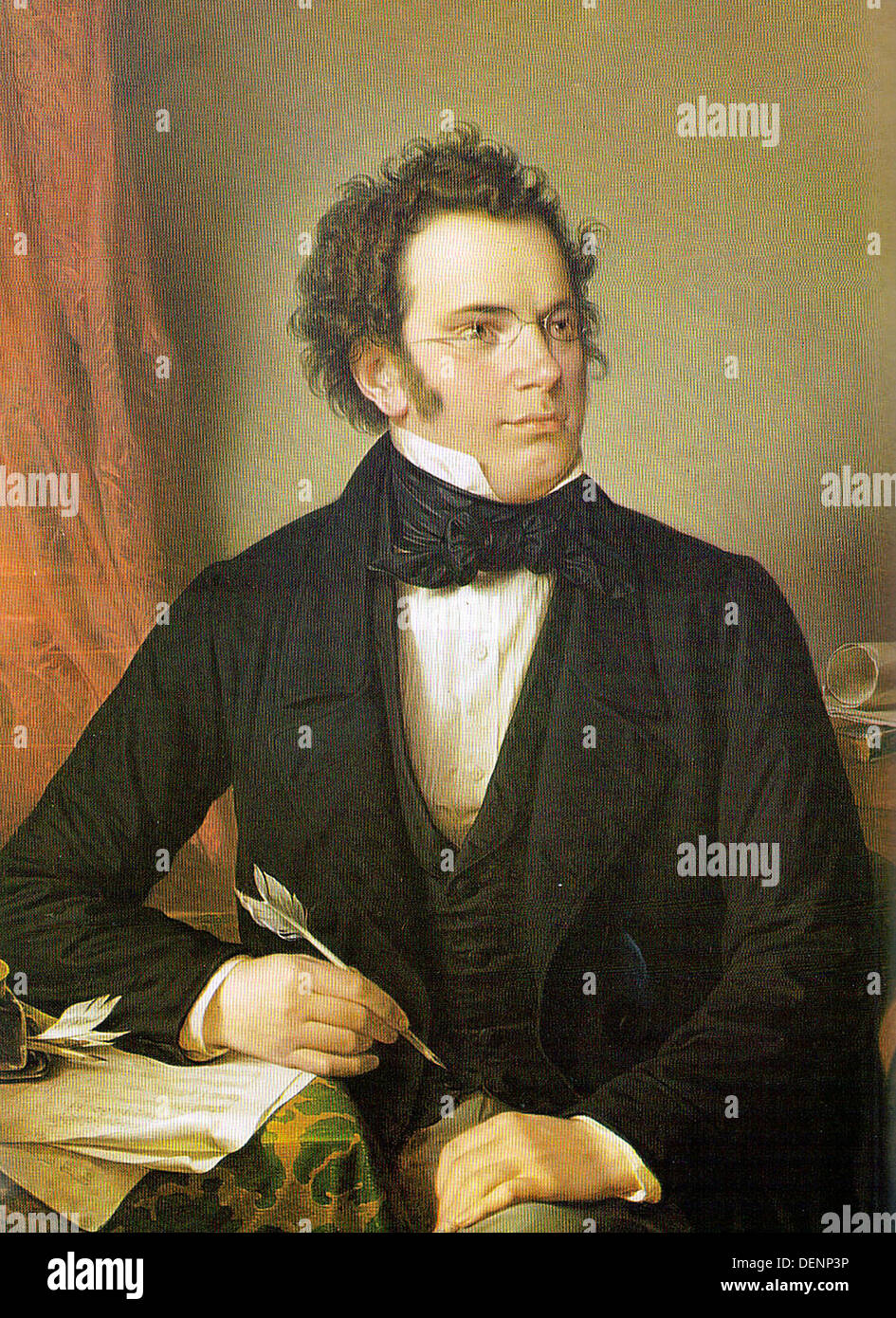
- Emotional Depth: Schubert’s ability to capture the nuances of the human condition through melody remains unparalleled.
- Structural Innovation: His works helped redefine the relationship between poetry and music, particularly in the development of the art song.
- Universal Appeal: His music continues to be a staple in conservatories and concert halls worldwide, ensuring his relevance in the 21st century.
By centering the 20th-anniversary celebrations on Schubert, the organizers in Girona successfully tapped into a universal language of beauty and melancholy, ensuring that the musical core of the event remained profound and impactful, regardless of the discussions surrounding formal etiquette.
Girona: A Growing Hub for the Classical Arts
The success of the anniversary celebration further solidifies Girona’s reputation as a vital node in the European cultural circuit. The city has increasingly become a destination for music lovers seeking high-quality performances in an intimate, historic setting.
As the city looks toward the next decade, the focus remains on sustaining the momentum generated by these milestone events. The integration of local talent with international standards of performance continues to be a primary goal for the region’s cultural administrators and musical directors.
Key Takeaways from the Anniversary Celebration
- Milestone Achievement: The event marked 20 years of significant musical contribution to the Girona region.
- Schubert as a Theme: The repertoire focused on the lyrical mastery of Franz Schubert, emphasizing his global importance.
- Protocol Discussion: The casual attire of official Lluc Salellas prompted a wider debate on the role of formality in classical music events.
- Cultural Resilience: The celebration demonstrated the continued strength and relevance of classical music in local Spanish culture.
As the musical community in Girona reflects on this landmark anniversary, the focus shifts toward future programming. The upcoming season is expected to continue the tradition of excellence, potentially introducing new works that balance historical reverence with contemporary innovation.
Next Scheduled Update: Official announcements regarding the upcoming seasonal concert schedule for Girona’s musical institutions are expected to be released in the coming months.
What are your thoughts on the role of formal protocol in classical music celebrations? Does modern casualness enhance or diminish the experience? Let us know in the comments below and share this article with your fellow music enthusiasts.
Worth a look