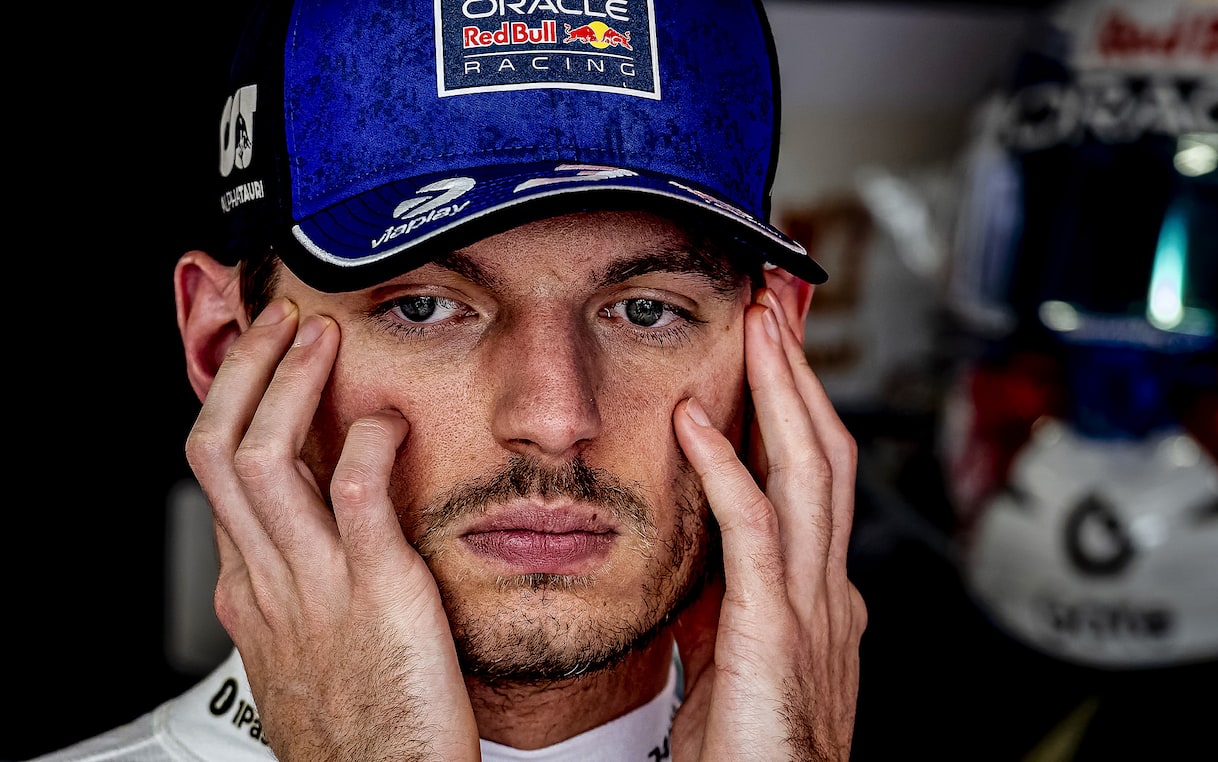
In the high-stakes environment of Formula 1, the intersection of technological advancement and driver well-being has become an increasingly tense focal point for the sport’s premier competitors. Max Verstappen, the reigning world champion, has recently voiced significant concerns regarding the sustainability of the current racing calendar and the evolving demands placed upon drivers. As the season progresses, his comments have sparked a broader conversation about whether the physical and mental toll of the modern F1 schedule is reaching a breaking point for those at the top of the grid.
For fans and industry observers, these remarks highlight a recurring tension between the commercial growth of Formula 1—driven by a record-breaking number of Grand Prix weekends—and the human element that remains the heart of the sport. Understanding the context of these concerns requires looking at the structural shifts in the FIA Formula 1 World Championship, which has seen an unprecedented expansion in global reach and event frequency in recent years. According to the FIA (Federation Internationale de l’Automobile), the governing body responsible for the sport’s regulations, managing the integrity of the competition alongside the welfare of participants is a primary objective as the calendar continues to evolve.
The Evolution of the F1 Calendar
The F1 schedule has undergone a dramatic transformation, moving toward a global footprint that tests the logistics and endurance of every team member. With the 2026 season well underway, the pace of travel and the intensity of the race weekends have become defining features of the championship. For a driver like Max Verstappen, whose performance is predicated on extreme focus and precision, the accumulation of travel days and high-pressure racing events can significantly impact his ability to maintain a competitive edge.
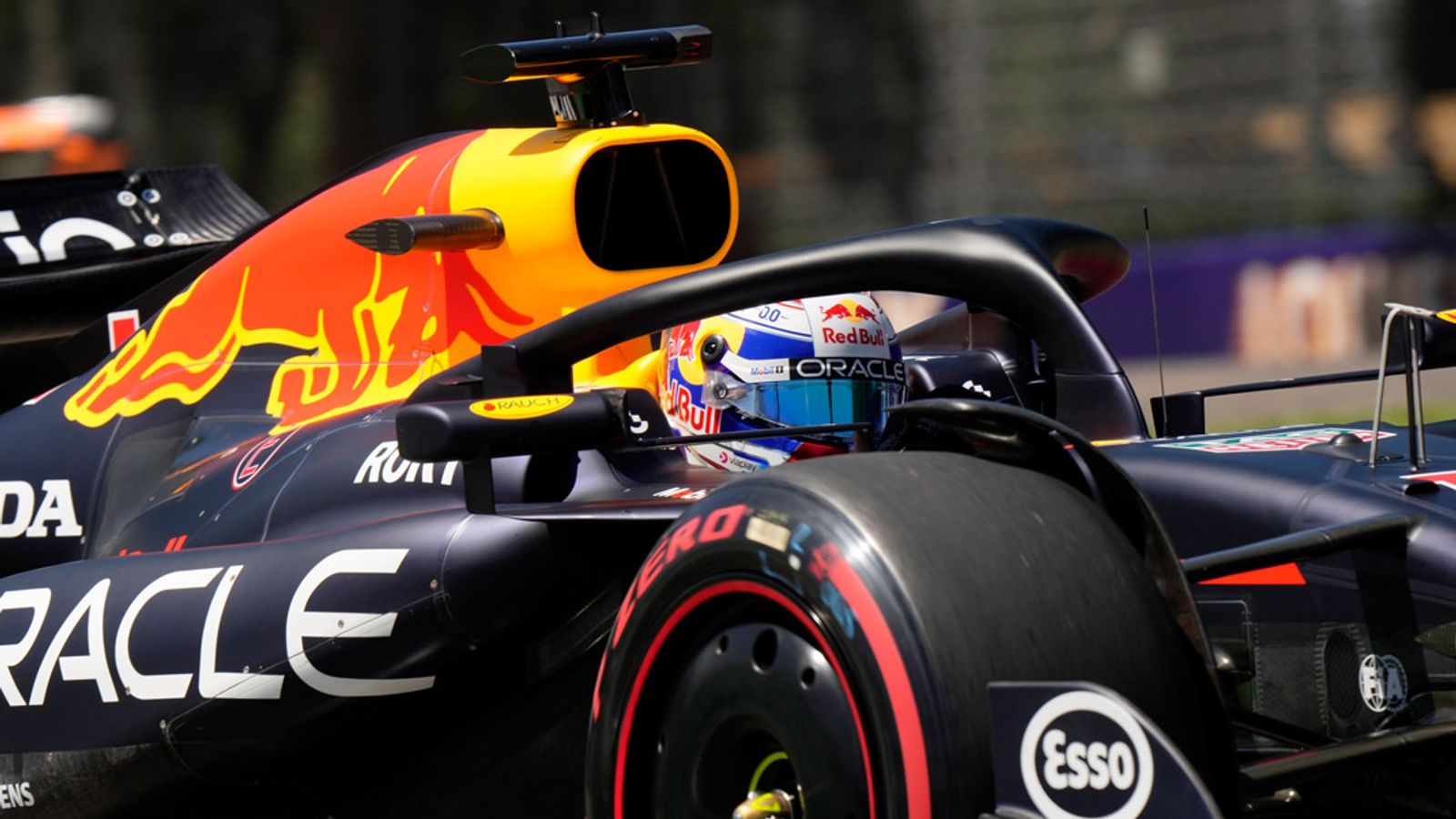
The Formula 1 official portal confirms that the sport continues to balance a mix of traditional European circuits with newer, high-profile international venues. This expansion is designed to capture growing global markets, yet it necessitates a travel schedule that has been a frequent subject of debate among drivers, mechanics, and team principals. The logistical complexity of moving personnel and equipment across continents in short intervals creates a unique strain that few other professional sports experience.
Driver Welfare in a High-Performance Sport
When athletes like Verstappen suggest that current conditions are becoming unsustainable, they are often pointing to the cumulative effect of constant travel, simulator work, and the intense media obligations that accompany every race weekend. Unlike seasonal sports that offer longer breaks, the F1 calendar is a relentless cycle. The physical demands of operating an F1 car, which involves managing significant G-forces and maintaining cognitive alertness for hours at a time, are well-documented in sports science literature.
The conversation regarding “sustainability” in this context is twofold. It refers not only to the environmental impact of the sport—a major focus for F1’s “Net Zero Carbon by 2030” initiative—but also to the human sustainability of the drivers. As noted in recent FIA media releases, the organization remains committed to evaluating the impact of the calendar on all stakeholders, including the drivers, to ensure the long-term viability of the championship.
Looking Ahead: The Path for Formula 1
As we head into the next phase of the 2026 championship, the dialogue between drivers and the sport’s leadership is expected to continue. The balance between maintaining the spectacle that fans expect and ensuring that the drivers who make the sport possible can perform safely and effectively is a delicate one. For the championship to thrive, it must address these concerns with transparency and a willingness to adapt.
The next major checkpoint for the sport will be the upcoming series of race weekends, where teams will continue to monitor driver feedback and physical performance metrics. For followers of the sport, staying informed through official channels remains the best way to track these developments as the season progresses. We invite our readers to share their thoughts on the balance between expansion and athlete welfare in the comments section below, and join us for our ongoing coverage of the 2026 F1 season as it unfolds.
Worth a look