
A newly unearthed letter, written by the late Diana, Princess of Wales, in 1981, has surfaced, offering a rare and candid glimpse into the private thoughts of the young royal during the early days of her marriage to King Charles III. The document, which is now slated for auction, captures a moment of domestic transition that challenges the public perception of the era, revealing her personal struggle with the constraints of London life and her candid reflections on her time away from the capital.
As we examine these historical artifacts, we find ourselves looking back at one of the most scrutinized periods in modern British history. The correspondence, addressed to a former school friend, provides a poignant contrast to the highly curated imagery that defined the 1981 royal wedding. For those of us who have followed the trajectory of the British monarchy for decades, such documents are essential for understanding the human reality behind the global icon.
The Complexity of Royal Transition
The letter highlights a sense of displacement that the then-Princess Diana felt shortly after her marriage. While the world watched the spectacle of the wedding, the private correspondence suggests a young woman navigating the isolation often associated with her new position. In these pages, she describes her discomfort with the atmosphere of London, contrasting it sharply with the relief she found during her time at Balmoral.

The official history of the Princess of Wales notes her significant impact on the monarchy and her dedication to humanitarian causes, yet it is these personal, handwritten notes that often provide the most profound insights into her character. The letter mentions a “blissful honeymoon” period, a term that carries weight given the subsequent public dissolution of the marriage, illustrating the stark difference between personal internal experiences and the external narrative of the time.
Historical Context: 1981
To understand the significance of this discovery, it is helpful to place the document within the timeline of the early 1980s. Princess Diana, born Diana Spencer, married the then-Prince of Wales on July 29, 1981, at St. Paul’s Cathedral. The event was viewed by a global television audience estimated at 750 million people, according to the BBC’s coverage of the royal wedding.
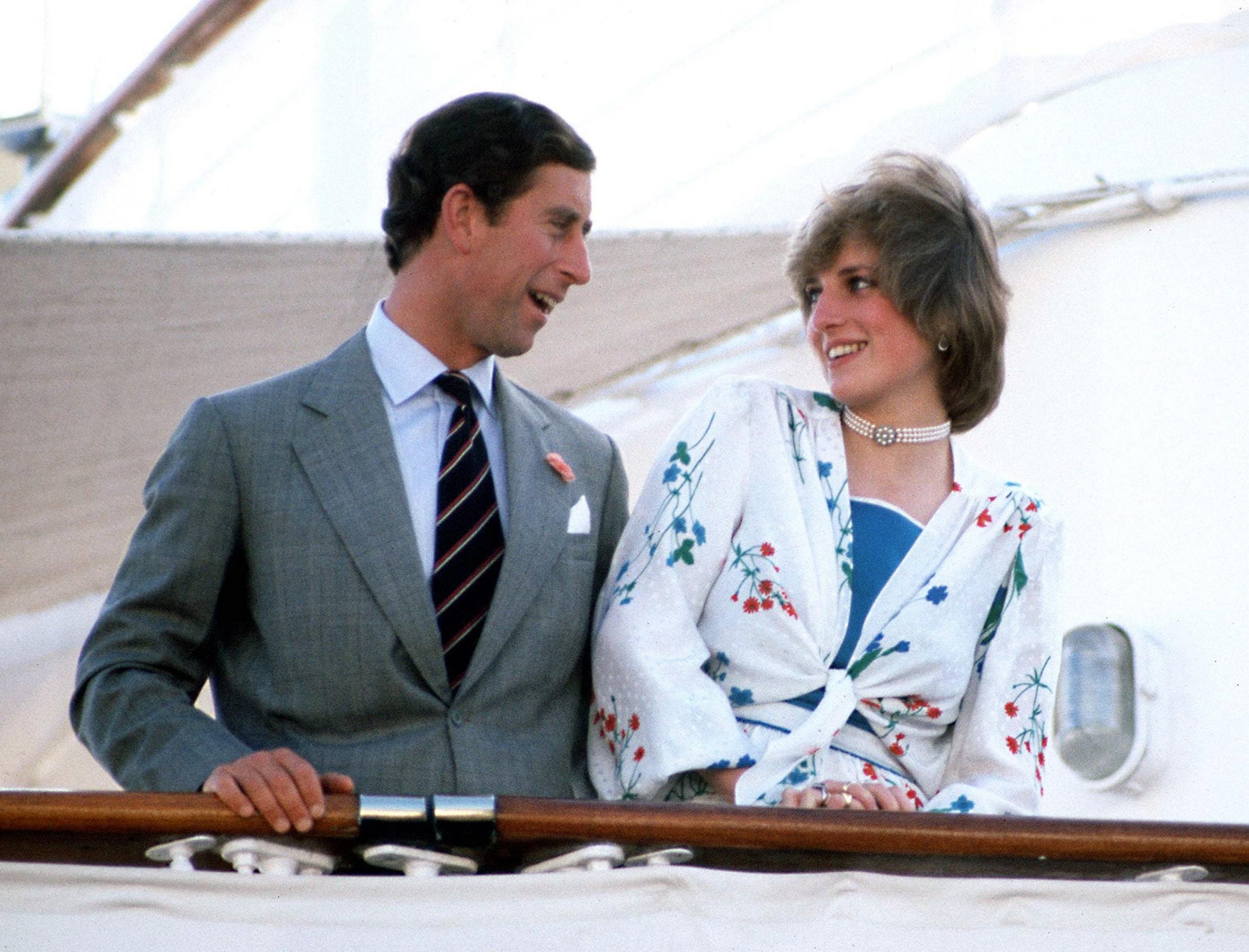
The letter, dated shortly after this period of intense public attention, serves as a bridge between the fairy-tale image cultivated by the press and the reality of a nineteen-year-old thrust into an ancient and demanding institution. The document’s upcoming appearance at auction is expected to draw significant interest from collectors and historians alike, as it represents a tangible link to a pivotal era in the history of the House of Windsor.
Key Insights from the Correspondence
- Dislike of London: The Princess explicitly mentions her lack of affinity for the capital city, which was then the center of her official duties.
- The Honeymoon Period: She reflects on the early days of her marriage with a sense of calm and contentment, particularly when removed from the pressures of the public eye.
- Friendship and Candor: The informal nature of the writing reflects her reliance on pre-existing friendships as a source of stability during her first months as a member of the Royal Family.
Why Private Correspondence Matters
In the digital age, where communication is often ephemeral, handwritten letters from figures of such historical stature provide a unique window into the past. For researchers and biographers, these documents are vital; they allow for a more nuanced understanding of the pressures faced by the Princess of Wales. The Royal Collection Trust maintains extensive records regarding the history of the monarchy, but it is the individual perspective—the personal voice found in letters like this one—that adds depth to the institutional record.

This discovery reminds us that even individuals who occupy the most public of stages possess a private life that is often far more complex than the headlines suggest. As this letter moves to auction, it invites the public to reconsider the narrative of 1981, moving beyond the pageantry to the individual experience of a woman who would eventually become known as the “People’s Princess.”
Looking Ahead
The auction of this letter is expected to proceed in the coming months, with prospective buyers and historical archives likely to compete for the piece. As with all documents of this nature, its provenance will be a key factor in its valuation and its ultimate home. For the public, the emergence of such a document is a reminder of the enduring fascination with the life and legacy of Diana, Princess of Wales.
We will continue to monitor the status of the auction and provide updates as further details regarding the document’s journey to the sale block are confirmed. In the meantime, we invite our readers to share their thoughts on the importance of preserving these personal historical records in the comments section below.
Worth a look