Commuter Disruption in Gurugram: Rapid Metro Services Halted Following Power Infrastructure Failure
In a significant disruption to public transit in the National Capital Region, the Rapid Metro system in Gurugram experienced a prolonged service suspension on Friday evening. The incident, which left dozens of passengers stranded, was precipitated by a major electrical failure at a local grid substation. As urban infrastructure in rapidly expanding cities like Gurugram faces increasing pressure, such events underscore the critical intersection between municipal power stability and the reliability of essential transit networks.
The service interruption, which lasted approximately 40 minutes, occurred during peak hours, forcing passengers to disembark from stalled trains and navigate the elevated tracks to reach safety. This event has renewed discussions regarding the redundancy protocols and emergency evacuation procedures currently in place for the Rapid Metro, a vital artery for the city’s corporate and residential sectors.
Infrastructure Failure: The Root Cause
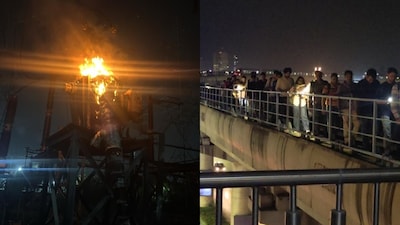
Preliminary investigations into the outage have pointed to a catastrophic failure of a transformer located in Sector 72. According to local utility officials, the incident was triggered by a technical fault that resulted in a transformer oil leak, subsequently leading to an explosion within the circuit. This failure compromised the local power grid, causing an immediate cascade effect that impacted the electrical supply necessary to power the traction systems of the Rapid Metro line.
While the utility department has initiated a technical audit to determine the precise sequence of events, the incident highlights the fragility of high-voltage equipment in high-density urban zones. The Dakshin Haryana Bijli Vitran Nigam (DHBVN), which oversees power distribution in the region, is currently tasked with ensuring that such critical failures do not recur, as the city’s growth continues to outpace existing grid capacity.
The Passenger Experience and Safety Protocols
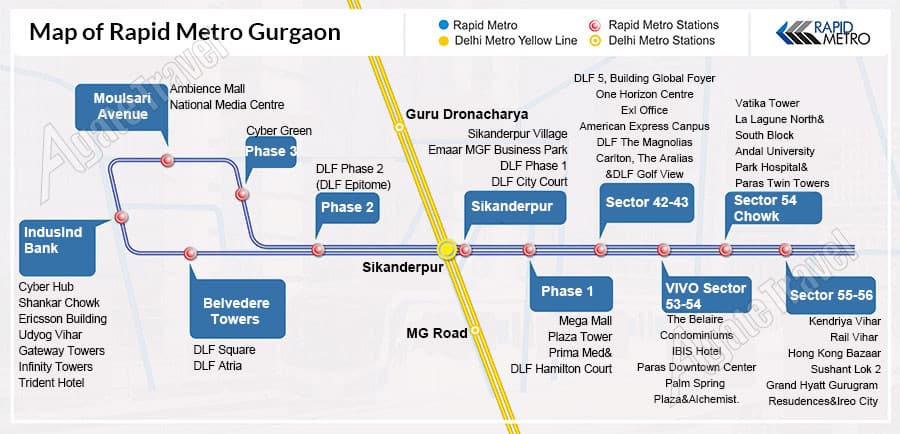
For those aboard the stalled trains, the experience was one of uncertainty. When the power failed, the automated systems brought the trains to a halt between stations. Under standard operating procedures for the Rapid Metro Gurugram, when a train is unable to reach a platform, passengers are typically guided by emergency personnel to walk along the designated trackside walkways.
While the evacuation was conducted without reports of major injuries, the sight of commuters walking on elevated tracks serves as a stark reminder of the risks involved in emergency transit management. Transit authorities are expected to review the communication protocols used during the incident to ensure that passengers are provided with timely information, which remains the most effective tool in preventing panic during such crises.
Urban Resilience in a Growing Metropolis
Gurugram has evolved into a global hub for technology and finance, yet its infrastructure is frequently tested by the demands of a massive daily workforce. The reliance on integrated transit systems like the Rapid Metro means that even localized electrical failures can have widespread economic and social consequences.

Moving forward, urban planners and transit operators are likely to face increased pressure to implement localized energy storage solutions and redundant power feeds. Ensuring that transit systems can maintain auxiliary power—specifically for lighting, ventilation, and communication—is a priority for the Haryana Mass Rapid Transport Corporation (HMRTC) as they oversee the long-term sustainability of the network.
Key Takeaways for Commuters
- Stay Informed: Always monitor official social media channels of the transit authority for real-time updates during service disruptions.
- Follow Instructions: In the event of an emergency evacuation, remain calm and wait for instructions from Metro staff before attempting to exit the carriage.
- Safety First: Never attempt to leave a train unless explicitly directed to do so by authorized personnel, as the third rail may still carry high-voltage electricity.
What Happens Next?
The immediate focus for local authorities is the restoration and reinforcement of the grid infrastructure in the Sector 72 area. A formal inquiry report regarding the transformer explosion is expected to be submitted to the state power regulatory commission in the coming week. This report will likely dictate the timeline for maintenance upgrades across other substations to prevent similar failures in the future.
As the situation develops, we encourage our readers to remain vigilant regarding official advisories. If you were affected by this disruption or have insights into how transit safety can be improved in Gurugram, we invite you to share your thoughts in the comments section below. Your experiences provide valuable context to the ongoing conversation about urban development and public safety.
Keep reading