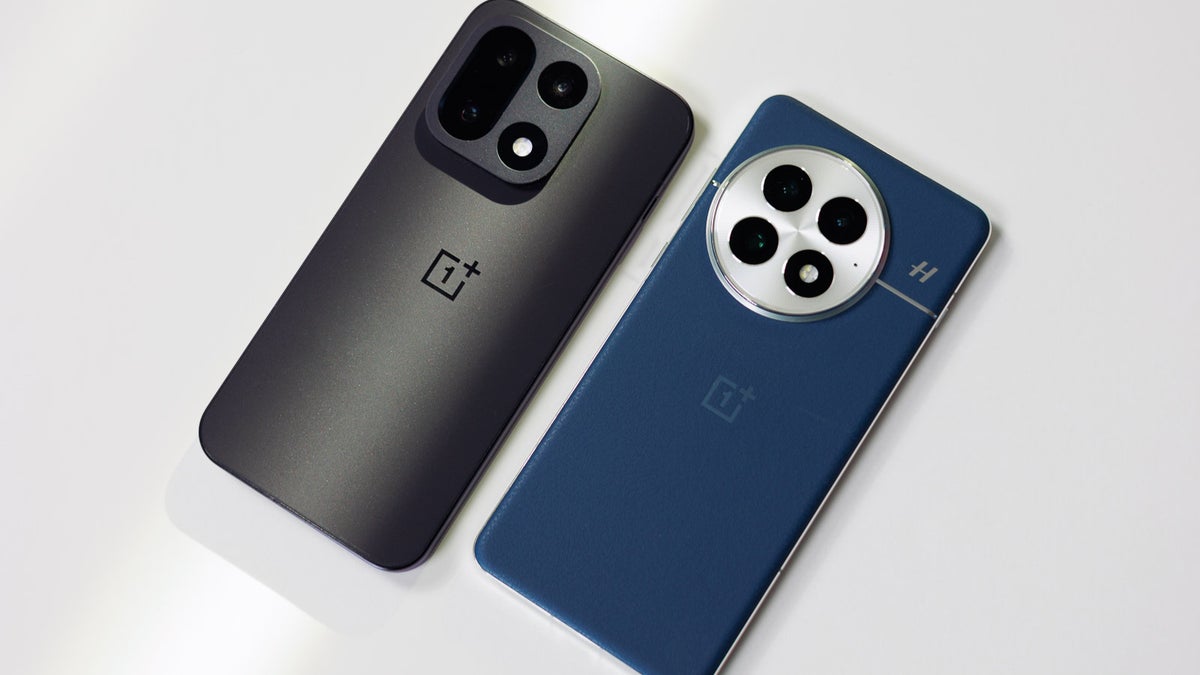
In the rapidly shifting landscape of mobile technology, few brands have sparked as much consumer loyalty—or as much intense debate—as OnePlus. Over the past decade, the company has transitioned from a niche “flagship killer” startup to a mainstream player within the BBK Electronics ecosystem. Recently, industry murmurs regarding the potential decline of OnePlus in the U.S. Market have intensified, leading many to wonder why a dedicated base of enthusiasts refuses to let go of a brand that, by some metrics, has moved away from its disruptive roots.
As a technology editor who has tracked the smartphone industry for nearly a decade, I’ve watched OnePlus navigate the transition from enthusiast darling to a broader, more corporate-aligned entity. While market share data suggests the company faces significant headwinds in the United States, the persistence of its user base is a fascinating case study in brand psychology. The reason you’re staying—or perhaps, why you’re still holding onto your OnePlus 12 or Open—says far more about the relationship between technology and the user than any spec sheet ever could.
The Evolution of the Flagship Killer
To understand the current sentiment surrounding OnePlus, one must look at its origins. Founded in 2013, the company initially gained traction by offering high-end hardware at aggressive price points, often utilizing invite-only systems to cultivate an air of exclusivity. According to official company history, the brand aimed to provide a premium experience without the premium price tag. For many early adopters, this wasn’t just about the hardware; it was about the community-driven development of OxygenOS, which offered a clean, near-stock Android experience that many users felt was superior to the heavily skinned versions offered by competitors.
However, the market has matured. As smartphone prices have climbed globally, OnePlus has shifted its strategy. The integration of its software development teams with OPPO, as announced in a 2021 corporate restructuring, marked a pivot point. For many legacy users, this signaled the end of the “enthusiast” era. Yet, despite these changes, the hardware remains competitive. Modern devices like the OnePlus 12 have consistently received high marks for battery longevity and charging speeds, often outperforming industry rivals in independent benchmarks.
Why the U.S. Market Remains a Challenge
The U.S. Smartphone market is notoriously difficult to penetrate, largely due to its reliance on carrier-based distribution. Unlike markets in Asia or parts of Europe, where unlocked, direct-to-consumer sales are more common, the U.S. Landscape is dominated by partnerships with major providers like T-Mobile, AT&T and Verizon. According to market analysis from Counterpoint Research, the premium segment (devices priced over $600) is heavily bifurcated between Apple and Samsung, leaving little room for smaller manufacturers to gain significant traction.
OnePlus has struggled to maintain the same level of retail presence it once enjoyed. While the company still releases devices in the U.S., the frequency of carrier promotions and physical store availability has fluctuated. This has led to a perception that the brand is being “killed off” or phased out. Yet, the data indicates that OnePlus maintains a persistent, if minor, footprint among power users who prioritize specific features—such as the Alert Slider or rapid charging technology—that they find lacking in the current offerings from dominant market players.
The Psychology of Brand Loyalty
Why do users refuse to abandon a brand even when market analysts predict its decline? The answer lies in the “sticky” nature of the user experience. Once a consumer has spent years acclimating to a specific software interface, the friction of switching ecosystems—moving from OxygenOS to another skin or a different OS entirely—can be significant. The brand’s early emphasis on community forums created a sense of belonging that few other manufacturers have successfully replicated.
For those who have been with the brand since the OnePlus One, the device is more than a piece of hardware; This proves a symbol of their early tech identity. Even as the company has pivoted toward mainstream appeal, the hardware quality has remained high enough that users feel little pressure to switch for performance reasons. In a market where smartphone innovation has largely plateaued, the “quality enough” threshold has been met, allowing brand sentiment to override minor software grievances.
What Comes Next for OnePlus Users
Looking ahead, the future of the brand in North America will likely depend on its ability to leverage its relationship with OPPO and its parent company, BBK Electronics, to drive innovation in foldables and AI integration. The OnePlus Open, for instance, has been widely cited as a strong contender in the foldable category, proving that the company can still compete at the highest level of hardware engineering.
For the average consumer, the choice remains simple: does the device meet your daily needs? If the answer is yes, the corporate maneuvering behind the scenes matters little. As we look toward the next product release cycle, scheduled for late 2024 and early 2025, the focus will be on whether OnePlus can continue to provide the software support and hardware reliability that its remaining U.S. Base demands.
The conversation around the “death” of a brand is often more about market share statistics than actual user reality. As long as the hardware continues to perform, the community will likely remain, regardless of what the broader retail market dictates. We will continue to monitor official filings and company announcements regarding upcoming U.S. Availability, and we invite you to share your experiences in the comments below: are you sticking with your OnePlus device, or have you finally made the jump to a new ecosystem?
Keep reading