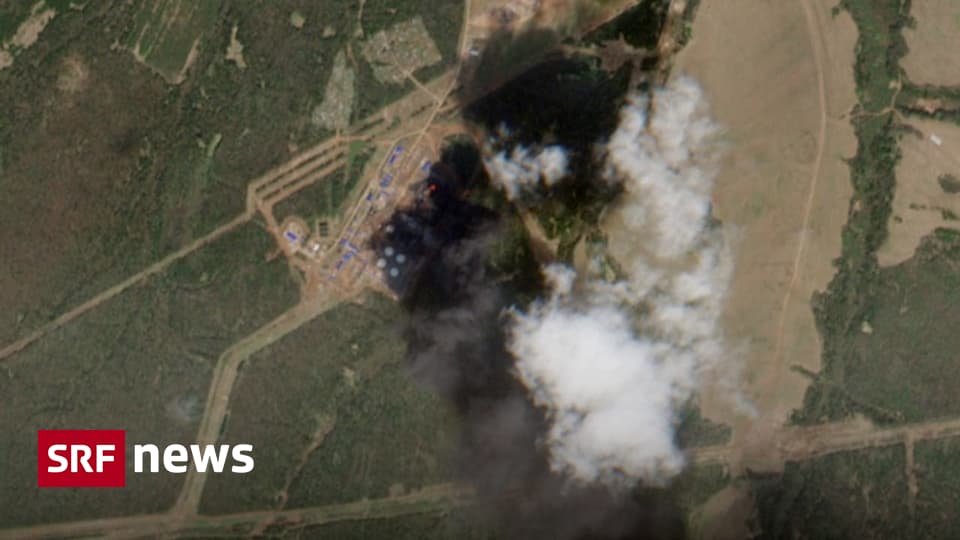
As the conflict in Ukraine continues to evolve, recent reports from the front lines indicate that Ukrainian forces have secured tactical gains while intensifying efforts to disrupt Russian military logistics. These developments mark a significant phase in the ongoing defense of Ukrainian territory, reflecting a shift in operational focus toward degrading the supply chains that support Russian frontline positions.
For international observers, these movements represent more than just territorial shifts; they underscore the persistent challenge of maintaining complex logistics in a high-intensity theater of war. The Ukrainian military’s recent success in targeting these supply networks is part of a broader strategy aimed at constraining the maneuverability and sustainability of occupying forces. According to updates from the U.S. Department of Defense, the ability to strike deep behind enemy lines remains a critical factor in the current state of the conflict.
Strategic Impact of Logistics Disruptions
The systematic targeting of Russian logistics, including fuel depots, ammunition storage, and transport hubs, serves a dual purpose. By limiting the flow of resources to the front, Ukrainian forces aim to reduce the intensity of artillery barrages and the mobility of armored units. This approach is consistent with established military doctrine, which emphasizes that an army’s combat effectiveness is directly tied to the robustness of its rear-area support.
While the tactical details of specific engagements remain fluid, the overall trend reflects a coordinated effort to force a strategic dilemma upon the Russian command. As noted in assessments by the Institute for the Study of War, the degradation of logistical nodes often precedes larger tactical repositioning, as units forced to operate with reduced supplies become increasingly vulnerable to counter-offensive maneuvers.
The Evolving Front Line
The reported territorial gains, while localized, are significant in the context of the current operational environment. These successes often involve small-unit actions designed to exploit weaknesses in defensive lines. For the local population, these shifts bring both the uncertainty of the front line and the potential for liberation from ongoing occupation. The United Nations Office of the High Commissioner for Human Rights continues to monitor the humanitarian situation, noting that civilian safety remains the paramount concern as combat zones shift.
The persistence of these operations highlights the resilience of Ukrainian forces despite the immense pressure of a protracted conflict. The use of advanced technological tools—including reconnaissance drones and precision-guided munitions—has become a hallmark of this phase of the war, allowing for a more surgical application of force compared to traditional artillery-heavy engagements.
Looking Ahead: The Path Forward
The situation remains dynamic, and international stakeholders are closely watching the impact of these logistical strikes on the overall pace of the war. With the conflict now well into its third year, the focus for both sides has increasingly centered on sustainability and the ability to replenish capabilities faster than they are depleted. The international community, through various European Union support initiatives, continues to provide the necessary aid to sustain Ukraine’s defensive efforts.

As we head into the coming weeks, the primary indicators to watch will be the stability of these newly held positions and the extent to which Russian forces can adapt their logistical tail to mitigate further disruption. There is no clear end in sight, and the situation on the ground remains subject to rapid change based on weather, equipment availability, and strategic decisions made in both Kyiv and Moscow.
We will continue to provide updates as verified information becomes available regarding the situation on the front. Please share your thoughts or questions in the comments section below, and stay tuned to World Today Journal for further coverage on this developing global story.
Worth a look