
In a significant and somber development for the Catholic Church in Peru, high-ranking representatives have issued a formal, public apology to victims of the Sodalitium Christianae Vitae (SCV), an organization that has faced long-standing allegations of physical, psychological, and sexual abuse. The act of contrition, marked by the symbolic gesture of bishops and cardinals kneeling before those who suffered, represents a pivotal moment in the ongoing efforts to address historical grievances and systemic failures within the institution.
The apology follows years of scrutiny regarding the Sodalitium, a movement founded in Peru in 1971. The Vatican has been deeply involved in investigating the allegations, leading to the intervention of the Holy See and the eventual suppression of the organization’s founder, Luis Figari, in 2024. This latest act of public repentance by church leadership signifies a shift toward transparency and the acknowledgment of the profound harm inflicted upon survivors and local communities, including those affected by land disputes linked to entities associated with the Sodalitium.
A Public Gesture of Reparation
The recent events in Peru have been characterized by an explicit commitment to reform and reconciliation. During a series of meetings with affected individuals, including farmers and representatives of indigenous groups who have long sought justice for the loss of their lands, church officials formally requested forgiveness. This gesture was not merely symbolic; it was framed as a necessary step toward the structural renewal of the Catholic Church in the region. According to reports from the Holy See’s official communication channels, the delegation emphasized that the Church must prioritize the dignity of the victim over the preservation of institutional reputation.
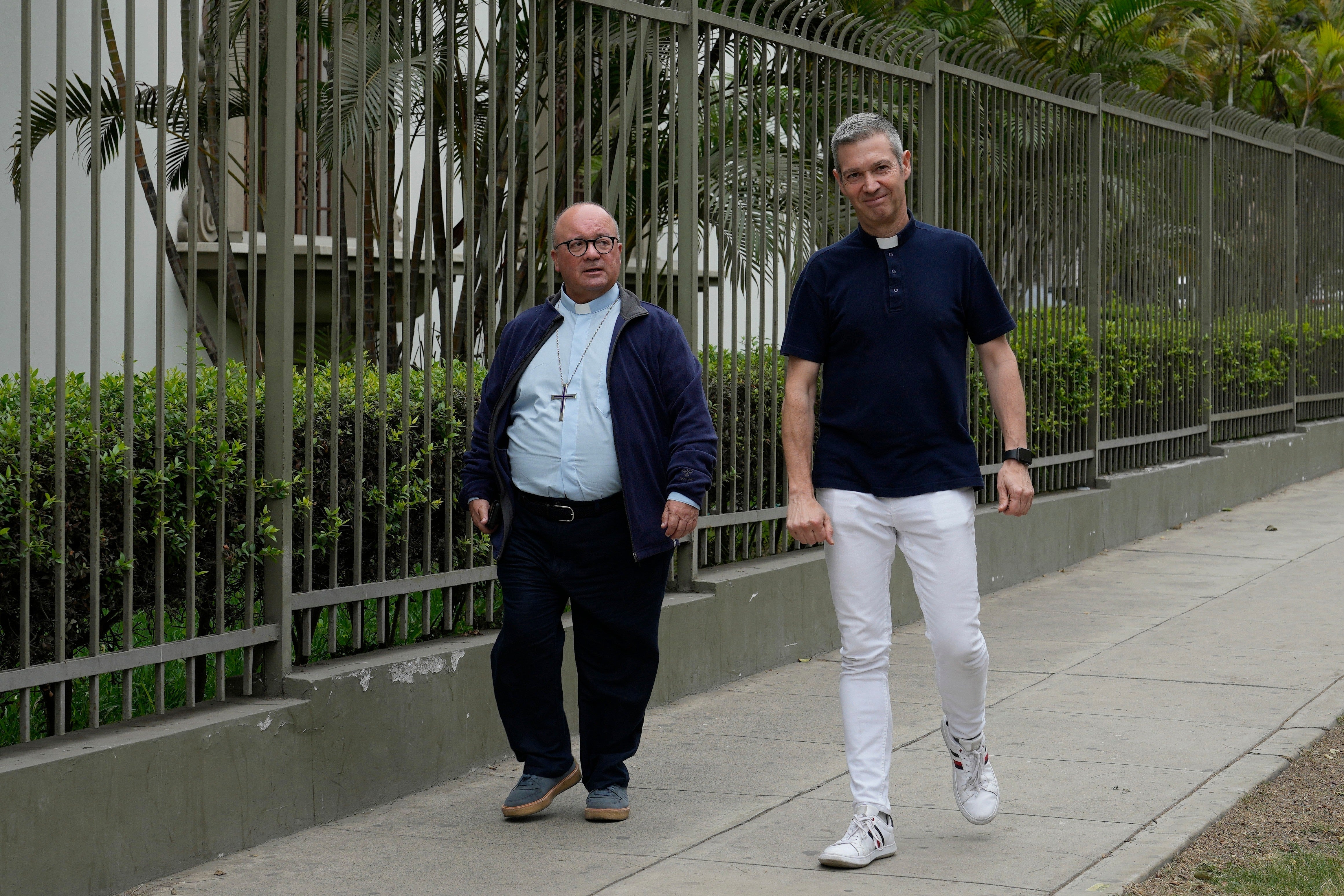
The involvement of Monsignor Jordi Bertomeu, an official from the Dicastery for the Doctrine of the Faith, has been central to this process. His presence has been interpreted by observers as a direct signal from Pope Francis that the Vatican is committed to resolving the crisis surrounding the Sodalitium. The commitment to “renew the Church” serves as a foundational pillar for the current ecclesiastical strategy in Peru, which seeks to distance the institution from the abuses of the past while providing a platform for survivors to be heard.
Addressing Historical Grievances and Land Disputes
Beyond the abuse allegations, the Church’s apology has extended to broader social issues, specifically the despoilment of land that has impacted rural and indigenous populations. These conflicts often involve companies and entities that have maintained financial or structural ties to the Sodalitium. The public acknowledgment of these injustices reflects a broader effort by the Church to address how its influence has historically intersected with corporate interests to the detriment of local communities.
The legal and social dimensions of these land disputes remain complex. As documented by the Holy See’s ongoing investigations, the process of restitution and legal resolution is expected to continue for the foreseeable future. The Church’s current stance is to cooperate with judicial authorities to ensure that the rights of those who were displaced or exploited are upheld, marking a departure from the perceived indifference of previous decades.
Key Takeaways for the Global Community
- Systemic Accountability: The Vatican’s intervention in the Sodalitium case underscores a global move toward stricter oversight of lay movements and religious societies.
- Focus on Survivors: The shift from legalistic defense to public apology indicates a change in how the Church approaches allegations of abuse, placing victim testimony at the center of the investigative process.
- Broader Scope of Harm: The inclusion of land rights and indigenous displacement in the apology highlights the intersectionality of human rights issues involving religious organizations.
- Ongoing Reform: The process is not viewed as a singular event but as part of a long-term strategy to reform internal governance and ethical standards within the Peruvian Church.
What Happens Next
The situation in Peru remains fluid, with several legal and ecclesiastical proceedings still active. Victims and their families continue to engage with the Vatican’s special envoys to ensure that the promises of reform are translated into concrete actions. The next major checkpoint will involve the implementation of further structural changes within the Peruvian dioceses, as mandated by the Vatican’s oversight committees.
As the Church moves forward, the global community will be watching to see how effectively these commitments to transparency and justice are maintained. For those seeking official updates or wishing to follow the progress of the investigations, the Vatican Press Office remains the primary source for verified documentation regarding these interventions. We invite our readers to join the conversation below and share their perspectives on the importance of this historic shift in accountability.
Worth a look