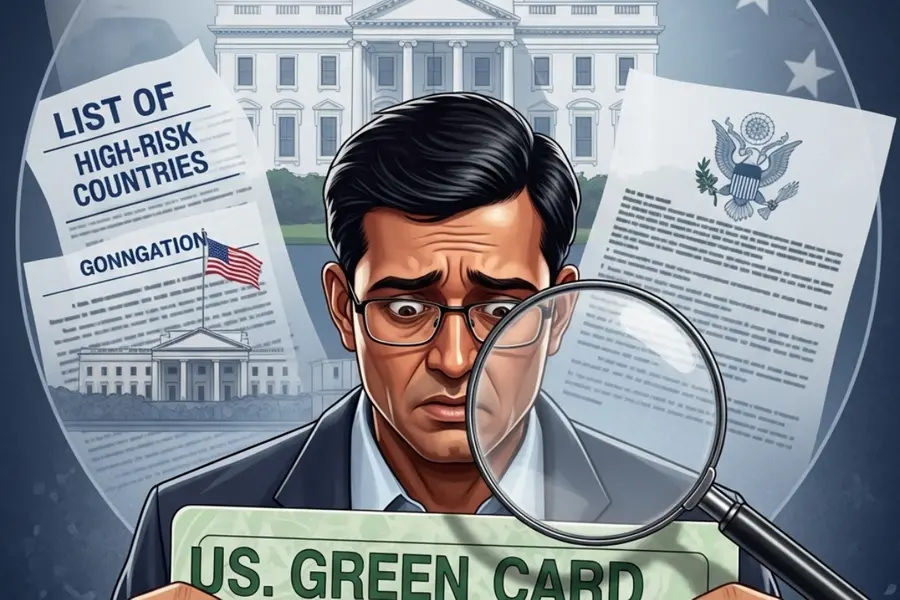
WASHINGTON, D.C. — The U.S. Department of Homeland Security (DHS) has implemented sweeping changes to the green card application process that require many current and prospective immigrants to return to their home countries to complete their petitions, a policy shift that has left thousands in legal limbo and sparked widespread concern among advocacy groups and legal experts.
Announced without prior public consultation, the new rules—effective immediately—mark a dramatic departure from decades of practice, where green card adjustments of status could be processed domestically. Under the revised policy, applicants in the U.S. Must now apply for permanent residency abroad through consular processing, a move that could force hundreds of thousands of lawful residents to temporarily leave the country or risk losing their eligibility.
The changes come amid heightened political rhetoric around immigration enforcement, with DHS officials framing the shift as necessary to “restore integrity” to the legal immigration system. However, legal scholars and immigrant rights organizations warn the policy could disproportionately affect vulnerable populations, including long-term residents with medical conditions, elderly applicants, and those with deep community ties in the U.S. The abrupt implementation has also raised questions about due process, as affected individuals scramble to understand how the new rules apply to their cases.
Key Changes to the Green Card Application Process
The most significant alteration is the mandatory consular processing requirement for all green card applicants currently in the U.S., regardless of their visa category or length of residence. Previously, many applicants—particularly those with family-based or employment-based petitions—could adjust their status domestically through U.S. Citizenship and Immigration Services (USCIS). Under the new policy, even long-term green card holders with pending applications must now apply at a U.S. Embassy or consulate in their home country.
Additional provisions include:
- Strict public charge determinations: The Trump administration has reinstated and expanded the “public charge” rule, which could deny green cards to immigrants who have used certain government benefits, such as Medicaid, Supplemental Nutrition Assistance Program (SNAP), or housing assistance. The rule now applies more broadly to include non-cash benefits like school lunches and emergency medical treatment.
- Increased scrutiny of employment authorization: Applicants must now demonstrate continuous employment and financial self-sufficiency, with DHS reserving the right to deny petitions based on perceived “undue hardship” to U.S. Taxpayers.
- Accelerated processing timelines: While DHS has not yet released specific processing times for consular applications, legal experts anticipate delays due to increased backlogs at embassies and consulates worldwide.
Critics argue the policy change is unconstitutionally punitive, particularly for lawful permanent residents (LPRs) who have lived in the U.S. For years. “This is a fundamental violation of due process,” said Maria Rodriguez, policy director at the American Immigration Council. “Forcing people to leave the country they’ve built lives in—where they work, pay taxes, and raise families—is not only cruel but legally questionable.”
Who Is Affected by the New Rules?
The policy impacts a broad spectrum of immigrants, but certain groups face heightened risks:
1. Long-Term Green Card Applicants
Individuals with pending adjustment of status (AOS) applications—particularly those in employment-based or family-based categories—must now abandon their domestic petitions and reapply consularly. This includes:
- Spouses and children of U.S. Citizens or green card holders with pending I-130 petitions.
- Professionals holding H-1B, L-1, or other work visas with approved I-140 petitions.
- Asylees and refugees with pending applications for permanent residency.
2. Vulnerable Populations
Groups such as elderly applicants, individuals with disabilities, and those with serious medical conditions may face particular hardships under the new rules. Consular processing often requires in-person interviews and medical examinations, which can be inaccessible for those with mobility issues or chronic illnesses. The public charge rule could disproportionately affect low-income applicants who rely on government assistance to manage health conditions.
3. Undocumented Immigrants with Pending Cases
While the policy officially targets lawful residents, legal experts warn that undocumented immigrants with pending asylum or special immigrant juvenile (SIJ) status cases may also be indirectly affected. Some advocates fear the changes could create a chilling effect, discouraging individuals from pursuing legal pathways due to the uncertainty of consular processing.
Legal Challenges and Unanswered Questions
The abrupt rollout of the policy has left many questions unanswered, including:
- Retroactivity: Will the new rules apply to applications already in process? DHS has not issued clear guidance, leaving applicants in limbo. Some legal firms are advising clients to withdraw pending domestic petitions to avoid potential denials.
- Travel bans: Will applicants be allowed to re-enter the U.S. After consular processing, or could they face unlawful presence bars?
- Public charge exemptions: How will DHS handle cases involving applicants with pre-existing medical conditions or dependents who rely on government benefits?
Multiple lawsuits have already been filed challenging the policy’s constitutionality. The Electronic Frontier Foundation (EFF) and the ACLU are leading efforts to argue that the rule violates the Fifth Amendment’s due process clause by retroactively altering the terms of lawful immigration status. Hearings in these cases are expected to begin in late June 2026, with rulings potentially following by early fall.
What Applicants Should Do Now
Given the uncertainty, immigration attorneys recommend the following steps for affected individuals:
- Consult an accredited immigration lawyer: The complexity of the new rules makes DIY applications riskier. Organizations like the American Immigration Lawyers Association (AILA) offer directories of qualified attorneys.
- Gather comprehensive documentation: Applicants must prepare evidence of continuous residence, financial stability, and ties to their home country (e.g., property ownership, family relationships).
- Monitor DHS updates: The agency has not yet provided detailed guidance on consular processing timelines or public charge exemptions. Applicants should check DHS news releases and USCIS updates regularly.
- Explore waivers or hardship claims: Certain applicants—such as those with U.S. Citizen spouses or children—may qualify for exceptions. Legal aid organizations can provide case-specific advice.
For those unable to afford legal representation, nonprofits such as the Immigrant Legal Resource Center (ILRC) and local legal clinics offer pro bono assistance.
Broader Implications for U.S. Immigration Policy
The green card overhaul is part of a broader crackdown on immigration under the Trump administration, which has also expanded the public charge rule to include more benefits and tightened enforcement at the border. Critics argue these measures are designed to deter immigration, while supporters claim they are necessary to protect U.S. Workers and taxpaying citizens.
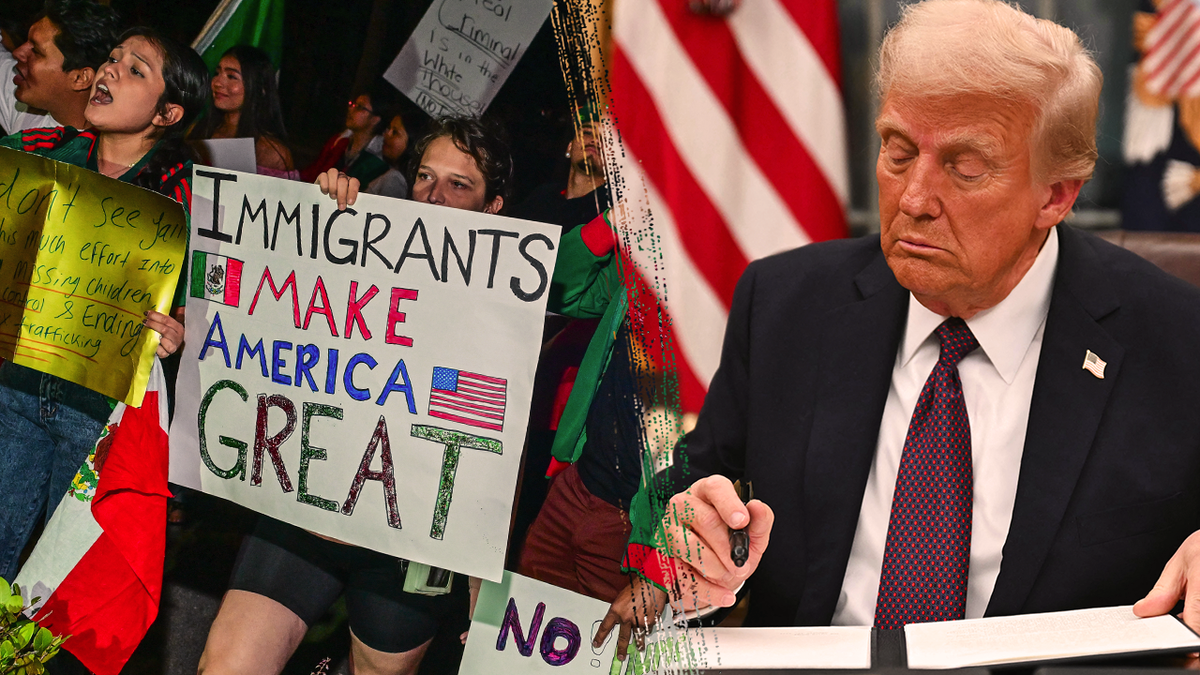
Legal experts warn that the policy could have long-term consequences for the U.S. Economy, particularly in sectors like healthcare, agriculture, and technology that rely on immigrant labor. A 2025 study by the National Bureau of Economic Research (NBER) found that restrictive immigration policies could reduce GDP growth by up to 0.5% annually due to labor shortages.
Next Steps: What to Watch For
The next critical developments will include:
- June 2026: Deadline for initial legal challenges to be heard in federal courts. Rulings could either uphold the policy or force temporary pauses.
- July–August 2026: Expected release of updated consular processing forms and guidance from the State Department.
- Fall 2026: Potential congressional hearings on the policy’s impact, with bipartisan calls for oversight likely to intensify.
In the meantime, applicants are urged to act swiftly. “This is a moving target,” said Sarah Chen, an immigration attorney in Los Angeles. “The longer you wait, the more risks you take—whether it’s losing your eligibility or facing unintended travel bans.”
Reader Resources and Further Reading
For official updates and additional guidance, visit:
- U.S. Department of Homeland Security (DHS) Immigration Page
- USCIS Green Card Information
- U.S. State Department Immigrant Visas
- AILA’s Consular Processing Resources
Have you been affected by these changes? Share your experience or questions in the comments below. For personalized legal advice, consult an accredited immigration attorney.
- Why Modern Dating Is Hard for Both Men and Women: What the Data Reveals
- FC Red Bull Salzburg vs. TSV Hartberg: Bundesliga 2026-27 Match Photo
- White-Tailed Eagles Return to Exmoor National Park After 200 Years (news-usa.today)
- Tokushima Legal Professionals Collaborate on Law in Practice Initiative (archyde.com)