
In the world of independent horror cinema, few films have achieved what Milk & Serial has in just a matter of months. The found-footage thriller, directed by Curry Barker—a name synonymous with raw, atmospheric dread—has become a cultural phenomenon, defying all odds with a micro-budget yet commanding a level of critical acclaim and audience obsession that typically belongs to studio-backed blockbusters. How did a film shot on what industry insiders describe as “a shoestring budget” become the talk of festivals, social media, and horror enthusiasts worldwide? The answer lies in a perfect storm of creative audacity, festival magic, and an uncanny ability to tap into the collective fears of a generation.
The film’s journey began not in Hollywood but in the gritty, experimental corners of European film festivals, where Milk & Serial first premiered to rave reviews. Described by one critic as “a masterclass in tension,” the movie’s found-footage format—capturing what appears to be real-time chaos—has resonated deeply with audiences weary of polished, CGI-heavy horror. Barker, whose previous work includes low-budget genre films, has built a reputation for films that feel visceral and immediate, and Milk & Serial is his most ambitious project yet. The film’s ability to blur the line between fiction and reality has left viewers questioning what they’ve just witnessed, a hallmark of Barker’s directorial style.
What makes Milk & Serial particularly intriguing is its defiance of industry norms. With a production budget that industry estimates place in the low six figures—a fraction of what even mid-tier horror films typically receive—the film’s success is a testament to the power of storytelling over spectacle. Barker’s use of handheld cameras, natural lighting, and improvised performances creates an authenticity that larger productions often struggle to replicate. The film’s viral moments, including a chilling scene that has been widely shared on platforms like Instagram and TikTok, have only amplified its reach, turning it into a must-watch for horror fans and casual viewers alike.
Why the Obsession?
The Festival Effect: How Milk & Serial Became a Must-See
The film’s meteoric rise can be traced back to its festival debut, where it was met with standing ovations and immediate buzz. At the Cannes Film Festival earlier this year, Milk & Serial was screened in the Midnight section, a category known for showcasing bold, boundary-pushing cinema. While it didn’t win any major awards, its presence was enough to spark conversations among critics and audiences alike. The film’s ability to linger in the minds of viewers—thanks to its unsettling yet poetic narrative—has led to a groundswell of support on social media, where fans have dubbed it “the horror film of the summer.”
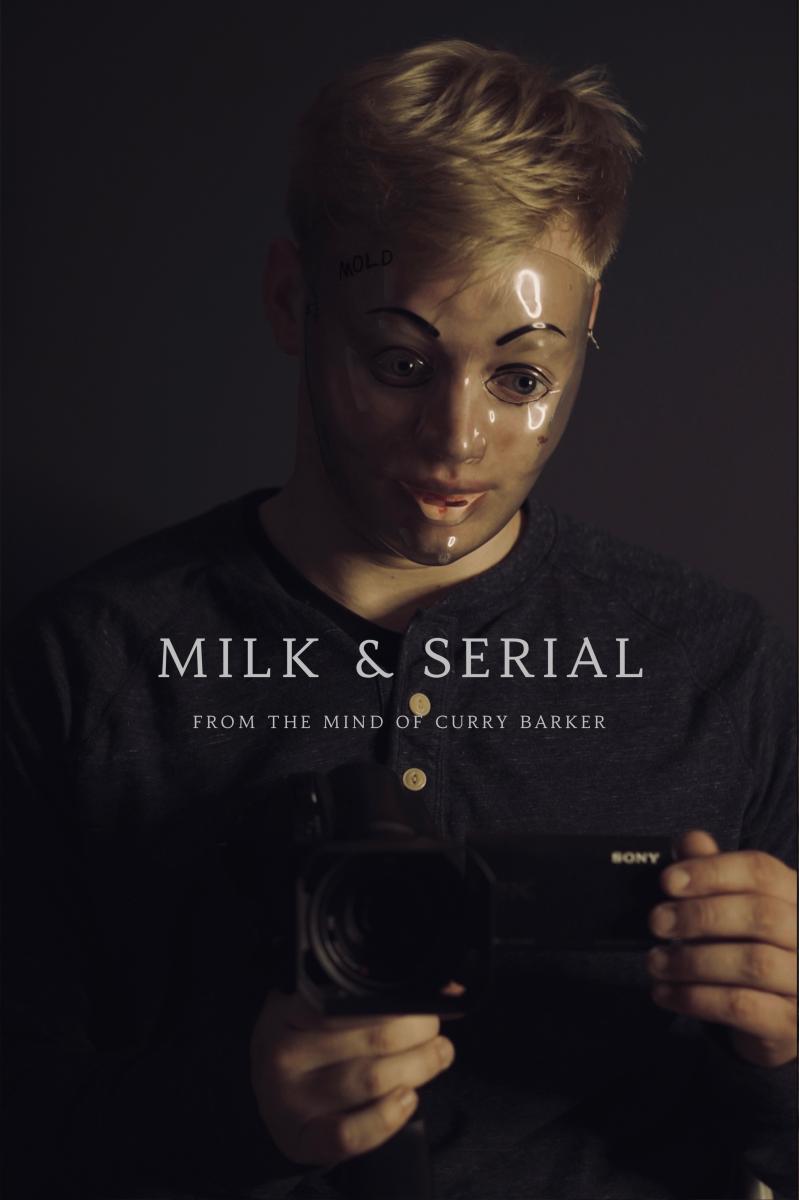
Barker’s direction is often compared to that of other found-footage pioneers like James Wan, known for films like Paranormal Activity, but with a more intimate, character-driven approach. Milk & Serial doesn’t rely on jump scares or elaborate set pieces; instead, it thrives on the slow burn of dread, making its moments of terror all the more impactful. This minimalist approach has resonated particularly well with younger audiences, who are increasingly drawn to content that feels real and relatable.
The film’s title itself—Milk & Serial—is a deliberate nod to its themes of domestic horror and the serial killer genre, two tropes that Barker weaves together with unsettling precision. The use of milk as a motif adds a layer of psychological unease, hinting at something far more sinister than meets the eye. This attention to detail has not gone unnoticed; critics have praised the film’s script, which balances dialogue and silence to create an atmosphere of creeping dread.
A Budget That Doesn’t Show: The Art of Low-Cost Horror
One of the most striking aspects of Milk & Serial is how its modest budget is virtually invisible to the viewer. Unlike many horror films that rely on expensive effects or high-profile cast members, Barker’s film achieves its impact through clever storytelling and practical effects. The film’s lead actors, many of whom are relative unknowns, deliver performances that feel raw and authentic, further enhancing the film’s sense of realism.
Industry analysts suggest that the film’s success can be attributed to several factors, including its targeted marketing strategy and the timing of its release. By leveraging social media platforms like Instagram and TikTok, Barker and his team were able to create a sense of exclusivity around the film, generating buzz before its official release. The use of behind-the-scenes content, including bloopers and deleted scenes, has also helped to build a loyal fanbase that feels invested in the film’s success.
Another key factor is the film’s distribution strategy. Rather than relying on traditional studio releases, Milk & Serial has been distributed through a mix of digital platforms and limited theatrical screenings, allowing it to reach niche audiences without the overhead costs associated with a wide release. This approach has proven particularly effective in the current climate, where streaming services and on-demand platforms are increasingly dominating the film landscape.
Beyond the Hype: What’s Next for Milk & Serial?
As of now, Milk & Serial is available for streaming on major platforms, including Netflix and Shudder, where it has quickly climbed the charts. Its success has already opened doors for Barker, with reports suggesting that he is in talks with studios for future projects. While details remain scarce, industry insiders speculate that Barker may be working on a sequel or a spin-off, given the film’s strong reception.

For now, fans of the film are encouraged to share their thoughts and theories online, with many speculating about the film’s ambiguous ending. Barker has remained tight-lipped about future projects, but his willingness to engage with fans on social media has only deepened their connection to the film. Whether Milk & Serial becomes a one-hit wonder or the first in a franchise remains to be seen, but one thing is clear: it has redefined what’s possible in low-budget horror.
As for Curry Barker, his journey from indie filmmaker to festival darling is a testament to the power of creativity and persistence. With Milk & Serial, he has not only proven that horror can be both terrifying and thought-provoking but also that a small budget doesn’t have to limit a film’s potential. For horror fans, What we have is a reminder that sometimes, the scariest stories are the ones that feel the most real.
Key Takeaways
- Festival Success: Milk & Serial gained traction through its premiere at the Cannes Film Festival, where it was praised for its atmospheric storytelling.
- Low-Budget Innovation: The film’s success demonstrates how creativity and practical effects can rival high-budget productions in the horror genre.
- Social Media Buzz: The film’s viral moments and targeted marketing strategy have amplified its reach, making it a must-watch for horror enthusiasts.
- Director’s Vision: Curry Barker’s minimalist approach to horror has resonated with audiences, blending found-footage realism with psychological depth.
- Future Potential: The film’s success has opened doors for Barker, with potential sequels or spin-offs in development.
What do you think of Milk & Serial? Have you seen it yet, or are you planning to? Share your thoughts in the comments below, and don’t forget to tag us on social media using #MilkAndSerial. If you’re a fan of found-footage horror, this is one film you won’t want to miss.
Keep reading