
In the landscape of automotive engineering, few projects capture the imagination quite like the “Fabia Super 2000” and its successors, which represent the pinnacle of Czech rally innovation. For enthusiasts and industry analysts alike, the legacy of these high-performance machines remains a subject of intense study. While legends of 500-horsepower “specials” often circulate in enthusiast circles, the reality of the Škoda Fabia’s competitive history is rooted in a rigorous, factory-backed evolution that transformed a humble supermini into a dominant force on the global stage.
The journey of the Škoda Fabia in motorsport is defined by its strategic transition into the Super 2000 (S2000) category. Established by the FIA to prioritize cost-effective but high-performance competition, the S2000 regulations mandated naturally aspirated engines and four-wheel drive systems. According to official records from the Škoda Motorsport archive, the Fabia S2000 made its debut in 2009, quickly establishing itself as a benchmark in the Intercontinental Rally Challenge (IRC) and the FIA European Rally Championship.
The Evolution of a Rally Icon
To understand why the Fabia remains a case study in automotive engineering, one must look at the technical specifications that defined its success. Unlike the speculative figures often found in internet forums—which frequently conflate road-going modifications with professional race-spec vehicles—the authentic S2000 machine utilized a 2.0-liter naturally aspirated engine. This powertrain was designed for reliability and torque delivery, essential for the varied terrain of international rallying. The engineering team at Mladá Boleslav focused on chassis rigidity and weight distribution, ensuring the vehicle remained competitive against larger manufacturers.
The transition from the S2000 to the subsequent R5 classification marked a significant shift in the brand’s economic and sporting strategy. By 2015, the FIA (Fédération Internationale de l’Automobile) introduced the R5 category, which allowed for 1.6-liter turbocharged engines. This shift was not merely a change in hardware; it was a response to global market trends favoring smaller, high-output engines. The resulting Fabia R5 became one of the most commercially successful rally cars in history, with hundreds of units sold to privateer teams worldwide, proving that a factory-supported platform could sustain a robust business model for nearly a decade.
Engineering Beyond the Spec Sheet
The allure of the “mysterious special” often stems from the gap between mass-produced vehicles and the bespoke engineering required for professional rally teams. While a standard road-going Fabia is designed for urban efficiency and consumer safety, the rally-bred versions undergo a complete transformation. This process involves the installation of a full tubular roll cage, a sequential gearbox, and specialized suspension geometry that bears little resemblance to the consumer model.
For the business observer, the Škoda Motorsport model offers a masterclass in brand leverage. By maintaining a consistent presence in the World Rally Championship (WRC2) and regional series, the company has effectively translated race-track success into brand equity. As noted in Volkswagen Group corporate reports, the motorsport division serves as an essential R&D laboratory, testing components under extreme conditions that would be impossible to replicate in a standard testing facility.
Why the Legend Persists
Why do these stories of 500-horsepower Fabias persist? The answer lies in the democratization of performance. Because the Škoda brand has consistently provided a platform that is both accessible to privateers and capable of winning championships, it has fostered a unique culture of modification. Enthusiasts frequently push the limits of the platform, sometimes achieving extreme power outputs through turbocharger upgrades and engine management systems that far exceed the original factory specifications.
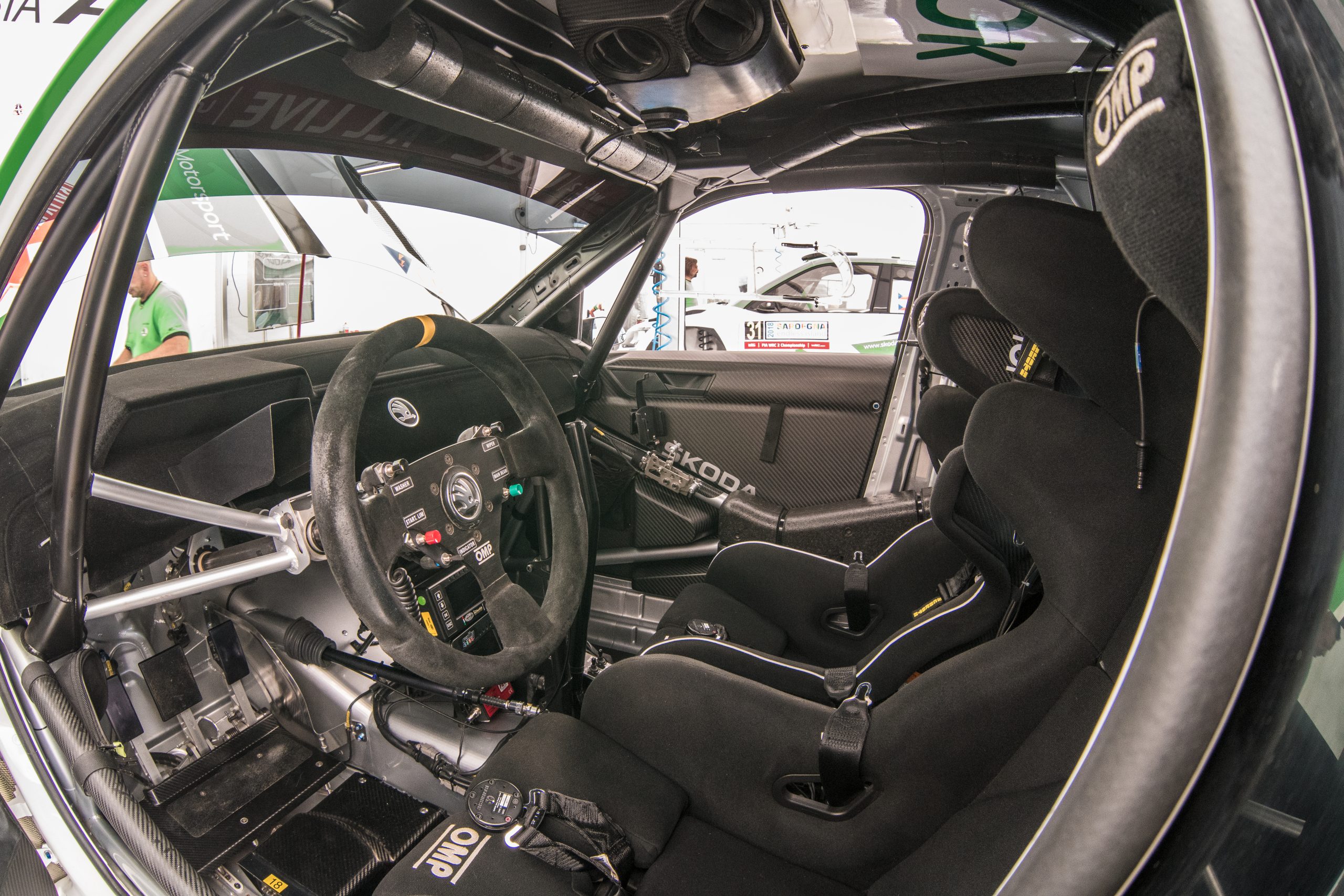
However, We see crucial to distinguish between these aftermarket projects and the official factory vehicles. While a modified, high-output Fabia might achieve impressive acceleration times, it operates in a different category than a purpose-built rally machine. The factory-engineered cars prioritize durability and driver ergonomics—factors that are often sacrificed in the pursuit of raw, high-horsepower figures in the aftermarket world.
Looking Ahead: The Future of Rally
As the automotive industry pivots toward electrification and sustainable fuels, the future of the rally platform is evolving. The FIA has already begun integrating hybrid technology into the top tier of rallying, and the lessons learned from the Fabia’s success in the combustion-engine era are currently being applied to next-generation development. For those interested in the technical progression of these vehicles, the official press releases from Škoda Motorsport provide the most accurate timeline of upcoming developments and technical specifications.
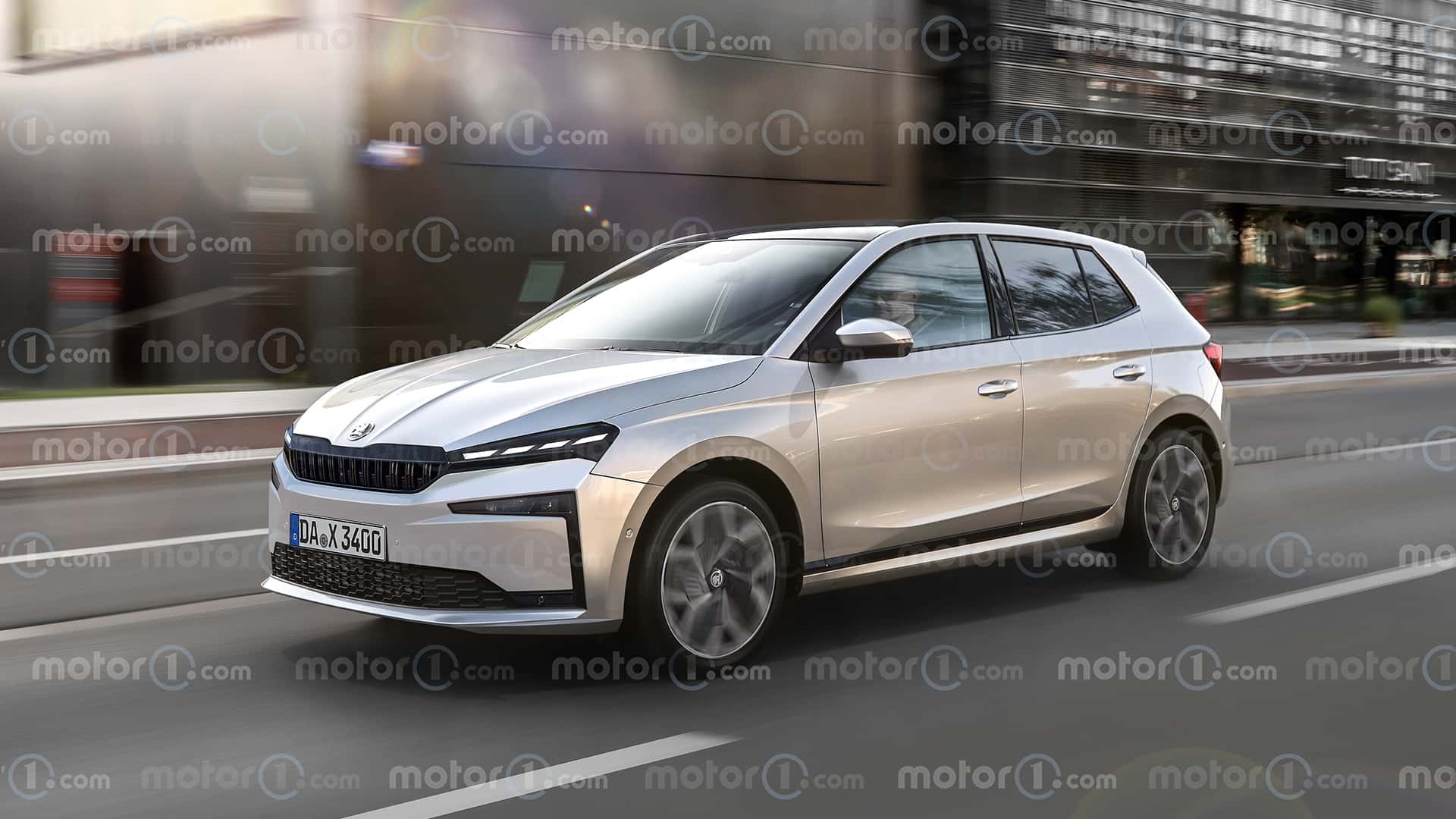
The legacy of the Škoda Fabia in motorsport is not defined by a single “mysterious” car, but by a consistent, decades-long commitment to engineering excellence. Whether it is the classic S2000 or the modern Rally2 iterations, these vehicles continue to set the standard for what a production-based rally car can achieve. For enthusiasts, the real story is not in the rumors of a hidden prototype, but in the verified, ongoing success of a brand that has mastered the art of the rally special.
What are your thoughts on the evolution of rally engineering? Share your insights in the comments section below, and subscribe to our newsletter for the latest updates on automotive industry trends and technical analysis.