
The global health community is once again confronting the persistent threat of Ebola, as regional authorities in the Democratic Republic of Congo (DRC) work to accelerate emergency responses to recurring outbreaks. For decades, the nation has served as a focal point for the study and containment of this hemorrhagic fever, with public health experts emphasizing that the ability to mount a rapid, evidence-based response remains the most critical factor in limiting the virus’s reach. As the international community observes these efforts, the focus remains on the intersection of scientific innovation and the logistical challenges of delivering care in complex, often remote environments.
The history of Ebola in the DRC is inextricably linked to the work of pioneering scientists like Jean-Jacques Muyembe. A microbiologist who leads public health emergency responses in the country, Muyembe was instrumental in the initial identification of the Ebola virus during the first-ever documented outbreak in 1976. According to Harvard University, Muyembe’s work laid the foundation for modern containment strategies, including the development of experimental vaccines and the design of effective treatments. His leadership at the Institut National de la Recherche Biomédicale in Kinshasa continues to be a cornerstone of the nation’s scientific and medical infrastructure.
The Evolution of Ebola Response Strategies
Responding to an Ebola outbreak requires more than just clinical intervention; it demands a comprehensive approach to scientific capacity and public health infrastructure. Over the years, the strategy has shifted from reactive containment to proactive research and localized preparedness. Scientists have identified critical vectors for transmission, such as exposure to fruit bats, which has helped refine public health messaging and community engagement efforts across affected regions. These advancements are essential, as the virus’s nature requires a highly coordinated, multi-stakeholder response involving the World Health Organization (WHO) and local scientific bodies.
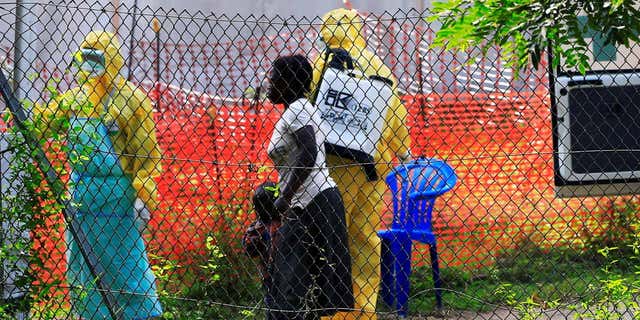
The deployment of experimental vaccines has marked a significant turning point in the management of the virus. By prioritizing the establishment of research facilities within the DRC, local experts have increased the country’s ability to conduct real-time surveillance and rapid testing. This shift in strategy—from relying solely on international support to fostering internal scientific expertise—is widely regarded by global health observers as the most effective path toward long-term epidemic control. The commitment to building this capacity, as highlighted by the Harvard T.H. Chan School of Public Health, underscores the importance of local leadership in navigating public health emergencies.
Addressing Ongoing Public Health Challenges
Despite these advancements, the race to catch up with Ebola remains a high-stakes endeavor. Public health officials face the constant challenge of maintaining surveillance networks that can detect new cases before they escalate into widespread clusters. This requires sustained funding, consistent community trust, and the logistical agility to operate in areas where infrastructure may be limited. The work of the Congolese Academy of Science and international partners remains focused on these remarkably issues, ensuring that the lessons learned from previous outbreaks are integrated into current operational protocols.
For those interested in the broader context of infectious disease management, the integration of scientific research and public health policy is paramount. The ongoing efforts in the DRC serve as a reminder that epidemic preparedness is a continuous process rather than a singular event. As the global community monitors these developments, the focus remains on transparency, the sharing of verified clinical data, and the support of frontline medical professionals who remain the primary defense against the virus.
Key Insights into Global Health Preparedness
- Scientific Leadership: The role of local research institutions is essential for the rapid identification and treatment of viral outbreaks.
- Technological Integration: The use of advanced diagnostics, including electron microscopy and genomic sequencing, has revolutionized the speed of identification.
- Community Engagement: Successful containment relies on understanding local transmission patterns and building trust within affected populations.
- Collaborative Frameworks: Partnerships between national health ministries and international bodies like the WHO are vital for resource mobilization.
As the Democratic Republic of Congo continues its efforts to manage the threat of Ebola, the international health community remains committed to supporting these initiatives through shared knowledge and resources. The path forward involves not only the immediate response to active cases but also the continued investment in the scientific infrastructure that enables long-term resilience. Readers seeking further information on public health advisories and disease surveillance updates are encouraged to consult official portals maintained by the World Health Organization for the most recent data and safety guidance.

We invite our readers to share their thoughts on the role of global scientific cooperation in addressing infectious disease outbreaks. Please join the conversation below and stay informed as we continue to track these critical developments in world health.
Worth a look