Sofia, Bulgaria — May 25, 2026
After months of intense behind-the-scenes negotiations, the United States and Iran have reached a principled agreement to reopen the strategically vital Strait of Hormuz to pre-crisis shipping levels and establish a framework for the verifiable dismantling of Iran’s enriched uranium stockpiles. While details remain under wraps pending formal signing, diplomatic sources confirm that both nations have agreed to key concessions that could reshape Middle East geopolitics and global nuclear non-proliferation efforts.
The deal, which follows years of escalating tensions including Iranian minefields in the Strait and US-led sanctions, represents the most significant diplomatic breakthrough between Washington and Tehran since the 2015 nuclear accord collapsed. Analysts describe it as a delicate balancing act, addressing both economic relief for Iran and security guarantees for its Gulf neighbors.
What the agreement covers—and what it means for global security
Hormuz Strait: Restoring Pre-Crisis Shipping Levels
One of the most critical components of the agreement is the restoration of normalized maritime traffic through the Strait of Hormuz, which connects the Persian Gulf to the Arabian Sea and accounts for roughly 20% of global oil trade [1]. Iranian officials have confirmed that the Islamic Revolutionary Guard Corps (IRGC) will begin immediate demining operations in key shipping lanes, with full clearance expected within 90 days of the agreement’s entry into force.

Sources close to the negotiations indicate that the US has agreed to lift certain secondary sanctions on Iranian shipping companies and port authorities, contingent on verifiable progress in demining. The deal also includes provisions for joint US-Iran maritime patrols to prevent smuggling and unauthorized vessel movements—a concession that has drawn criticism from Israel and Gulf Arab states.
For global energy markets, the reopening of Hormuz represents a potential $10 billion annual savings in shipping costs and insurance premiums [2]. However, analysts warn that full normalization could take months, depending on Iran’s compliance with demining timelines and US sanction relief.
Iran’s Uranium Stockpile: A Framework for Verifiable Reduction
The nuclear dimension of the agreement is equally significant. While Iran has not agreed to fully suspend its uranium enrichment program—a key demand of the US—the deal establishes a phased reduction mechanism for its stockpile of enriched uranium, currently estimated at over 2,000 kilograms [3]. The International Atomic Energy Agency (IAEA) will play a central role in monitoring and certifying reductions.

Under the agreement, Iran has committed to exporting or converting 60% of its current stockpile within six months, with the remainder to be reduced to 300 kilograms—a level consistent with the 2015 Joint Comprehensive Plan of Action (JCPOA). In exchange, the US will partially lift sanctions on Iranian banks involved in energy exports, though full financial normalization is contingent on further reductions.
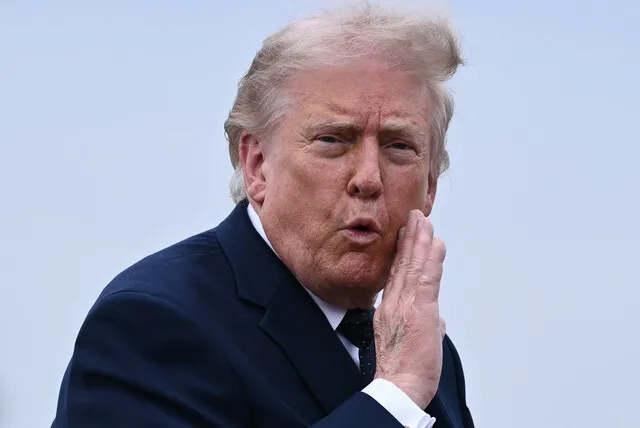
Former US President Donald Trump’s warning—reportedly urging against “rushing” the deal—has added a layer of political uncertainty. While the Biden administration has framed the agreement as a “step-by-step” approach, critics argue that the concessions risk emboldening Iran without sufficient guarantees on its long-term nuclear ambitions.
Regional Reactions: From Cautious Optimism to Open Skepticism
The agreement has sparked a divided response across the Middle East:
- Saudi Arabia and the UAE have expressed cautious optimism, with Saudi Energy Minister Prince Abdulaziz bin Salman stating that “any reduction in regional tensions is welcome, but verification must be ironclad”[4].
- Israel has condemned the deal, with Prime Minister Benjamin Netanyahu calling it a “dangerous mistake” that would “only encourage Iran’s aggressive behavior” [5].
- Russia has praised the agreement as a “positive step toward regional stability”, though Moscow has historically opposed US-led sanctions on Iran.
- China, a key economic partner of Iran, has signaled support for the deal, with Foreign Ministry spokesman Wang Wenbin stating that “all parties should work toward peaceful resolution of differences” [6].
The European Union, which has long sought to revive the JCPOA, has welcomed the agreement, with EU foreign policy chief Josep Borrell calling it a “necessary first step” toward broader diplomatic engagement.
What Happens Next? Key Checkpoints and Unanswered Questions
The agreement now faces several critical hurdles before it can take full effect:
- Signing Ceremony: Both sides are targeting a formal signing within 30 days, pending final legal reviews. The US State Department has not yet confirmed a date.
- IAEA Verification: The IAEA must certify Iran’s compliance with uranium stockpile reductions before sanctions relief begins. This process could take up to 90 days.
- Congressional Approval: While the Biden administration can waive some sanctions unilaterally, full normalization may require Congressional action, which could face resistance.
- Iran’s Domestic Politics: Hardliners in Tehran, including Supreme Leader Ayatollah Ali Khamenei, have not yet publicly endorsed the deal, raising questions about its longevity.
Analysts warn that trust remains fragile. The US has historically accused Iran of violating past agreements, while Tehran has long viewed US sanctions as “illegal and unjust”. The success of this deal will hinge on whether both sides can deliver on their commitments in real time.
Why This Deal Matters: Global Implications
The US-Iran agreement carries far-reaching consequences for several critical areas:

- Global Energy Markets: The reopening of Hormuz could stabilize oil prices, which have fluctuated due to tensions in the region. However, full market confidence may require long-term guarantees on shipping security.
- Nuclear Non-Proliferation: The agreement provides a pathway for Iran to reduce its enriched uranium stockpile, though it does not address its advanced centrifuge capabilities—a major concern for the US and Israel.
- Regional Security: A reduction in Hormuz tensions could lower the risk of accidental conflicts, but Gulf states remain wary of Iran’s military expansion in Syria, Yemen, and Lebanon.
- US-Iran Diplomatic Relations: The deal could pave the way for broader engagement, including discussions on regional security, counterterrorism, and economic cooperation.
For now, the focus remains on implementation. The next critical milestone will be the IAEA’s verification report, expected in late July 2026. Until then, the world watches to see whether this fragile agreement can survive the test of time.
Key Takeaways
- The US and Iran have reached a principled agreement on Hormuz Strait demining and uranium stockpile reductions.
- Shipping through Hormuz will return to pre-crisis levels within 90 days, with Iran committing to demining operations.
- Iran will reduce its enriched uranium stockpile by 60% within six months, with IAEA oversight.
- Sanctions relief is phased, tied to verifiable progress on both nuclear and maritime commitments.
- Regional reactions are mixed, with Gulf states cautiously optimistic and Israel strongly opposed.
- The next steps include formal signing, IAEA verification, and potential Congressional approval in the US.
As the world waits for further details, one thing is clear: this agreement is not an endgame, but a precarious first step toward a more stable Middle East. The question now is whether both sides can build trust where it has long been absent.
What do you think about this diplomatic breakthrough? Share your views in the comments below.
Maria Petrova is an international journalist and editor with 14+ years of experience covering geopolitics and global affairs. She holds an MA in International Relations from Sofia University and has contributed to major outlets including Balkan Insight.
Related reading
- President Lee Jae-myung Meets Princess Anne to Discuss Korea-UK Cooperation
- Nvidia CEO Jensen Huang Keynote in Las Vegas 2025
- Breakthrough Cancer Drug Shows Promise in Mesothelioma Clinical Trial (newsdirectory3.com)
- Robert Reich: Trump’s Failed Iran Diplomacy and the Crisis in the Strait of Hormuz (archyde.com)