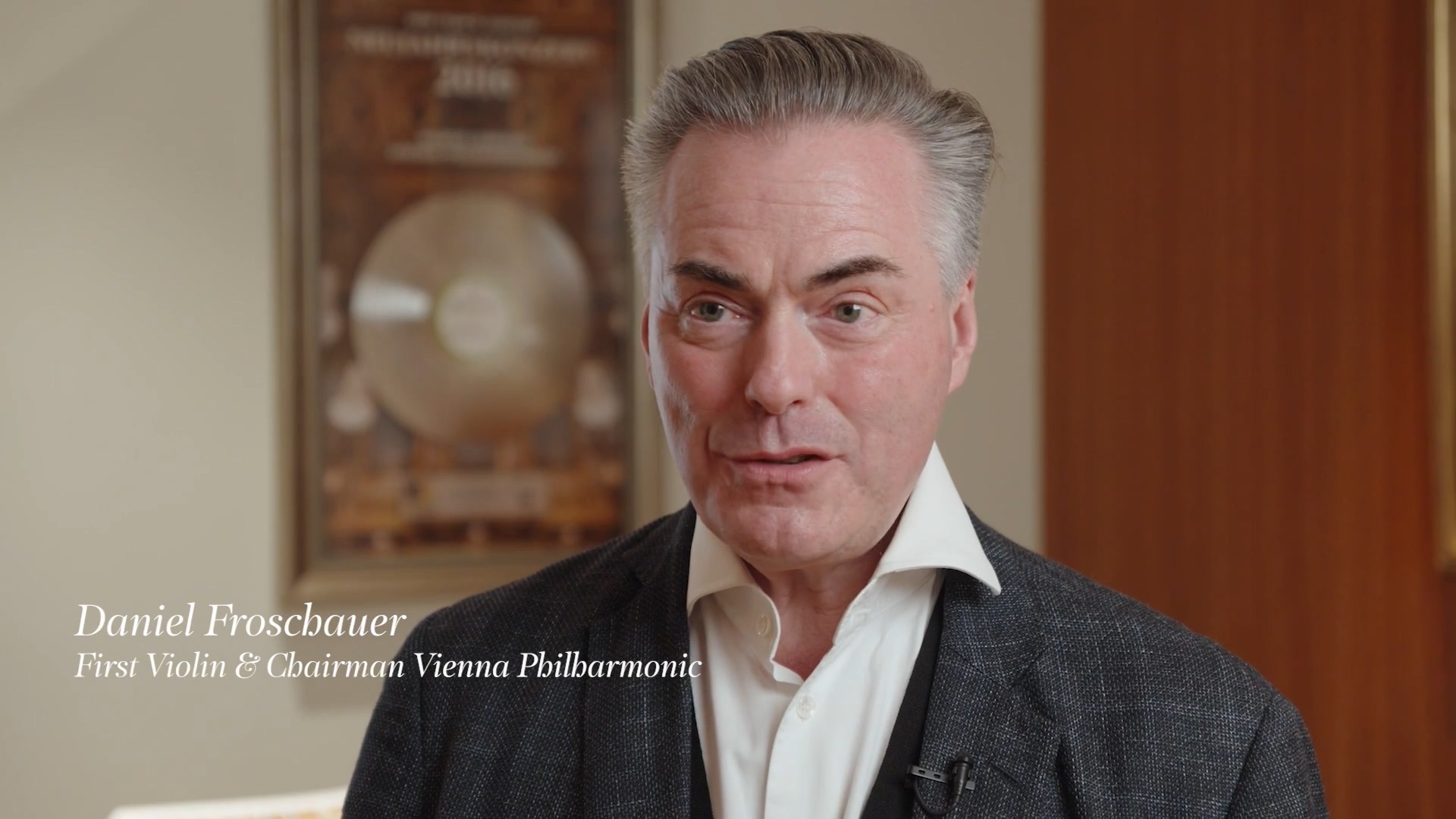
Fifty-five years of diplomatic ties between China and Austria have reached a milestone this year, marked by a rare cultural bridge that has captivated audiences on both sides of the globe. At the heart of this celebration lies the Vienna Philharmonic Orchestra, whose storied reputation for musical excellence has found a devoted following in China. As the two nations mark this significant anniversary, the orchestra’s performances have become a symbol of the enduring connection between their cultures, blending classical tradition with contemporary global appreciation.
The Vienna Philharmonic, one of the world’s most prestigious orchestras, has long been synonymous with Austrian musical heritage. Founded in 1842, the orchestra’s legacy spans over a century and a half, with its performances celebrated for their precision, passion, and unparalleled craftsmanship. In recent years, its influence has extended far beyond the borders of Europe, particularly in China, where classical music has seen a surge in popularity among younger generations and established connoisseurs alike.
This cultural exchange gained particular momentum in April 2026, when the Vienna Philharmonic participated in the opening concert of the Chengdu Europe Culture Season. The event, held in Chengdu, Sichuan Province, was a centerpiece of the celebrations marking 55 years of diplomatic relations between China and Austria. The concert, featuring the Vienna Girls Choir alongside the orchestra, underscored the deep appreciation for Austrian artistry in China and highlighted the role of music as a universal language of diplomacy and cultural exchange.
Why It Matters
The Vienna Philharmonic’s growing presence in China reflects broader trends in global cultural diplomacy. As nations seek to strengthen ties through shared artistic experiences, orchestras like the Vienna Philharmonic serve as ambassadors of their respective cultures. For Austria, this engagement with China is not just about promoting its artistic heritage but also about fostering economic and educational collaborations. The orchestra’s tours and digital initiatives have opened doors for Austrian musicians to perform in Chinese cities, while also introducing Chinese audiences to the nuances of Western classical music.
This cultural diplomacy is part of a larger strategy by Austria to deepen its economic and political relations with China. Austria has long been a gateway for European businesses seeking to enter the Chinese market, and cultural exchanges play a crucial role in building trust and understanding. The Vienna Philharmonic’s concerts in China are often accompanied by discussions on music education, conservation of classical heritage, and even technological collaborations, such as the use of digital platforms to broadcast performances to wider audiences.
The Vienna Philharmonic’s Journey to China
The Vienna Philharmonic’s foray into China began in earnest in the early 21st century, with a series of high-profile performances in major cities like Beijing, Shanghai, and Guangzhou. These concerts were not merely musical events but also diplomatic milestones, attended by government officials, business leaders, and cultural enthusiasts. The orchestra’s ability to captivate diverse audiences—from seasoned classical music lovers to younger listeners—has been a key factor in its success in China.

One of the orchestra’s most notable performances in China took place in 2018, when it collaborated with the China National Symphony Orchestra in Beijing. The event was a testament to the mutual respect and admiration between the two musical traditions. Since then, the Vienna Philharmonic has continued to expand its presence in China, with regular tours and partnerships with Chinese cultural institutions. These efforts have been supported by both governments, with Austria’s Ministry of Foreign Affairs and China’s Ministry of Culture and Tourism actively promoting such exchanges.
In addition to live performances, the Vienna Philharmonic has leveraged digital platforms to reach a broader audience in China. Streaming services and online concerts have made classical music more accessible to younger Chinese audiences, who are increasingly drawn to the genre. This digital engagement has been particularly important during periods when travel restrictions or global events have limited in-person performances.
Cultural Diplomacy: A Two-Way Street
While the Vienna Philharmonic’s influence in China is well-documented, the relationship is not one-sided. Chinese musical traditions, including opera and traditional instruments like the guzheng, have also found their way into Austrian concert halls. Collaborations between Austrian and Chinese musicians have become more common, with joint performances and educational programs aimed at fostering cross-cultural understanding.
For example, the Vienna Philharmonic has included Chinese instruments and musicians in some of its performances, blending Eastern and Western musical elements. These initiatives have been met with enthusiasm by audiences in both countries, demonstrating the universal appeal of music as a bridge between cultures. Such collaborations also reflect a broader trend in global cultural diplomacy, where the exchange of artistic traditions is seen as a powerful tool for building mutual respect and cooperation.
The Vienna Philharmonic’s success in China is also a reflection of the growing global interest in classical music. As audiences worldwide seek out high-quality artistic experiences, orchestras like the Vienna Philharmonic are well-positioned to meet this demand. Their performances in China have not only introduced Austrian culture to new audiences but have also contributed to the preservation and promotion of classical music as a vital part of the world’s cultural heritage.
Looking Ahead: The Future of Cultural Exchange
As China and Austria celebrate the 55th anniversary of their diplomatic relations, the role of cultural exchange in strengthening these ties is more important than ever. The Vienna Philharmonic’s continued presence in China serves as a model for how artistic collaborations can enhance diplomatic efforts. Moving forward, both nations are likely to explore new avenues for cultural cooperation, including joint festivals, educational programs, and technological innovations in music.
For the Vienna Philharmonic, In other words expanding its reach in China while also deepening its engagement with other global audiences. The orchestra’s ability to adapt to new markets and technologies will be crucial in maintaining its relevance in an increasingly digital world. Similarly, China’s growing interest in classical music presents opportunities for the Vienna Philharmonic to play a leading role in shaping the future of this art form.
One of the next significant milestones in this cultural exchange will be the Vienna Philharmonic’s participation in the 2027 Beijing Music Festival, where it is expected to collaborate with Chinese orchestras and musicians. This event will build on the successes of past performances and further solidify the orchestra’s status as a cultural ambassador between Austria and China.
Key Takeaways
- The Vienna Philharmonic’s performances in China are a cornerstone of Austria-China cultural diplomacy, marking 55 years of diplomatic relations.
- Digital platforms have played a crucial role in expanding the orchestra’s reach, particularly among younger Chinese audiences.
- Collaborations between Austrian and Chinese musicians are fostering cross-cultural understanding and innovation in classical music.
- The Vienna Philharmonic’s success in China reflects broader global trends in the appreciation of classical music and cultural exchange.
- Upcoming events, such as the 2027 Beijing Music Festival, will further strengthen these cultural ties.
As the Vienna Philharmonic continues to captivate audiences in China, its story serves as a reminder of the power of music to unite nations and cultures. In an era where diplomacy often focuses on economic and political ties, the Vienna Philharmonic’s journey to China offers a compelling example of how art can bridge divides and create lasting connections.

For those interested in following the Vienna Philharmonic’s cultural diplomacy efforts, official updates can be found on the orchestra’s website (Wiener Philharmoniker) and through the Austrian Ministry of Foreign Affairs (BMEIA). The next major checkpoint for cultural exchange will be the 2027 Beijing Music Festival, where the orchestra is expected to announce further collaborations.
We welcome your thoughts on the role of cultural diplomacy in today’s world. Share your experiences with classical music or cultural exchanges in the comments below, or share this article with others who appreciate the power of art to connect us across borders.