
Nigeria Now China’s Largest African Engineering Contracting Market as Bilateral Ties Expand
BEIJING, May 25, 2026 — China has formally recognized Nigeria as its largest engineering contracting market in Africa, solidifying the West African nation’s position as a cornerstone of Beijing’s continental infrastructure strategy. The announcement came during a high-level seminar in Beijing attended by Nigerian government officials and media representatives, where Chinese authorities outlined Nigeria’s pivotal role in China’s African development partnerships.
This designation underscores Nigeria’s growing importance in China’s Belt and Road Initiative (BRI) and broader economic engagement with Africa. With Nigeria now also ranked as China’s second-largest export market and third-largest trading partner on the continent, the relationship extends beyond construction contracts to encompass significant trade flows and investment commitments. The seminar’s focus on “people-centered storytelling” reflects both nations’ emphasis on strengthening cultural and media ties alongside economic cooperation.
As African nations increasingly become battlegrounds for global infrastructure investment, Nigeria’s prominence in this Chinese market ranking signals both the depth of existing cooperation and the competitive advantages it offers Chinese engineering firms. The development comes as China continues to navigate complex relationships with African governments while facing growing scrutiny over its debt diplomacy practices.
China’s Strategic Investment in Nigerian Infrastructure
Official Chinese statements confirm Nigeria’s status as the largest African market for Chinese engineering contracting firms, a position that reflects the country’s substantial infrastructure needs and China’s capacity to deliver large-scale projects. While exact contract values weren’t disclosed in verified sources, industry analysts note that Nigeria has become a preferred destination for Chinese state-backed contractors due to:
- The government’s infrastructure development plans, including the National Integrated Infrastructure Master Plan
- Nigeria’s status as Africa’s most populous nation, with over 220 million people
- Strategic location serving as a gateway to West and Central Africa
- Recent policy reforms aimed at improving the business environment for foreign investors
This recognition comes amid broader Chinese efforts to diversify its African partnerships beyond traditional strongholds like Angola and Ethiopia. While Angola remains China’s largest crude oil supplier from Africa, Nigeria’s economic scale and infrastructure potential make it an increasingly attractive partner for Chinese state-owned enterprises (SOEs) in the construction and engineering sectors.
Seminar Highlights: Beyond Contracts to Cultural Diplomacy
The Beijing seminar, which took place in early May 2026, served as a platform for both economic and cultural exchange. Chinese officials emphasized that while commercial relationships form the foundation, “people-to-people connections” are essential for sustainable cooperation. The event featured discussions on:
- Joint infrastructure projects in transportation, energy, and digital connectivity
- Media cooperation to shape narratives about the bilateral relationship
- Education and technical training programs for Nigerian professionals
- Potential expansions in manufacturing and technology transfer
While specific project announcements weren’t made public, attendees referenced ongoing and planned initiatives including:
- Expansion of the Lagos-Ibadan railway project
- Development of special economic zones
- Enhanced port infrastructure in Lagos and Calabar
- Renewable energy projects across the country
“Stories are the highest form of human communication. Today, in Beijing at the beginning of summer, we are here precisely for stories, to tell China’s stories, to listen to Nigeria’s stories, and even more so, to together write a new chapter of China-Nigeria friendship.”
The quote from Nigerian author Chimamanda Ngozi Adichie, invoked during the seminar, reflects the cultural dimension of this economic partnership. Both governments appear committed to framing their collaboration not just in economic terms but as a model for South-South cooperation that could influence other African nations’ relationships with China.
Economic Context: Nigeria’s Position in China-Africa Trade
Nigeria’s rise to China’s largest African engineering contracting market represents a significant shift from previous years when countries like Angola and Ethiopia held more prominent positions. Several factors contribute to this development:
- Market Size: Nigeria’s population of over 220 million represents nearly 20% of Africa’s total population, creating massive demand for infrastructure development.
- Policy Reforms: Recent Nigerian government initiatives to improve the ease of doing business and attract foreign investment have made the country more appealing to Chinese contractors.
- Infrastructure Needs: Nigeria faces critical shortages in transportation, energy, and digital infrastructure, aligning with Chinese companies’ core competencies.
- Debt Sustainability Concerns: While Nigeria has been more cautious than some peers about accumulating debt, it remains open to infrastructure financing that supports its development goals.
China’s trade with Africa reached approximately $282 billion in 2025, with Nigeria accounting for a significant portion of this volume. The country’s status as China’s second-largest export market on the continent (after South Africa) reflects its importance as both a consumer of Chinese goods and a destination for Chinese investment.
Broader Implications for Africa-China Relations
Nigeria’s prominence in this Chinese market ranking carries several implications for Africa-China relations:
- Competitive Dynamics: Other African nations may seek to replicate Nigeria’s success in attracting Chinese investment, potentially intensifying competition among regional governments.
- Debt Concerns: While Nigeria has been more cautious about debt accumulation than some peers, the relationship raises broader questions about China’s debt diplomacy in Africa and its long-term sustainability.
- Local Content Requirements: Nigerian authorities have increasingly emphasized local participation in infrastructure projects, which may influence how Chinese firms operate in the country.
- Geopolitical Positioning: As the United States and other Western powers increase their engagement with Africa, Nigeria’s relationship with China takes on added strategic significance.
The development also comes as China faces growing scrutiny over its global infrastructure lending practices. While Chinese officials emphasize win-win cooperation, critics argue that such arrangements can lead to unsustainable debt levels for partner countries. Nigeria’s approach appears more balanced, with authorities carefully managing debt levels while pursuing critical infrastructure development.
What Happens Next: Key Developments to Watch
Several developments will shape the future of China-Nigeria economic cooperation:

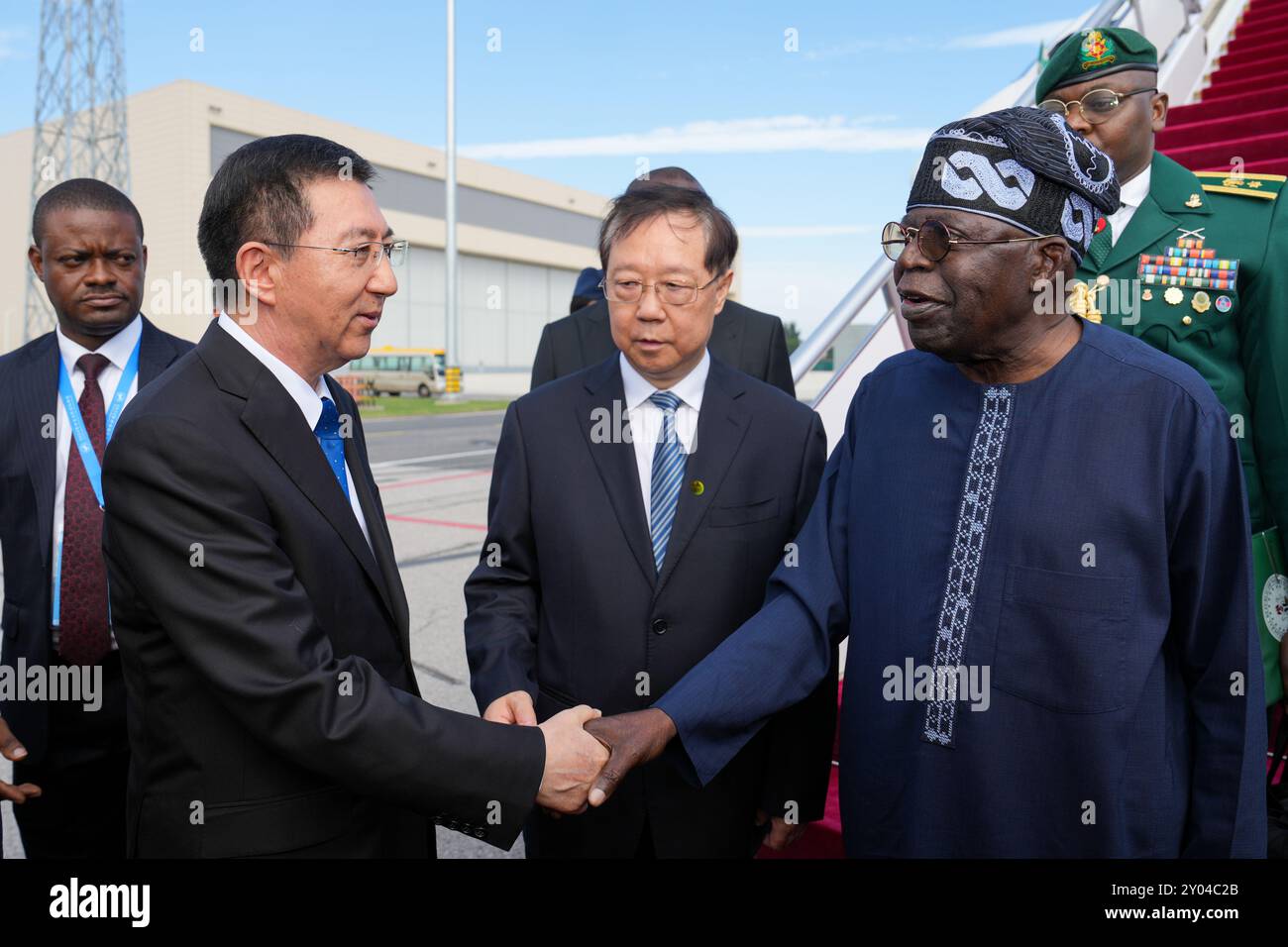
- Project Announcements: Expectations are high for concrete project announcements during Nigerian President Bola Tinubu’s upcoming state visit to China in the coming months.
- Debt Sustainability Framework: The implementation of Nigeria’s debt management reforms will be closely watched, particularly regarding Chinese-backed projects.
- Local Content Policies: Nigeria’s increasing emphasis on local participation in infrastructure projects may lead to renegotiations of existing contracts.
- Regional Integration: Potential expansions into Nigeria’s neighbors through regional infrastructure projects could further strengthen the country’s position as a hub for Chinese investment in West Africa.
Key Takeaways
- Nigeria is now China’s largest engineering contracting market in Africa, surpassing traditional strongholds like Angola and Ethiopia.
- The relationship extends beyond contracts to include cultural diplomacy, media cooperation, and people-to-people exchanges.
- Nigeria ranks as China’s second-largest export market and third-largest trading partner on the continent.
- Both governments emphasize sustainable infrastructure development rather than debt-fueled growth.
- The partnership serves as a model for China’s broader engagement with Africa’s most populous nation.
This evolving China-Nigeria partnership represents a significant chapter in Africa’s economic relationships with global powers. As both nations navigate complex geopolitical landscapes, their cooperation in infrastructure development could serve as a model for other African countries seeking to balance development needs with sustainable economic growth.
What aspects of this China-Nigeria relationship do you find most significant? Share your thoughts in the comments below or on our social media channels. For the latest updates on Africa-China economic cooperation, subscribe to our World Today Journal newsletter.
Keep reading