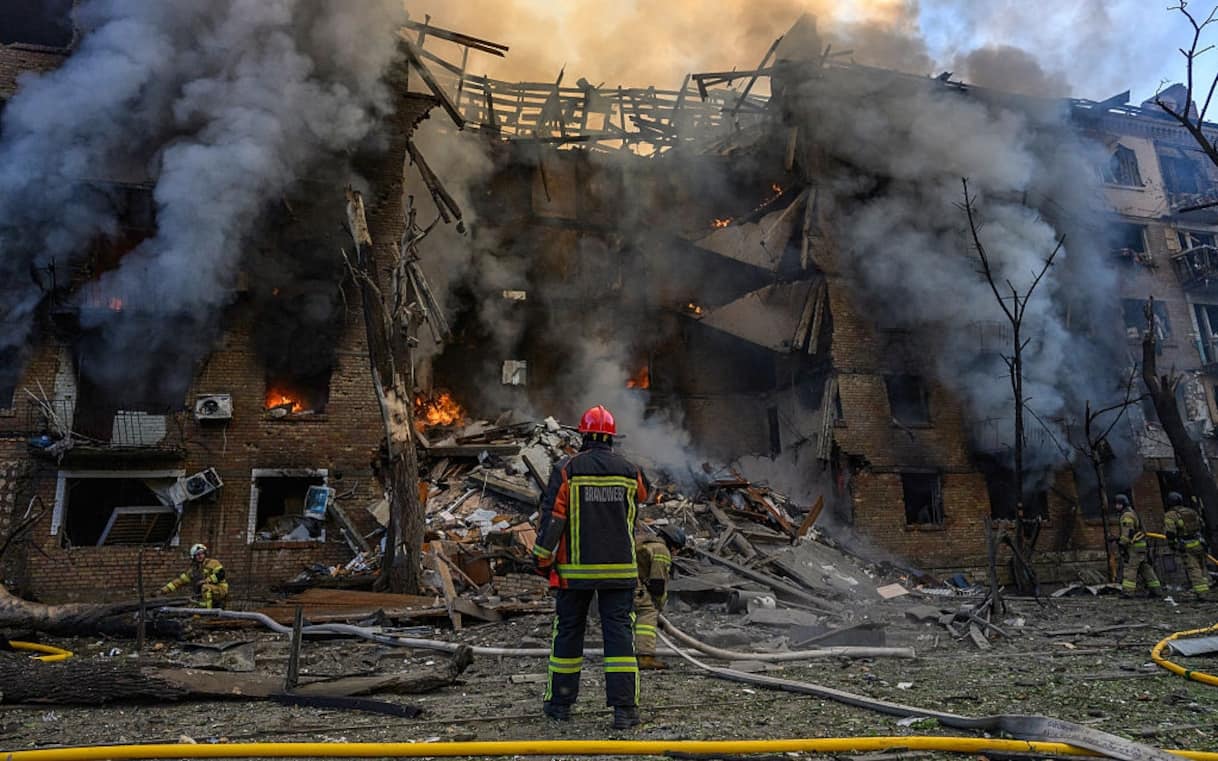
The security landscape in Eastern Europe has faced a sharp escalation following reports of new missile deployments and intensified aerial strikes across Ukraine. International observers and diplomatic bodies are currently assessing the implications of the latest military maneuvers, which have prompted widespread condemnation from European Union officials and heightened calls for urgent diplomatic intervention.
As the conflict continues to evolve, the use of advanced weaponry—specifically the Oreshnik missile system—has become a focal point of international concern. This development comes amid a broader series of strikes involving both missiles and unmanned aerial vehicles targeting the Ukrainian capital, Kyiv, and other regions. The situation remains fluid, with global leaders emphasizing the risks posed to civilian infrastructure and the regional security architecture.
For those following these developments, the humanitarian impact remains the most pressing concern. Reports from international monitoring agencies and local authorities continue to document the toll on civilian populations, as diplomatic missions and international organizations call for an immediate de-escalation of hostilities to prevent further loss of life and regional instability.
International Response and Diplomatic Condemnation
The European Union has been vocal in its opposition to the recent escalation, characterizing the deployment of the Oreshnik system as a tactical maneuver intended to intimidate rather than a strategic necessity. European officials, including the EU’s High Representative for Foreign Affairs and Security Policy, Kaja Kallas, have publicly condemned the strikes, framing them as a violation of international norms and a direct threat to the safety of civilians.
Beyond the European Union, the French government has expressed its strong disapproval of the recent military actions. President Emmanuel Macron has issued statements condemning the strikes on Kyiv, highlighting the tragic loss of life among men, women, and children. The condemnation underscores a unified stance among several Western allies, who argue that the targeting of urban centers and diplomatic facilities is unacceptable under international humanitarian law.
The United Nations has also been brought into the conversation, with discussions regarding the potential for an urgent meeting of the UN Security Council to address the ongoing volatility. Such a move would be intended to facilitate a platform for member states to discuss the implications of the latest strikes and to seek a path toward renewed dialogue or a formal ceasefire mechanism.
Understanding the Current Security Environment
The introduction of the Oreshnik missile system into the theater of operations represents a significant technological development in the ongoing conflict. Military analysts are currently analyzing the capabilities and the intended strategic message behind its use. While technical details remain subject to ongoing military assessment, the primary concern for the international community is the potential for such systems to lower the threshold for further escalation.
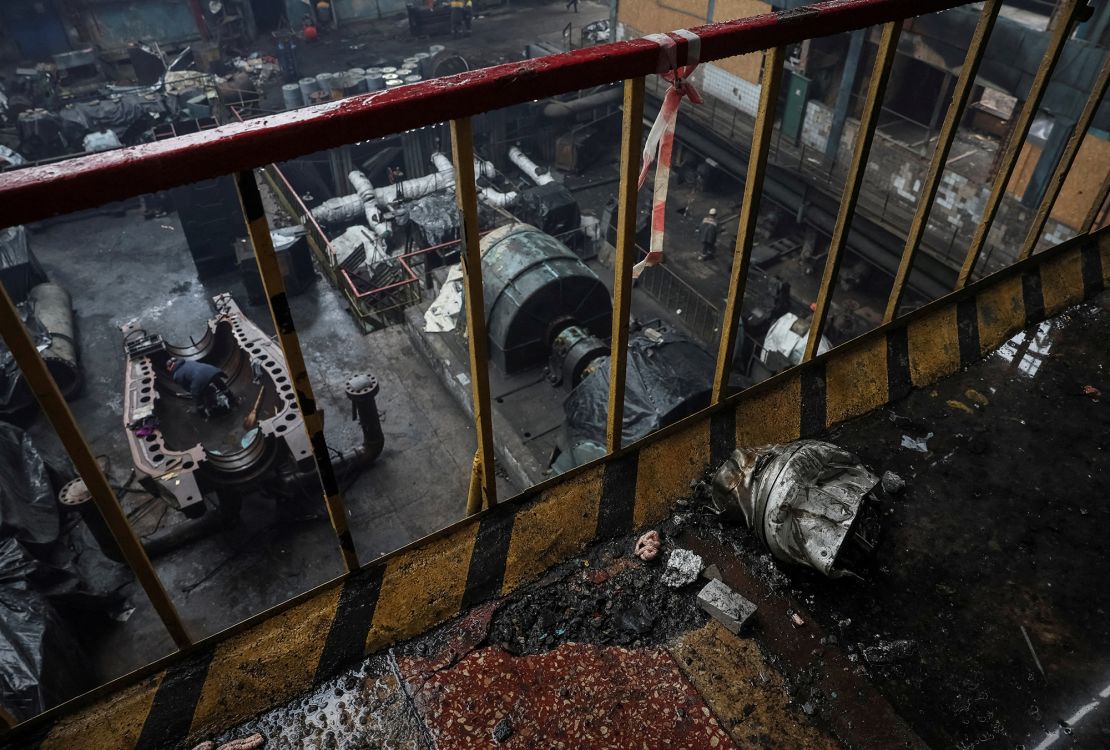
In parallel, the situation on the ground remains highly volatile. The use of drones and conventional missiles continues to disrupt daily life in Ukraine, with local authorities working to manage the aftermath of strikes on energy infrastructure and residential areas. The resiliency of the Ukrainian civilian population, combined with the international aid response, remains a critical component of the ongoing narrative.
the participation of foreign nationals in the conflict, including reports of fatalities among those serving in volunteer capacities, has added a complex layer to the international dimensions of the war. These events continue to be documented by human rights organizations and government agencies, which monitor the status of foreign fighters and the legal implications of their involvement.
Looking Ahead: Institutional Actions and Updates
As of May 25, 2026, the international community awaits further updates from the UN Security Council regarding the requested session on the situation in Kyiv. Organizations such as the European External Action Service (EEAS) provide regular updates on the Union’s diplomatic stance, while the Office of the United Nations High Commissioner for Human Rights (OHCHR) continues to track the impact of the conflict on civilian populations.
The diplomatic focus in the coming days will likely remain on the containment of these new missile technologies and the protection of diplomatic personnel and civilians. Observers are encouraged to monitor official statements from the European Commission and the United Nations for verified updates on security protocols and diplomatic efforts.
We invite our readers to share their perspectives on these developments in the comments section below. As we continue to cover this evolving situation, our commitment remains to provide accurate, verified information that helps our global audience navigate the complexities of international security. For those seeking resources on humanitarian support or official updates, please consult the verified portals of the United Nations and the European External Action Service.