
In a case raising fresh questions about free speech, public health advocacy, and the boundaries of criminal law, a Texas resident has filed a federal lawsuit after being arrested for a Facebook post alleging bacterial contamination in her town’s water supply. The incident in Trinidad, Texas—a small community southeast of Dallas—spotlights tensions between digital activism, local governance, and the legal consequences of sharing unverified health concerns online.
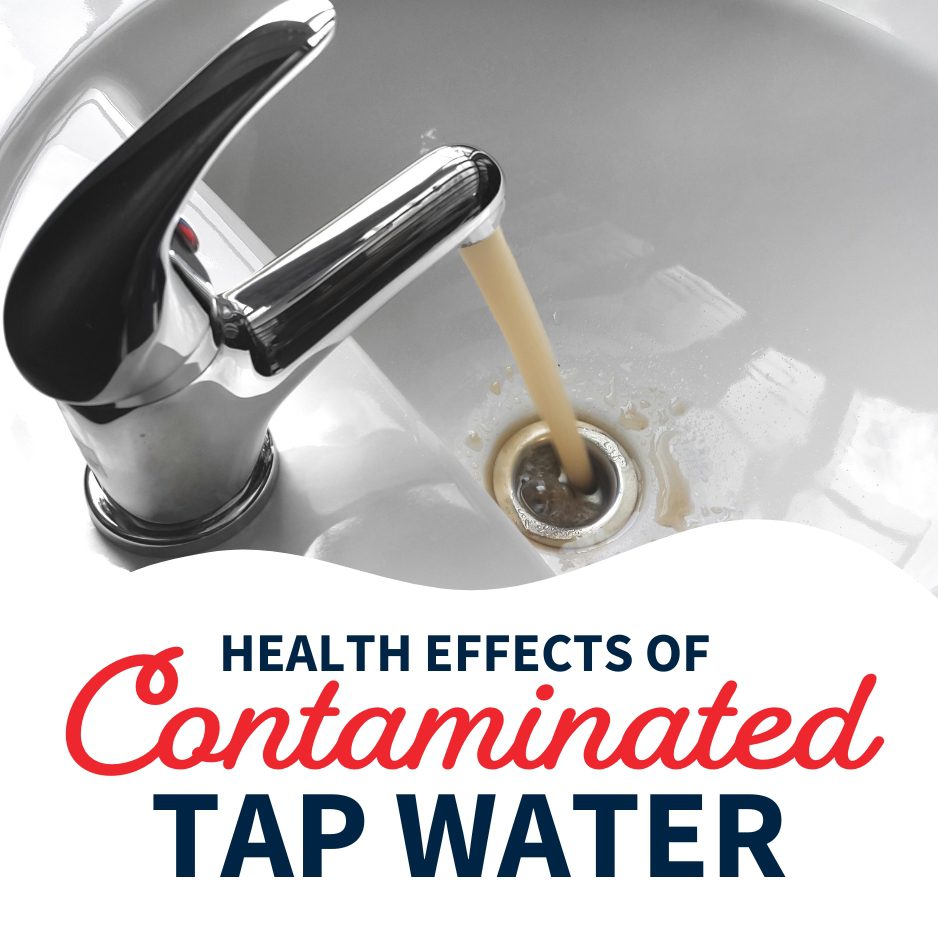
Jennifer Combs, founder of the independent media platform Southern Belle Watch, posted on Facebook in April 2024 alleging that residents of Trinidad had been hospitalized due to bacteria in the water. She urged others to report discolored water, strong odors, or related health issues, attaching photos of brownish liquid to her post. The Trinidad Police Department responded swiftly, dismissing her claims as false and warning that spreading such alarms could constitute a felony under Texas law. Within weeks, Combs was arrested on charges of making a false alarm or report—a third-degree felony in the state.
Her legal challenge, filed in the Eastern District of Texas, seeks to dismiss the criminal charges entirely, arguing that her actions were protected speech under the First Amendment. The case has drawn attention to broader debates about how local authorities handle public health concerns shared online, particularly in communities where trust in institutions may already be fragile. Meanwhile, Trinidad officials maintain that the water discoloration stemmed from sediment, rust, and minerals in aging infrastructure—a position supported by the city’s utility provider.
Why Was the Arrest Made—and What Are the Legal Implications?
Texas law criminalizes false alarms or reports that disrupt public services, including water systems. Under Texas Penal Code § 42.06, making a false alarm that involves a public service can be prosecuted as a felony, punishable by up to two years in prison. Trinidad Police Chief Charles Gregory defended the arrest, stating in a May 2024 press conference that Combs’ claims were “simply false and have only caused unnecessary fear and confusion in our community.”
Combs’ legal team argues that her post was an exercise in civic engagement, not a deliberate falsehood. They point to the lack of a prior warning or investigation by local authorities before the arrest, raising questions about whether the charges were disproportionate. “This case is about whether residents can speak out about potential public health risks without fear of criminal penalties,” said her attorney in court filings. The lawsuit also challenges the constitutionality of the law as applied, claiming it chills free speech in matters of public concern.
Water Quality in Trinidad: Sediment vs. Bacterial Contamination
The dispute centers on the condition of Trinidad’s water system. According to the city’s utility reports, the brownish discoloration Combs highlighted is attributed to sediment buildup in old pipes, a common issue in aging infrastructure. The Trinidad Water Utilities Department states that no bacterial violations have been detected in recent testing, though they acknowledge routine maintenance is underway to address rust and mineral deposits. Residents, however, have reported persistent odor and taste issues for years, with some citing skin irritations after showering.
Combs’ post cited anecdotal reports of hospitalizations but did not provide medical records or lab results. Public health officials in Texas note that while social media can amplify legitimate concerns, unverified claims can also undermine trust in both authorities and advocacy efforts. The Texas Commission on Environmental Quality (TCEQ) oversees drinking water safety and has not issued advisories for Trinidad’s system in the past 12 months, though routine sampling is required quarterly.
“We urge residents to report concerns through official channels—not social media—so we can investigate thoroughly.” — @TCEQnews, May 2024
Broader Context: Free Speech and Public Health Advocacy
Combs’ case is not isolated. In recent years, activists and journalists have faced legal repercussions for sharing unverified but well-intentioned alerts about environmental hazards, from Flint’s lead crisis to PFAS contamination in rural communities. Critics argue that overzealous prosecutions under false alarm laws can deter necessary scrutiny, while defenders say such charges are necessary to prevent panic and resource waste.
A 2023 study by the Pew Research Center found that 64% of Americans turn to social media for health-related information, yet only 38% of local governments have formal protocols for addressing online public health concerns. This gap has led to a patchwork of responses, from dismissals to arrests, as seen in Trinidad.
What Happens Next in the Lawsuit?
The next critical checkpoint is the preliminary hearing scheduled for July 15, 2024, where a judge will determine whether the criminal charges against Combs can proceed. Her legal team is seeking to suppress evidence obtained during the arrest, arguing it was conducted without probable cause. If the charges are dismissed, the case could set a precedent for how Texas handles similar disputes.

In the meantime, Trinidad residents remain divided. Some support Combs’ efforts to hold authorities accountable, while others criticize her for spreading fear without concrete evidence. The city’s water utility has pledged to accelerate pipe replacements in high-risk areas, though no immediate advisories have been issued.
Key Takeaways
- Legal Risk: Posting unverified health alerts online can lead to felony charges under Texas law, even if the intent is advocacy.
- Water Quality: Trinidad’s discolored water is attributed to sediment, not bacterial contamination, though residents report persistent odor and taste issues.
- Free Speech Debate: The case tests whether criminalizing false alarms chills legitimate public health discourse.
- Next Steps: The July 15 hearing will determine if Combs’ charges are dismissed or proceed to trial.
- Broader Impact: The outcome could influence how other communities handle social media-driven public health concerns.
As the legal battle unfolds, the story of Jennifer Combs serves as a cautionary tale for digital activists—and a reminder of the complexities when public health, free speech, and local governance collide. For residents seeking updates, the City of Trinidad’s official website and the Texas Commission on Environmental Quality provide verified information on water quality and legal proceedings.
What do you think? Should social media advocates face criminal penalties for unverified health alerts? Share your perspective in the comments—and don’t forget to follow World Today Journal for updates on this developing story.
Keep reading