Linda Park • Technology Editor • May 25, 2026
US Quantum Computing Gambit Faces Legal Scrutiny: Is $2B CHIPS Act Funding Misused?
WASHINGTON — The Trump administration’s $2 billion quantum computing investment under the CHIPS and Science Act has sparked a legal storm, with lawmakers accusing the Commerce Department of diverting funds allocated for semiconductor research into private-sector quantum fabrication. The controversy centers on whether the government’s equity stakes in quantum companies—including a $1 billion commitment to IBM’s new Anderon foundry—violate congressional intent.
At the heart of the dispute is a fundamental question: When a government program funds private companies to build quantum manufacturing infrastructure, is it still “public research”? The answer could have sweeping implications for how the U.S. Competes in next-generation computing—and whether taxpayer dollars are being spent as Congress intended.
Here’s what we know about the legal challenges, the industry’s response, and what happens next.
On May 21, 2026, the U.S. Department of Commerce announced letters of intent awarding $2.013 billion in federal incentives to nine companies under the CHIPS and Science Act. Two-thirds of the funds—$1.375 billion—were directed toward building quantum manufacturing infrastructure, with IBM receiving $1 billion to establish Anderon, a dedicated quantum wafer foundry in Albany, New York. The remaining $638 million supported seven quantum computing companies addressing engineering bottlenecks.
But Rep. Zoe Lofgren (D-Calif.), the ranking member of the House Science, Space, and Technology Committee, has publicly questioned the legality of these allocations. In a statement released this week, she argued that the funds were intended for semiconductor research—not private equity investments in quantum startups. “The CHIPS Act was designed to strengthen America’s semiconductor supply chain, not hand taxpayer money to Wall Street-backed quantum ventures,” Lofgren said.
“The CHIPS Act was designed to strengthen America’s semiconductor supply chain, not hand taxpayer money to Wall Street-backed quantum ventures.”
What the CHIPS Act Actually Funds—and What It Doesn’t
The $2 billion quantum investment is part of a broader $52 billion CHIPS and Science Act package passed in 2022 to revitalize U.S. Semiconductor manufacturing and research. However, the act’s language specifically directs funds toward “semiconductor research and development” and “manufacturing infrastructure for advanced chips”—not quantum computing.
According to the CHIPS and Science Act text, Title III (Subtitle A) authorizes “$52 billion for research and development, manufacturing, and workforce development in the semiconductor and related industries.” Quantum computing was not mentioned as a priority sector.
Yet the Commerce Department’s May 21 announcement explicitly states that the $2 billion is being used to “accelerate the development of quantum computing manufacturing capabilities.” The discrepancy has led legal experts to question whether the administration is redefining the act’s scope through regulatory interpretation.
Key Verified Figures
Is the Quantum Investment Legal?
Legal scholars say the answer depends on how broadly the Commerce Department interprets “related industries” in the CHIPS Act. Some argue that quantum computing—while not explicitly mentioned—could be considered a “related industry” to semiconductors, given its reliance on advanced fabrication techniques.
However, others point to the act’s specific focus on “semiconductor research and development” and warn that reallocating funds to quantum startups could set a dangerous precedent. “If the administration can reinterpret the CHIPS Act to fund quantum computing, what’s next?” asks Gregory Treverton, a former intelligence official now at Brookings Institution. “This could open the door to even broader mission creep.”
The Commerce Department has not yet responded to requests for comment on whether it consulted legal counsel before allocating the funds. A spokesperson for the agency declined to address the legality question directly but emphasized that the investments “align with the act’s goal of advancing cutting-edge technologies critical to national security.”
Why This Matters for Quantum and Semiconductors
The $2 billion investment represents the largest single allocation for quantum computing in U.S. History—and it’s not just about research. Unlike traditional grants that fund academic labs, these funds are being used to build physical infrastructure: foundries, supply chains, and manufacturing capabilities that could give the U.S. A competitive edge in quantum hardware.
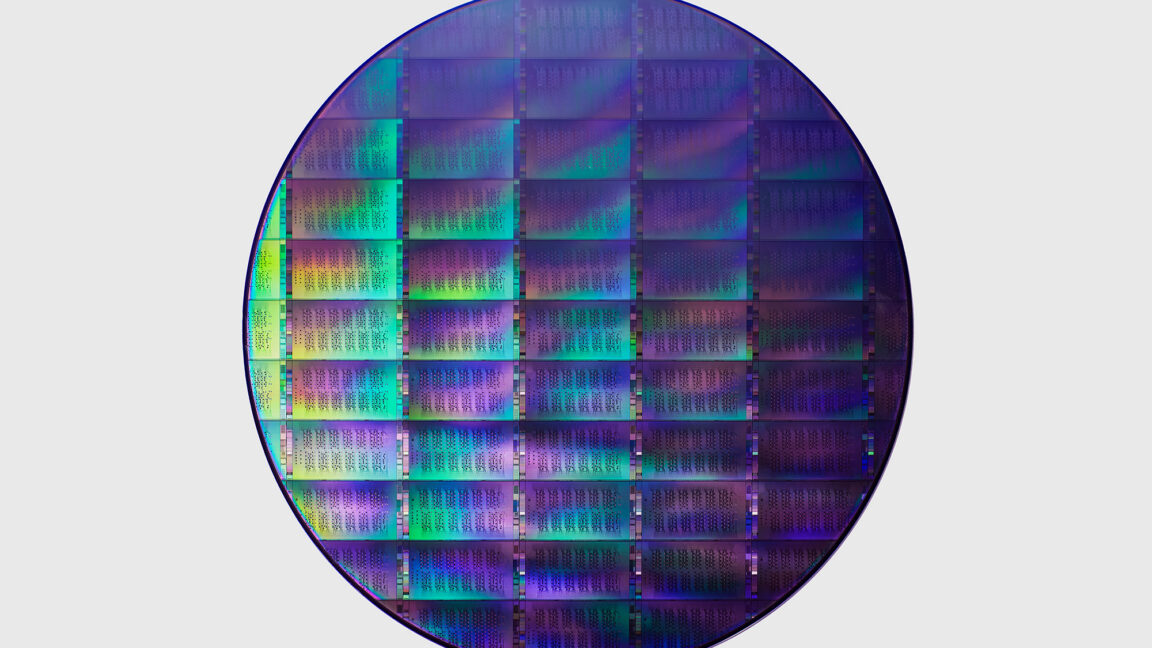
IBM’s Anderon foundry, for example, will focus on superconducting qubit wafers—a technology that could underpin the next generation of quantum computers. The foundry will be jointly funded by the government and IBM, with the government taking a minority equity stake. This model raises questions about whether taxpayer money is being used to subsidize private companies rather than support public research.
Industry observers note that the timing of this investment coincides with a global race for quantum supremacy. China has already announced plans to build a $10 billion quantum computing ecosystem, while the European Union’s Quantum Flagship program has secured €1 billion in funding. The U.S. Risks falling behind if its quantum initiatives face legal challenges.
Who Stands to Gain—or Lose?
Key Stakeholders
- Government: Commerce Department (implementing the CHIPS Act) vs. Congress (questioning the allocation)
- Industry: IBM (leading the Anderon foundry), GlobalFoundries (quantum manufacturing), and seven other quantum startups receiving funds
- Academia: Universities like MIT and UC Berkeley that rely on CHIPS Act research grants
- Taxpayers: Funding private equity stakes vs. Public research
For IBM, the Anderon foundry is a strategic move to dominate quantum hardware manufacturing. The company has already invested $1 billion of its own capital, along with intellectual property and workforce assets, into the project. Critics argue this creates a “too big to fail” scenario where taxpayer money is being used to prop up a corporate behemoth.

Meanwhile, academic researchers worry that the shift toward private-sector quantum manufacturing could divert funds from university labs. The National Science Foundation, which received $210 million for quantum research under the CHIPS Act, has not yet commented on whether it will reallocate funds to support the new foundries.
Next Steps: Legal Challenges and Industry Responses
Rep. Lofgren has indicated she will introduce legislation to clarify the CHIPS Act’s funding priorities. Her office is gathering signatures from colleagues to push for an amendment that explicitly prohibits quantum computing investments unless authorized by a separate appropriations bill.
In the meantime, the Commerce Department is expected to finalize the equity agreements with the nine quantum companies by late June. Legal experts predict that if Lofgren’s amendment fails, the issue could end up in court—with taxpayer groups suing to block the allocations on the grounds of congressional overreach.
The timeline for resolution is uncertain, but industry analysts warn that delays could push the U.S. Further behind in the global quantum race. “This is not just about legality—it’s about leadership,” says Dr. Sarah McCauley, a quantum policy expert at the Quantum Computing Report. “If the U.S. Can’t get its act together on funding, other countries will fill the gap.”
Key Takeaways
- The $2 billion quantum investment is the largest U.S. Government allocation for quantum computing to date, but its legality is being challenged.
- Funds were allocated under the CHIPS and Science Act, which was designed for semiconductor research—not quantum startups.
- IBM’s Anderon foundry will receive $1 billion from the government, with the company matching funds and contributing IP.
- Rep. Zoe Lofgren (D-Calif.) is leading efforts to block the allocations, arguing they violate congressional intent.
- The outcome could set a precedent for how future tech investments are funded under broad federal programs.
Frequently Asked Questions
1. Is the $2 billion quantum investment legal?
The legality is unclear. While the CHIPS Act does not explicitly prohibit quantum funding, its language focuses on semiconductors. Legal experts say the Commerce Department may have stretched the act’s definitions, but a court challenge could clarify the issue.
2. How will this affect quantum startups?
The funds could be make-or-break for seven quantum companies receiving $638 million in grants. However, if the allocations are blocked, these companies may struggle to secure alternative financing.
3. What about IBM’s Anderon foundry?
Anderon is a $2 billion joint venture between IBM and the government. If the funding is ruled illegal, the project could be delayed or scaled back, potentially handing China or Europe a lead in quantum manufacturing.

4. Will this impact semiconductor research?
Possibly. If quantum funds are redirected, semiconductor research grants—already tight—could face further cuts. The National Science Foundation has not commented on reallocating funds.
5. What happens if Rep. Lofgren’s amendment passes?
If successful, the amendment would block quantum funding under the CHIPS Act, forcing the administration to seek separate congressional approval for quantum investments.
The Next Checkpoint
The next critical deadline is June 15, 2026, when the Commerce Department is expected to finalize equity agreements with the nine quantum companies. If Rep. Lofgren’s amendment gains traction before then, the allocations could be put on hold.
For updates on this developing story, monitor:
- Congress.gov for legislative updates
- Commerce Department announcements
- Quantum Computing Report for industry developments
What do you think? Should the U.S. Prioritize quantum computing over semiconductor research? Share your thoughts in the comments below—or contact us with questions about how this could affect tech investments in your industry.

