By Dr. Helena Fischer | May 25, 2026 | Health
Lyme Disease Risk Rising in Quebec’s Laurentides Region: What You Need to Know
As warmer temperatures settle over Quebec, public health officials are sounding the alarm about a growing threat in the Laurentides region: an expanding tick population and rising cases of Lyme disease. While the province has long been considered a low-risk area for this tick-borne illness, recent data suggests certain sectors of the Laurentides—particularly forested and recreational areas—are now experiencing elevated transmission rates. Experts warn that without proactive measures, the situation could worsen, mirroring trends already observed in other parts of North America.
Lyme disease, caused by the bacterium Borrelia burgdorferi and transmitted through the bite of infected blacklegged ticks (also known as deer ticks), can lead to serious complications if left untreated. Symptoms range from flu-like illness and characteristic “bullseye” rashes to more severe neurological and cardiac issues. The disease is particularly concerning because early detection is critical for effective treatment.
This article explores the current state of Lyme disease in the Laurentides, why certain areas are at higher risk, and what residents, hikers, and outdoor enthusiasts can do to protect themselves. Given the region’s popularity for camping, hiking, and outdoor activities, understanding these risks is essential for both locals and visitors.
Why Is Lyme Disease Becoming More Prevalent in the Laurentides?
Several factors contribute to the rising Lyme disease risk in the Laurentides region:

- Expanding tick habitats: Climate change has extended the range of blacklegged ticks, allowing them to thrive in areas previously considered too cold for their survival. Warmer winters and longer summers create ideal conditions for tick populations to grow.
- Increased human activity: The Laurentides is a popular destination for outdoor recreation, including hiking, camping, and hunting. More people venturing into tick-infested areas increases the likelihood of tick bites.
- Wildlife reservoirs: Ticks rely on mammals like deer and little rodents to complete their life cycle. The region’s abundant forests provide ample habitat for these animals, sustaining tick populations.
- Delayed diagnosis: Lyme disease is often misdiagnosed due to its varied symptoms, which can mimic other conditions. This delays treatment and allows the infection to progress.
Public health data indicates that while Quebec has historically reported fewer Lyme disease cases compared to provinces like Ontario or the northeastern United States, the trend is shifting. Health authorities in the Laurentides have noted a significant increase in reported cases over the past five years, particularly in areas with dense forest cover and proximity to water bodies. For example, a 2025 report from the Institut national de santé publique du Québec (INSPQ) highlighted a 30% rise in confirmed Lyme disease cases in the Laurentides compared to the previous year, though exact numbers for 2026 are not yet available.
Which Areas Are Most at Risk?
While ticks can be found throughout the Laurentides, certain sectors pose a higher risk due to their ecological and human activity profiles. Key high-risk zones include:
- Mont-Tremblant National Park: A hub for hiking and camping, this area’s dense forests and trails provide ample opportunities for tick encounters.
- Parc national du Mont-Saint-Bruno: Located near Montreal, this park attracts large numbers of visitors year-round, increasing exposure risks.
- Rural and agricultural areas: Fields and edges of wooded lots near residential zones can harbor ticks, especially during warmer months.
- Lake and river shorelines: Ticks thrive in moist environments, making areas near water bodies particularly risky.
Health officials emphasize that ticks are not limited to these areas but are increasingly found in suburban backyards and parks as their range expands. The Québec government’s Lyme disease page advises residents to remain vigilant even in seemingly low-risk areas.
Symptoms and Diagnosis: Recognizing Lyme Disease Early
Lyme disease can present with a wide range of symptoms, making early diagnosis challenging. The most common signs include:
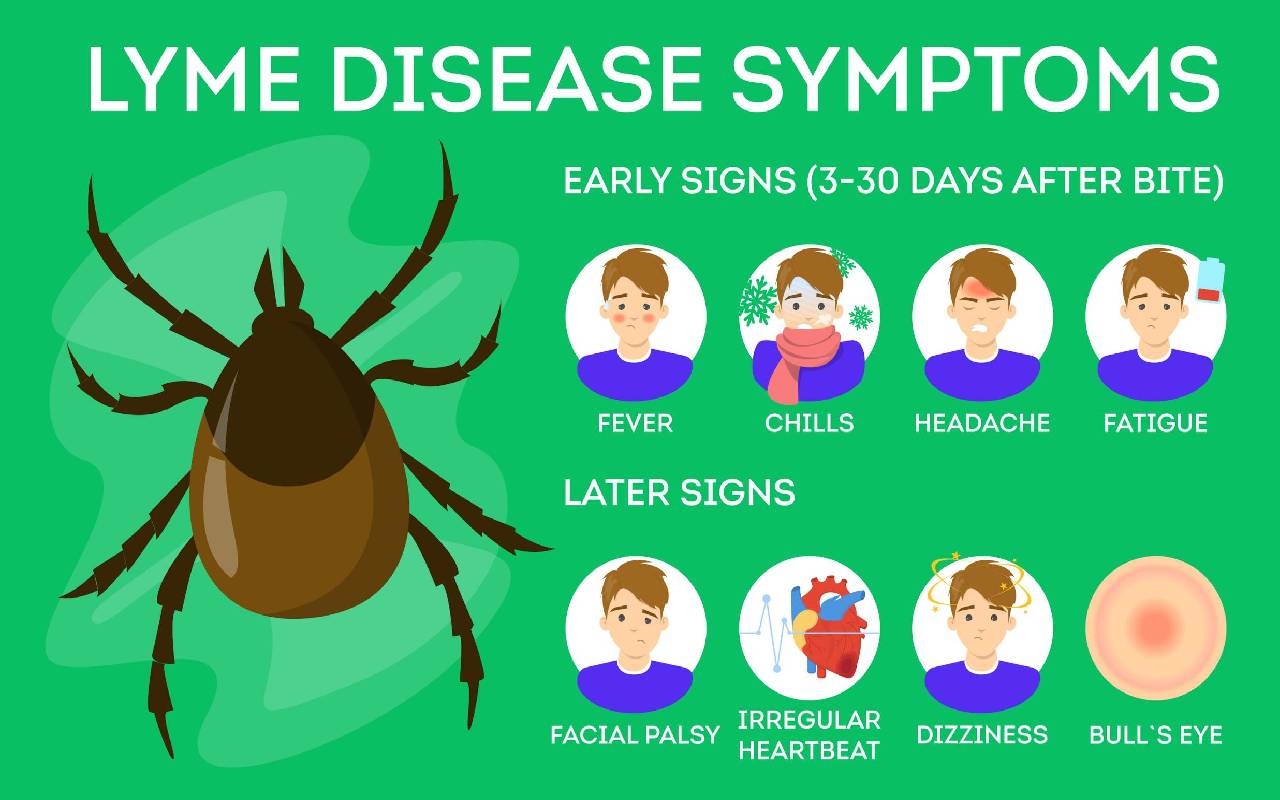
- Erythema migrans (EM) rash: A distinctive “bullseye” rash that expands over days or weeks, often appearing at the site of a tick bite. Not everyone with Lyme disease develops this rash, however.
- Flu-like symptoms: Fever, chills, fatigue, muscle and joint aches, and swollen lymph nodes.
- Neurological symptoms: In later stages, patients may experience facial paralysis (Bell’s palsy), numbness or weakness in limbs, and cognitive difficulties.
- Cardiac issues: Lyme carditis, which can cause irregular heart rhythms, is a serious but rare complication.
Diagnosis typically involves a combination of:
- Clinical evaluation by a healthcare provider.
- Laboratory tests, including enzyme-linked immunosorbent assay (ELISA) and Western blot tests, to detect antibodies to the bacteria.
- Patient history, including recent tick bites or exposure to tick-infested areas.
Delays in diagnosis are common because symptoms can mimic other conditions like the flu or arthritis. The Centers for Disease Control and Prevention (CDC) recommends seeking medical attention if symptoms persist for more than a few weeks, especially after potential tick exposure.
Prevention: How to Protect Yourself from Ticks
Preventing tick bites is the most effective way to avoid Lyme disease. Health authorities recommend the following precautions:
- Wear protective clothing: Choose light-colored, long-sleeved shirts and pants tucked into socks when outdoors. Treat clothing with permethrin, a tick repellent.
- Use EPA-approved repellents: Products containing 20-30% DEET, picaridin, or oil of lemon eucalyptus are effective at repelling ticks. Always follow label instructions.
- Conduct tick checks: Inspect your body, clothing, and gear for ticks after returning indoors. Pay special attention to warm, moist areas like armpits, groin, and behind the ears.
- Shower within two hours of being outdoors: Showering can help wash off unattached ticks and reduce the risk of infection.
- Create tick-safe zones: Keep lawns mowed short, remove leaf litter, and create a 3-foot barrier of wood chips or gravel between lawns and wooded areas to deter ticks.
- Protect pets: Use veterinarian-approved tick preventatives for dogs and cats, as they can bring ticks into your home.
If you find a tick attached to your skin, remove it promptly using fine-tipped tweezers. Grasp the tick as close to the skin as possible and pull upward with steady, even pressure. Avoid crushing the tick, and clean the bite area with soap and water. Save the tick in a sealed container if you develop symptoms, as it may be useful for diagnostic testing.
What’s Being Done to Address the Rising Risk?
In response to the growing Lyme disease threat, Québec and local municipalities are taking several steps:
- Public awareness campaigns: Health authorities are collaborating with parks and outdoor recreation organizations to educate the public about tick safety. Posters and online resources are being distributed widely.
- Surveillance and monitoring: The INSPQ and other agencies are expanding tick surveillance programs to track population trends and identify high-risk areas more precisely.
- Research initiatives: Universities and research institutions are studying tick behavior, habitat expansion, and potential vaccines or treatments for Lyme disease.
- Legislative measures: Some municipalities are considering stricter regulations on outdoor activities in high-risk zones, though no major policy changes have been implemented yet.
The Québec government has also established a dedicated Lyme disease hotline for residents to report tick bites and seek advice. The hotline operates seasonally but remains a critical resource for those concerned about exposure.
Key Takeaways: What You Should Do Now
- Be vigilant in the Laurentides: Ticks are active from spring through fall, with peak activity in May, June, and September.
- Know the symptoms: Watch for rashes, flu-like illness, or neurological signs after potential tick exposure.
- Take preventive measures: Use repellents, wear protective clothing, and conduct thorough tick checks after outdoor activities.
- Seek early treatment: If you suspect Lyme disease, consult a healthcare provider promptly for diagnosis and treatment.
- Stay informed: Follow updates from the INSPQ and local health authorities for regional advisories.
- Protect your family and pets: Ensure everyone in your household takes precautions, and use tick preventatives for pets.
Looking Ahead: What’s Next for Lyme Disease in Québec?
As climate change continues to reshape ecosystems, public health experts anticipate that Lyme disease will become an increasingly significant concern in Québec. The INSPQ’s latest report suggests that without intervention, the number of cases could rise by up to 50% within the next decade, particularly in southern Québec regions like the Laurentides.

Efforts are underway to improve diagnostic tools, expand treatment options, and enhance public education. However, individual actions remain the first line of defense. By staying informed and proactive, residents and visitors can significantly reduce their risk of contracting Lyme disease.
For the most up-to-date information, monitor official sources such as the Québec Ministry of Health and the INSPQ. If you have concerns about tick bites or Lyme disease symptoms, consult a healthcare professional immediately.
Have you or someone you know been affected by Lyme disease in the Laurentides? Share your experiences in the comments below, and help raise awareness about this growing health concern.
Related reading
- Red Fruits: Health Benefits, Cancer Protection, and Heart Health for Summer
- How the Tailfer Plant Transforms River Water into Drinking Water
- Denver Metro Intersection Safety Project Enhances Four Key Locations (news-usa.today)
- 3D DNA mapping in rare immune cells reveals new genes linked with autoimmune disease risk (archyde.com)