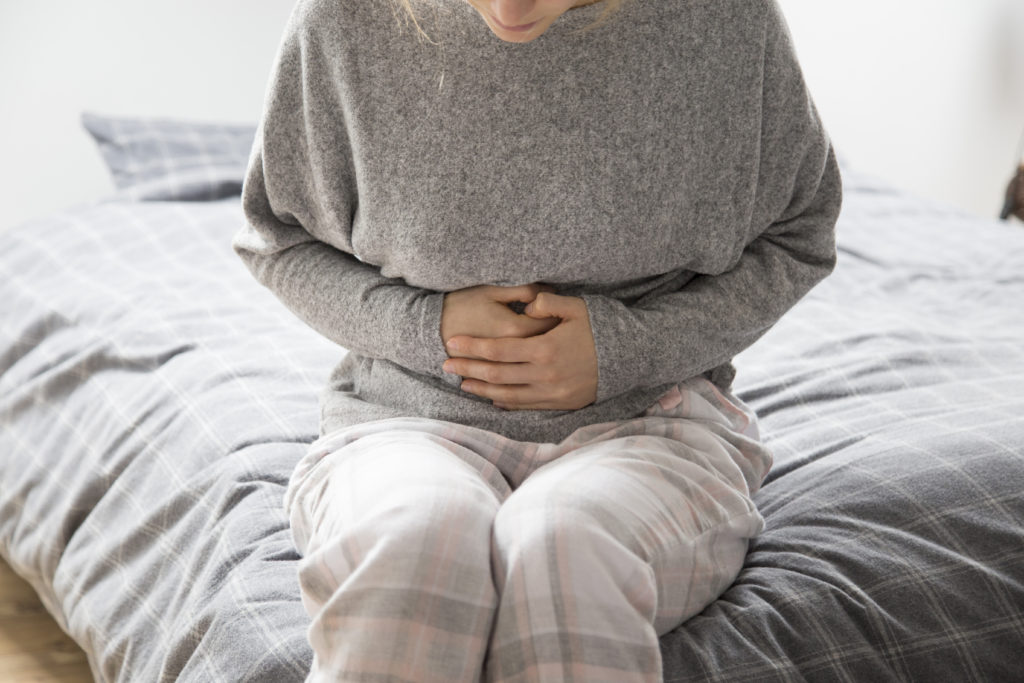
For many, the menstrual cycle is accompanied by a host of well-documented symptoms, ranging from abdominal cramping and headaches to mood fluctuations. Yet, there remains a persistent, often unspoken physiological reality for millions: the experience of gastrointestinal distress, specifically diarrhea, during menstruation. While clinicians have long recognized the physiological links between hormonal shifts and digestive health, it remains a topic shrouded in enough stigma that many individuals suffer in silence, unaware that these symptoms are a common, medically recognized phenomenon.
As we observe Menstrual Hygiene Day, an annual global awareness movement held on May 28, it is vital to shed light on the full spectrum of menstrual health. By moving beyond the silence, we can better understand the biological underpinnings of why the body reacts this way and, more importantly, how individuals can better manage their health throughout their cycle. Addressing these often-ignored symptoms is a crucial step toward normalizing menstrual wellness and ensuring that everyone has access to the information and facilities they need to manage their health with dignity.
The Physiological Link: Hormones and Digestion
The connection between the menstrual cycle and gastrointestinal function is primarily rooted in the role of prostaglandins. These are lipid compounds that act like hormones, playing a significant role in the body’s inflammatory response and muscle contractions. During the onset of menstruation, the lining of the uterus produces higher levels of prostaglandins to trigger the muscular contractions required to shed the uterine lining. This process is the primary driver of dysmenorrhea, or painful cramping.

However, prostaglandins do not act exclusively on the uterus. When these compounds enter the bloodstream, they can travel to other parts of the body, including the gastrointestinal tract. According to the National Institutes of Health (NIH), the increased presence of prostaglandins can cause smooth muscle contractions in the intestines, leading to more frequent bowel movements, cramping, and in many cases, diarrhea. This is a clear example of how systemic hormonal changes manifest in localized digestive symptoms.
the fluctuation of progesterone—another key hormone in the reproductive cycle—impacts digestive motility. As progesterone levels drop sharply just before menstruation begins, the body undergoes a series of changes that can alter transit time in the digestive system. For many, this combination of hormonal withdrawal and the surge in inflammatory prostaglandins creates the perfect environment for temporary, yet distressing, gastrointestinal changes.
Breaking the Stigma: Why We Must Talk About It
The stigma surrounding menstruation often limits the types of conversations that take place in schools, workplaces, and medical settings. When symptoms like diarrhea are treated as “taboo” or embarrassing, individuals are less likely to seek medical advice or share their experiences with peers. This isolation can lead to increased anxiety and a lack of preparedness, particularly when these symptoms interfere with daily activities.
Education is the most effective tool for dismantling these barriers. By understanding that gastrointestinal distress is a physiological byproduct of the menstrual cycle, individuals can shift from feeling “at fault” or embarrassed to being informed and prepared. Public health initiatives, such as those promoted during Menstrual Hygiene Day, emphasize the importance of access to sanitary facilities and products, but they also highlight the need for comprehensive health literacy. When we acknowledge the full breadth of menstrual symptoms, we empower individuals to advocate for their own well-being.
Practical Approaches to Management
While menstrual-related digestive symptoms are common, they do not have to be unmanageable. Medical professionals often suggest that tracking symptoms alongside the menstrual cycle can help individuals identify patterns and prepare accordingly. Keeping a health diary can be a powerful tool for those who find their digestive symptoms particularly disruptive, as it provides clear data for discussions with a primary care physician or gynecologist.
Dietary adjustments in the days leading up to and during menstruation may also offer relief for some. Increasing fiber intake, staying adequately hydrated, and limiting foods that are known to trigger digestive sensitivity can help stabilize the gut. However, it is essential to consult with a healthcare provider before making significant dietary changes or starting any new medication, especially if symptoms are severe, persistent, or accompanied by warning signs like significant blood in the stool or unexplained weight loss, which require professional medical evaluation.
Looking Ahead: The Future of Menstrual Health
The conversation around menstrual health is evolving, moving from a focus solely on basic hygiene to a more holistic view of reproductive and systemic health. This shift is essential for achieving true health equity. As organizations and policymakers continue to prioritize menstrual health education, the goal remains clear: to ensure that the physical, emotional, and social needs of menstruating individuals are met with empathy, scientific accuracy, and appropriate resources.
The next major checkpoint for global awareness in this sector will be the ongoing reports and policy updates surrounding menstrual health and reproductive rights, often tracked through major international health bodies. Readers are encouraged to stay informed through reputable medical journals and public health portals. We invite you to join the conversation—share your thoughts on how we can better support menstrual health education in our communities, and let us know what topics you would like to see covered in our upcoming features.
Related reading