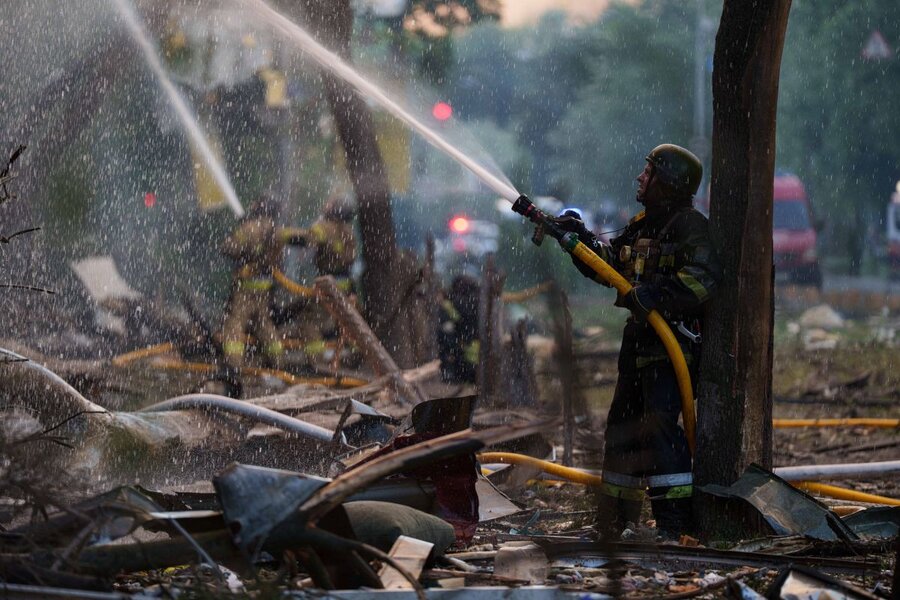
As the Ukrainian capital of Kyiv begins the arduous process of recovering from a significant series of aerial assaults, international observers are increasingly focusing their attention on Belarus. World leaders are closely watching Belarus for signs it might offer Russia further support for its ongoing invasion of Ukraine, a concern that has intensified following a recent, high-profile diplomatic visit to the city.
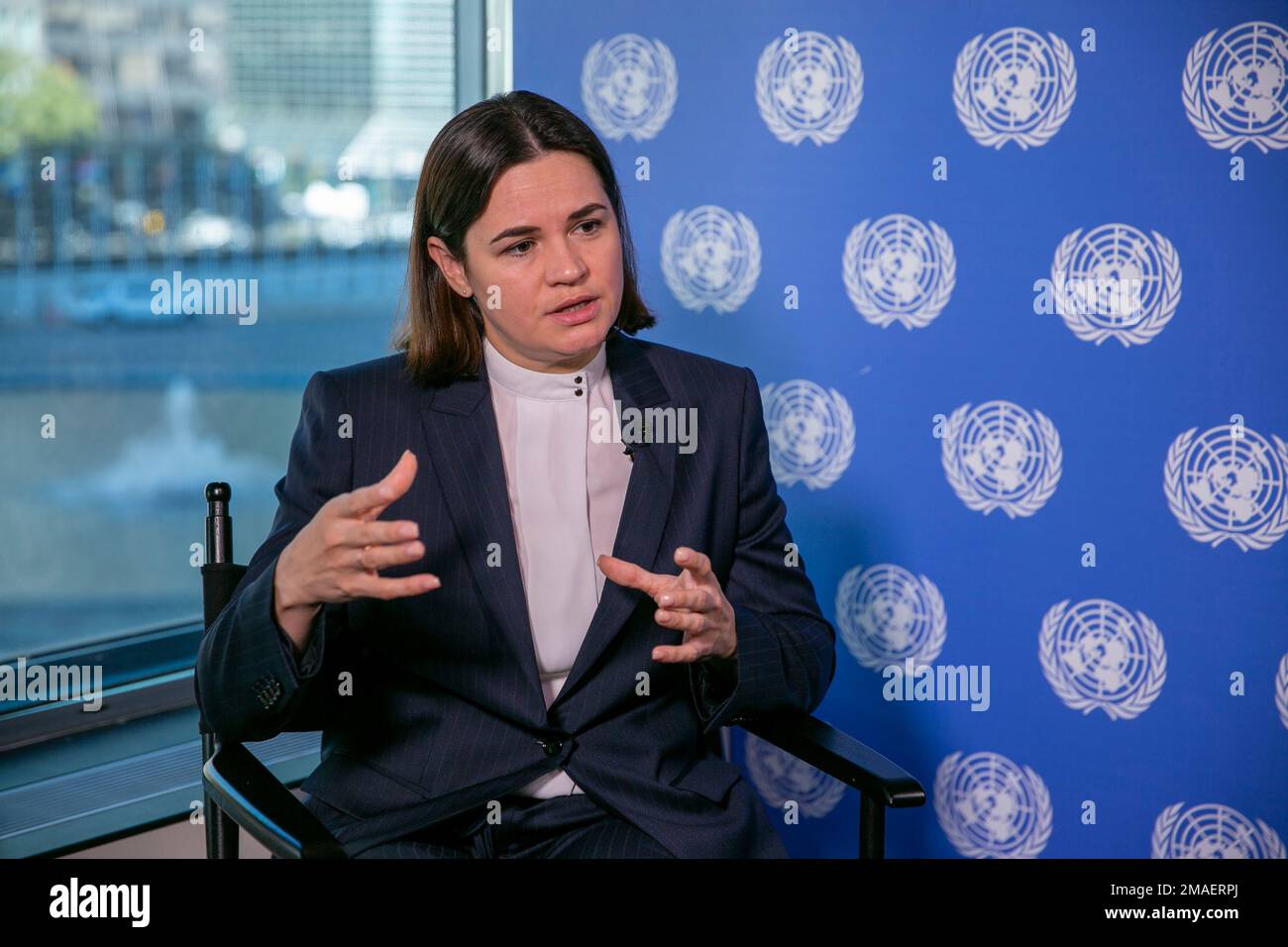
Sviatlana Tsikhanouskaya, the exiled leader of the Belarusian opposition, arrived in Kyiv on Monday, May 25, 2026, marking her first visit to the Ukrainian capital since the onset of the current conflict. Her presence in the city serves as a stark reminder of the complex geopolitical ties binding the region, as her movement continues to advocate for a democratic Belarus independent of Kremlin influence. Her arrival coincided with the aftermath of what local authorities have described as one of the most intense missile campaigns targeting the city this year, according to reports from international news agencies monitoring the situation.
Geopolitical Tensions and the Belarus-Russia Alliance
The role of Belarus remains a primary concern for Western intelligence agencies and the Ukrainian government. While Belarus has not formally sent its own troops to fight alongside Russian forces, the country has served as a logistical staging ground and a launchpad for Russian military operations since February 2022. The deployment of Russian nuclear assets to Belarusian territory, a move formalized by both Moscow and Minsk, has further complicated the security architecture of Eastern Europe, as noted in official defense updates regarding the regional nuclear posture.
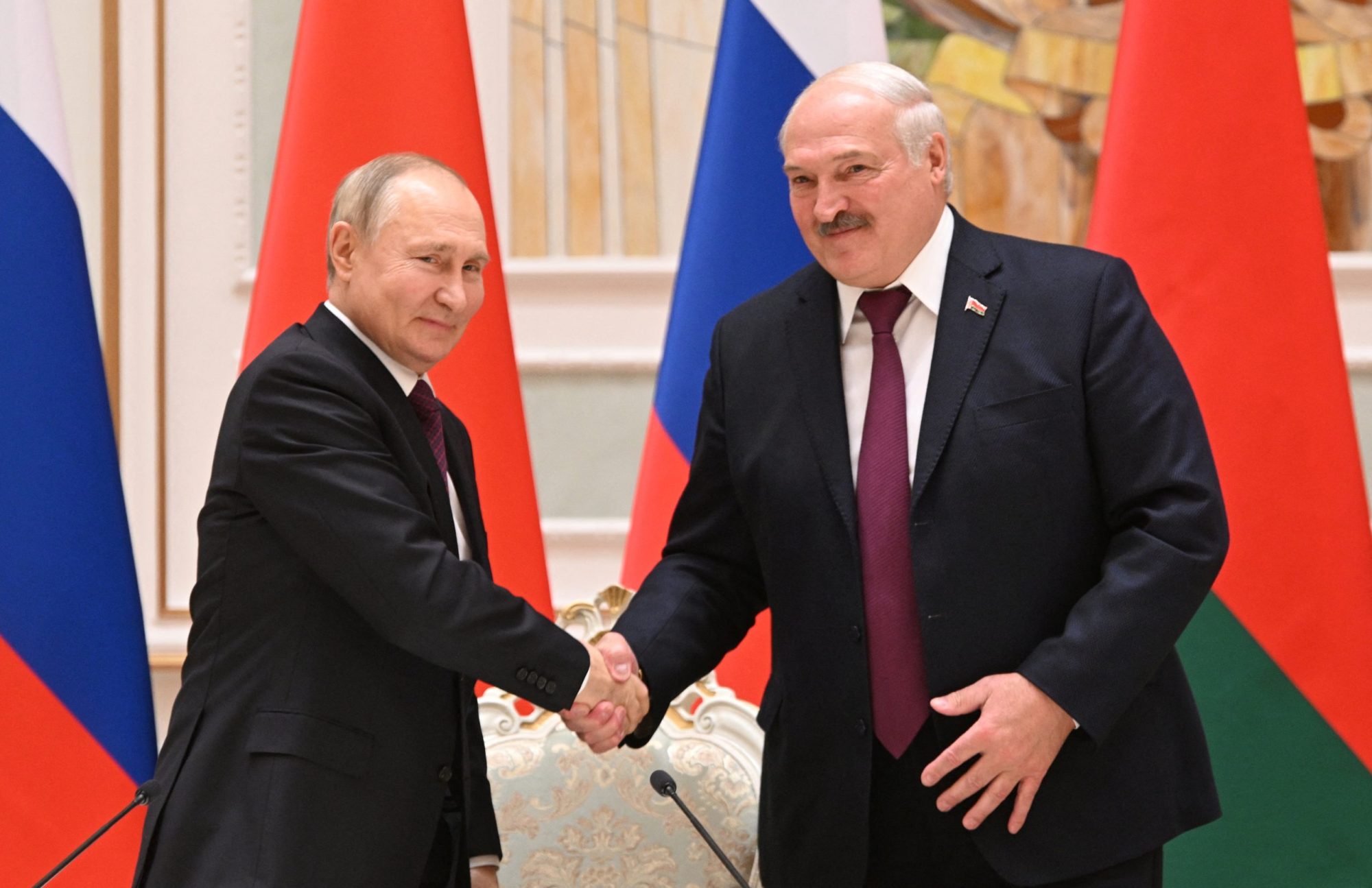
For the Belarusian opposition, the situation is clear: the current administration under Alexander Lukashenko is seen as having surrendered national sovereignty to Russia. Tsikhanouskaya has consistently argued that the presence of Russian military personnel and equipment within Belarus is an attempt to tighten Moscow’s grip on the nation. By visiting Kyiv, she seeks to align the democratic aspirations of the Belarusian people with the broader European struggle against Russian aggression.
Today, Russia is trying to tighten its control over Belarus through military presence, nuclear weapons, and Russification. That is why a democratic Belarus must be a reliable partner for our neighbors.
&mdash. Sviatlana Tsikhanouskaya (@Tsihanouskaya) May 25, 2026
Assessing the Strategic Threat
The strategic importance of Belarus to the Russian war effort cannot be overstated. By maintaining a military presence on Ukraine’s northern border, Russia forces the Ukrainian military to keep substantial defensive assets in the region, preventing their deployment to the active front lines in the east and south. This “northern threat” remains a constant variable in the strategic calculus of both Kyiv and its Western allies.
Western intelligence officials remain vigilant for any shift in Belarusian military posture. While there is currently no verified evidence of a mass mobilization of Belarusian ground forces for a direct offensive, the integration of military command structures between Moscow and Minsk continues to be a subject of intense scrutiny. The potential for the region to be used for further escalation remains high, particularly as Russia seeks to diversify its methods of pressuring the Ukrainian state.
Key Considerations for Regional Stability
- Logistical Support: Belarus continues to provide infrastructure and transit routes for Russian military logistics, which remains a critical component of the ongoing campaign.
- Regional Security: The integration of command-and-control systems between the two nations complicates the ability of international observers to distinguish between Russian and Belarusian military activities.
- Democratic Sovereignty: The opposition movement led by Tsikhanouskaya emphasizes that the Belarusian people do not support the current alignment with Moscow, advocating for a future defined by European integration.
The Path Forward
As recovery efforts continue in Kyiv, the international community continues to monitor the border regions with caution. The visit of Sviatlana Tsikhanouskaya underscores the ongoing, often overlooked, struggle for the future of Belarus. Her message to the international community is that a democratic change in Minsk is not only a matter of internal human rights but a necessity for the long-term security of the entire European continent.
The next major checkpoint for this situation will likely be the upcoming series of regional security summits, where leaders are expected to discuss the strengthening of sanctions and the potential for increased defensive support for countries bordering both Russia and Belarus. For now, the world waits to see if the status quo in Minsk will shift, or if the current alignment with Moscow will persist, further entrenching the geopolitical divisions that have defined the last several years.
As this is a developing situation, we encourage our readers to follow official updates from the Ukrainian Ministry of Defense and relevant international bodies. We welcome your thoughts and perspectives on these developments in the comments section below.
Related reading
- Scientists Scale California’s Grizzly Giant to Assess Health
- Ceuta Crisis: Geopolitics, Humanitarian Impact, and Spain-Morocco Relations
- Alex Ryvchin Painting: Jewish Community Leader with Tefillin in the Sea (archyde.com)
- Dziadkou and Piatrushka Win Belarus’s First Beach Pro Tour Gold in Qidong (archyworldys.com)