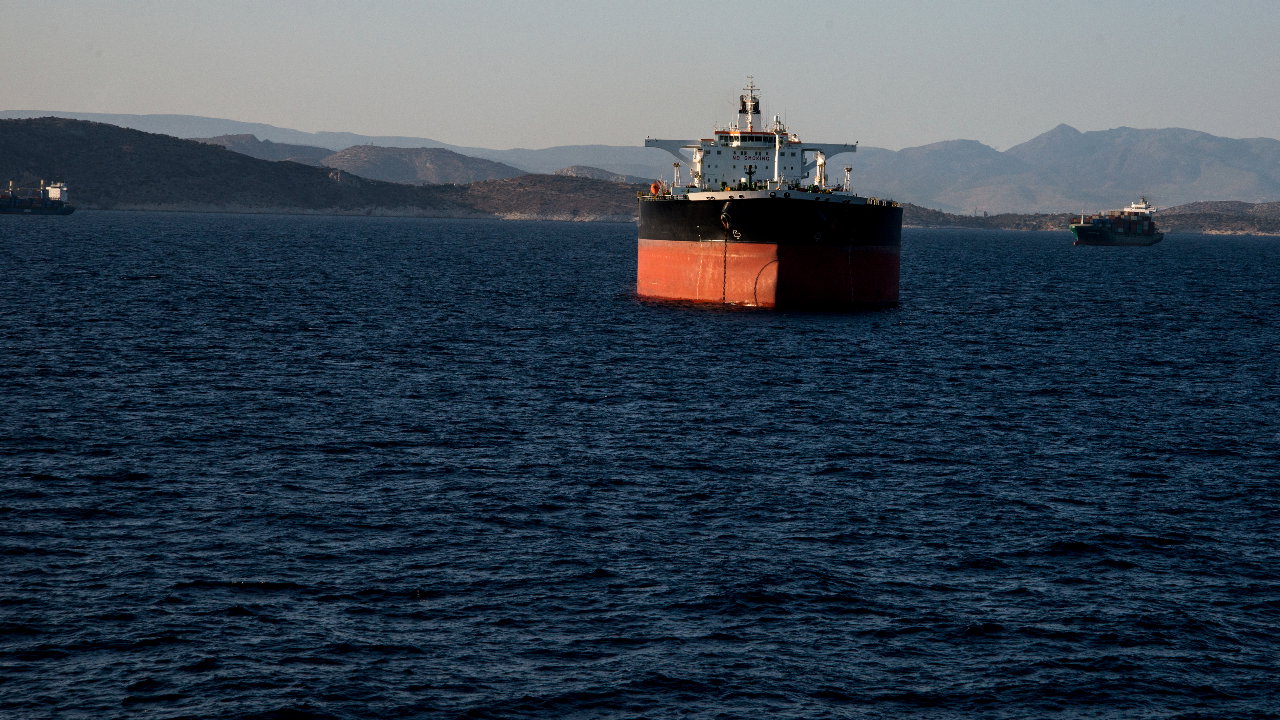
For decades, the global energy market has operated under a silent, looming anxiety: the vulnerability of the Strait of Hormuz. This narrow maritime corridor, a vital artery for the world’s oil supply, represents one of the most significant geopolitical chokepoints in existence. Any disruption within these waters—whether through military conflict, technical accidents, or political maneuvering—threatens to send shockwaves through global economies, causing immediate spikes in crude prices and destabilizing energy security for importing nations.
However, a strategic shift is underway among the Gulf’s energy heavyweights. Recognizing that maritime dependence is a structural weakness, major producers are aggressively investing in alternative logistics. Leading this charge is the Abu Dhabi National Oil Company (ADNOC), which is executing a massive expansion of its export infrastructure. By developing high-capacity pipeline networks that bypass the Strait of Hormuz entirely, Abu Dhabi is not merely increasing its volume; it is fundamentally reconfiguring its ability to navigate regional volatility.
This movement toward “de-risking” the supply chain marks a new era in Middle Eastern energy policy. It is a transition from a strategy of pure production volume to one of strategic resilience, where the ability to guarantee delivery is as critical as the ability to extract the resource itself.
The Chokepoint Dilemma: Why the Strait of Hormuz Matters
To understand the urgency of these infrastructure projects, one must grasp the sheer scale of the dependency. The Strait of Hormuz, located between Oman and Iran, serves as the primary exit point for much of the petroleum produced in the Persian Gulf. According to industry data, a significant portion of the world’s total daily oil consumption passes through this narrow waterway every single day. Even a temporary closure or a significant increase in transit risk can trigger extreme volatility in Brent and West Texas Intermediate (WTI) benchmarks.
The risk is not merely theoretical. The region has a long history of maritime tension, where the threat of blockades or interference with tanker traffic has been used as a tool of geopolitical leverage. For energy-importing nations in Asia and Europe, this creates a persistent “security premium” in oil pricing. For the producers themselves, reliance on a single, contested maritime route creates a ceiling on their strategic autonomy. If a conflict were to escalate within the Strait, even the most prolific producer could find its wealth effectively trapped behind a naval blockade.
ADNOC’s Strategic Pivot: Expanding Beyond the Strait
In response to these systemic risks, ADNOC has embarked on an ambitious program to expand its oil export capacity and, crucially, its delivery routes. A central component of this strategy involves the massive scaling of pipeline infrastructure that connects inland production fields directly to the Gulf of Oman, bypassing the Strait of Hormuz altogether.

One of the most critical assets in this bypass strategy is the pipeline infrastructure leading to the Port of Fujairah. Unlike the ports located on the Persian Gulf side, Fujairah sits on the Gulf of Oman, providing direct access to the open sea. By increasing the capacity of these pipelines, ADNOC is creating a “pressure valve” for the global energy market. In the event of a maritime disruption in the Strait, Abu Dhabi can theoretically maintain its export flows to international markets via the Fujairah terminal.
This expansion is part of a broader, multi-year roadmap. ADNOC has publicly stated its intention to increase its oil production capacity to reach 5 million barrels per day (bpd) by 2027. To support this massive increase in upstream output, the company is simultaneously fortifying its midstream and downstream capabilities. This dual approach ensures that the increase in production is matched by a corresponding increase in the reliability and flexibility of export logistics.
Infrastructure as a Hedge Against Geopolitical Volatility
From an economic perspective, these pipeline projects represent a massive capital expenditure that functions as a strategic insurance policy. While the cost of building and maintaining trans-national pipelines is substantial, the cost of a total supply disruption is infinitely higher—not just for the producer in lost revenue, but for the global economy in terms of inflationary pressure and industrial slowdowns.
The shift toward pipeline-based exports offers several key advantages:
- Route Diversification: By decoupling oil transit from the Strait of Hormuz, producers mitigate the impact of regional maritime conflicts.
- Increased Throughput Reliability: Pipelines can provide a more consistent and controlled flow of crude compared to the unpredictable nature of tanker transit through contested waters.
- Enhanced Negotiating Leverage: The ability to guarantee supply through multiple routes provides Gulf producers with greater stability in long-term supply contracts with global partners.
This trend is not unique to the United Arab Emirates. Other regional players, such as Saudi Arabia, have long utilized the East-West Pipeline to transport crude from the eastern provinces to the Red Sea, providing a similar hedge against the Strait of Hormuz. However, the scale and integration of ADNOC’s current projects suggest an even deeper commitment to long-term energy security and market dominance.
The Economic Implications for Global Energy Markets
The implications of this infrastructure build-out extend far beyond the borders of the Middle East. As the capacity to bypass the Strait of Hormuz grows, the “geopolitical risk premium” traditionally baked into oil prices may undergo a structural adjustment. If the market perceives that the threat of a Strait closure can be mitigated by alternative routes, the extreme price spikes associated with regional tensions may be dampened.
/industry-wired/media/media_files/2026/03/13/saudi-oil-tanker-reaches-mumbai-after-crossing-strait-of-hormuz-us-military-refuelling-aircraft-crashes-in-iraq-and-more-2026-03-13-15-33-03.jpg "Saudi Aramco oil tankers Strait of Hormuz")
the expansion of ADNOC’s capacity to 5 million bpd by 2027 will play a significant role in the global supply-demand balance. As the world navigates the complex energy transition, the role of reliable, high-capacity hydrocarbon producers remains central to global economic stability. The ability of these producers to guarantee supply through diversified routes ensures they remain indispensable players in the global energy mix, regardless of the shifting geopolitical landscape.
For investors and commodity traders, the focus is shifting from merely monitoring production levels to closely analyzing the progress of midstream infrastructure. The “bottleneck” is no longer just about how much oil can be pumped out of the ground, but how much can be reliably moved to the global market when tensions rise.
Looking Ahead: The Next Phase of Energy Logistics
The ongoing expansion of ADNOC’s export capabilities is a signal that the era of “unprotected” energy transit is coming to an end. As the technology for pipeline monitoring and the scale of terminal operations at Fujairah continue to advance, the Gulf’s energy giants are building a more resilient, more predictable, and more autonomous energy landscape.
The next critical milestone to watch will be the official capacity updates and project completion timelines provided in ADNOC’s upcoming quarterly operational reports. These filings will provide the most accurate data on how quickly the company is meeting its 2027 production and export targets. Any developments regarding the modernization of the Fujairah bunkering and storage facilities will serve as key indicators of the region’s readiness to handle increased bypass volumes.
As the landscape of global energy security continues to evolve, we invite our readers to share their perspectives. How do you view the impact of regional infrastructure on global commodity stability? Leave a comment below and share this analysis with your network.
Keep reading
- Best Used Motorcycles to Buy in 2026: Durable, Fuel-Efficient, and Value-Stable Models
- Spain’s Foreign Policy Crisis: Losing Trust as a Western Ally
- Phillies Acquire Luis Arraez from Giants, Triggering Infield Realignment (archyworldys.com)
- Padres Acquire Robbie Ray From Giants to Bolster Injury-Hit Rotation (time.news)