Cultural preservation and the celebration of ancestral traditions remain a vital component of the social fabric in China’s diverse provinces. In recent weeks, significant attention has been directed toward the Huashan Festival, a traditional gathering that serves as a focal point for the Miao people. These celebrations, which draw thousands of participants, underscore the enduring relevance of ethnic heritage in the modern era.
The Huashan Festival—distinct from the geographic landmark of Mount Hua in Shaanxi province—is a deeply rooted cultural event for the Miao ethnic group. These gatherings often feature traditional music, dance, and communal activities that reflect the historical identity of the Miao community. Such events provide a space for cultural transmission across generations, allowing elders to share stories and customs with younger members of the community.
The Significance of Miao Cultural Heritage
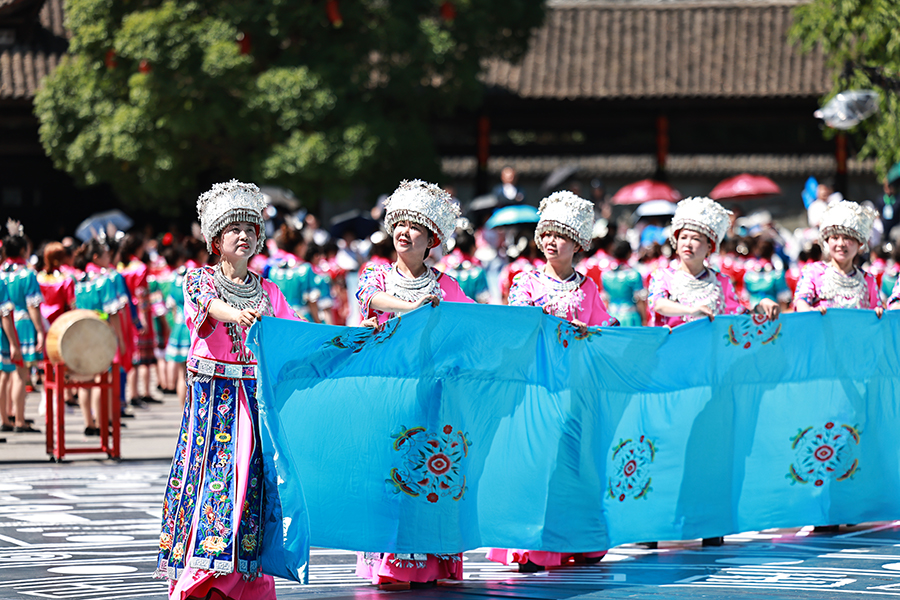
The Miao people, one of the largest ethnic minority groups in China, possess a rich cultural history that spans centuries. Their traditions are characterized by intricate textile work, unique silver ornamentation, and a complex oral history. The Huashan Festival acts as a vital venue for the display of these crafts and the performance of traditional rites, which are essential for maintaining group cohesion and identity in an increasingly urbanized society.
Observers of these festivals note that the events are not merely recreational; they are functional exercises in social bonding. By gathering in such large numbers, the Miao community reinforces its shared values and historical narratives. For many, these festivals offer a rare opportunity to engage with ancestral practices that are otherwise hard to maintain in a globalized, fast-paced environment. The inclusion of various delegations, including cultural representatives, highlights the festival’s role in fostering inter-regional dialogue and mutual understanding.
Cultural Diplomacy and Regional Engagement
The participation of diverse delegations at such festivals often serves as a form of cultural diplomacy. When representatives from different regions or administrative areas attend these events, it facilitates a broader exchange of traditions. This interaction is essential for the preservation of intangible cultural heritage, as it provides a platform for different groups to acknowledge and respect each other’s unique contributions to the national tapestry.
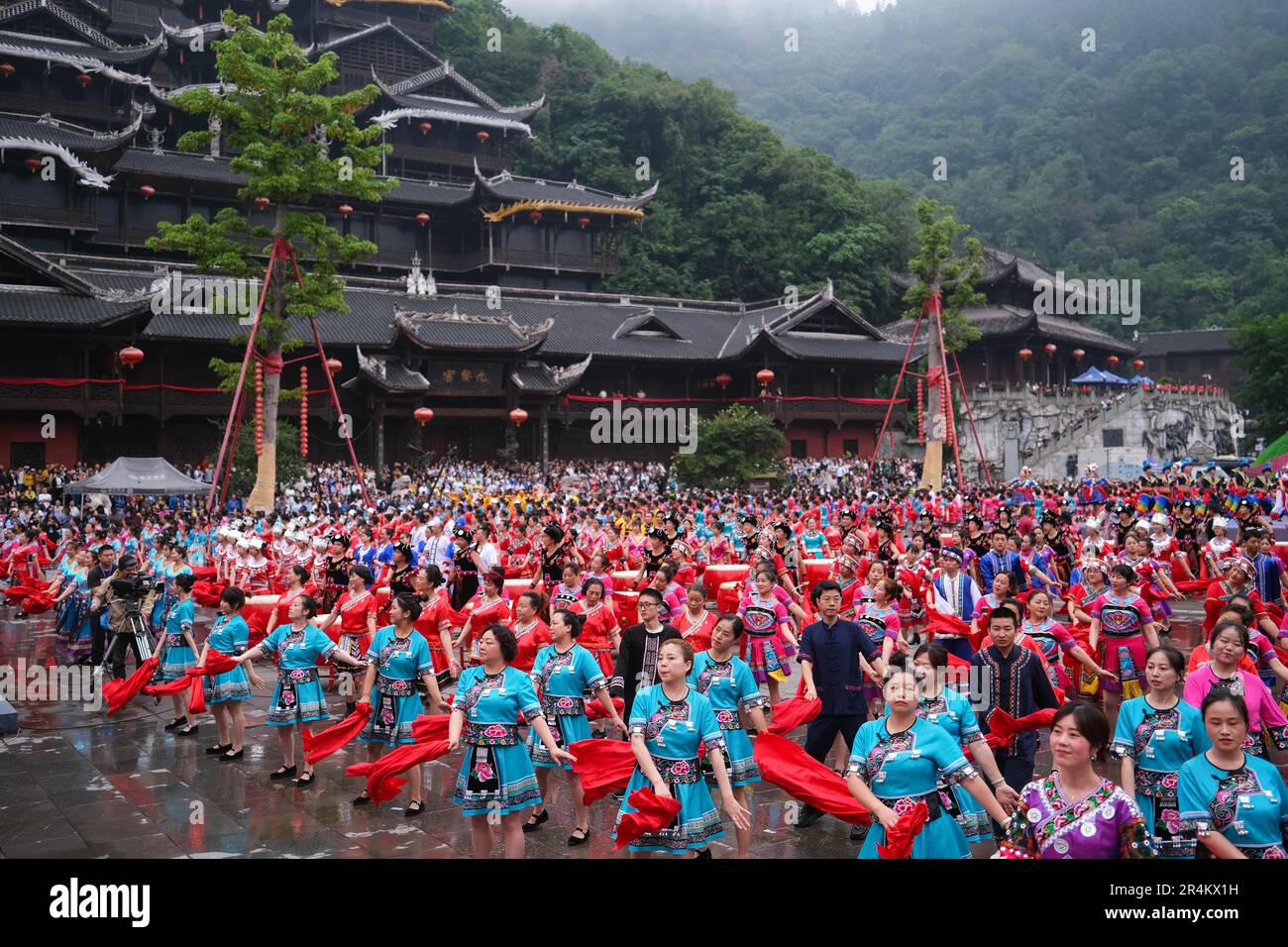
the scale of these events requires significant logistical coordination. Local authorities and community leaders work in tandem to ensure the safety and success of the gatherings. By providing the necessary infrastructure, these stakeholders enable the continuation of traditions that might otherwise fade. This collaborative effort between the state and community organizations is a defining feature of large-scale cultural events in China today.
Preserving Traditions in a Changing World
As China continues to undergo rapid economic and social transformation, the question of how to preserve cultural diversity becomes increasingly pertinent. The Huashan Festival serves as a practical model for balancing modernization with the retention of ethnic identity. By integrating traditional practices into the contemporary calendar, the Miao people ensure that their heritage remains a living, evolving entity rather than a static relic of the past.
Education also plays a critical role in this preservation. Schools and local cultural centers often participate in the festival preparations, teaching younger generations the significance of the songs, dances, and rituals being performed. This pedagogical approach ensures that the cultural capital of the Miao people is passed down effectively, mitigating the risks associated with cultural erosion in the digital age.
Key Takeaways for Cultural Observers
- Community Cohesion: The festival acts as a primary mechanism for social bonding and the reinforcement of ancestral values among the Miao people.
- Cultural Transmission: Through active participation, younger generations are engaged in the ongoing practice of their ethnic heritage.
- Inter-regional Dialogue: The presence of diverse delegations encourages broader cultural exchanges and mutual recognition.
- Logistical Support: Successful festival management relies on the cooperation between local community leaders and administrative bodies.
As we look toward the future, the continued success of the Huashan Festival will likely depend on the ability of the Miao community to adapt their traditions to the evolving needs of the younger generation while maintaining the core tenets of their identity. The commitment shown by participants to date suggests a strong foundation for the continued vitality of these cultural practices.
We invite our readers to share their thoughts on the importance of cultural festivals in the modern world. How do you see the balance between tradition and progress playing out in your own communities? Join the conversation in the comments section below, and be sure to share this report to keep the discussion on cultural preservation alive.
Related reading