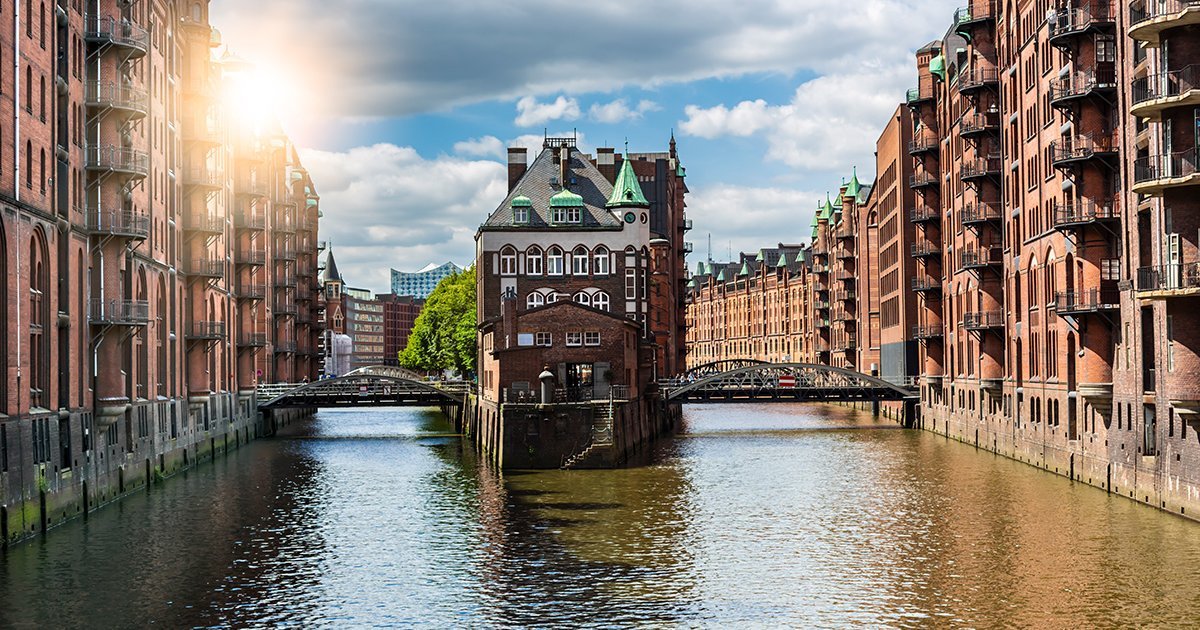
Hamburg continues to solidify its reputation as one of Germany’s most resilient and sought-after real estate markets, even as the broader European economic landscape undergoes significant structural shifts. For investors and residents alike, the Hanseatic city presents a complex tapestry of opportunity and exclusion, defined by a widening chasm between premium central districts and more affordable peripheral zones.
While the headline figures for the Hamburg property market suggest a degree of stability, a closer examination reveals a deeply bifurcated market. The “two Hamburgs”—a wealthy, high-demand core and a more price-sensitive periphery—are becoming increasingly distinct. This divergence is driven by a combination of localized scarcity, shifting interest rate environments, and a persistent imbalance between housing supply and urban demand.
As the city navigates the aftermath of the European Central Bank’s (ECB) aggressive interest rate hiking cycle, the real estate sector is recalibrating. For those looking to enter the market, understanding these localized price disparities is no longer just an advantage; We see a necessity for navigating the current economic climate.
The Price Spectrum: From Luxury Enclaves to Affordable Outskirts
The most striking feature of the Hamburg market is the extreme variance in price per square meter across its various districts. This disparity is not merely a matter of convenience or proximity to the city center, but a reflection of deep-seated socio-economic stratification and the scarcity of high-end real estate.
In the most prestigious neighborhoods, such as Blankenese, Harvestehude, and Eppendorf, property values remain remarkably high. These areas, characterized by historic architecture, proximity to the Elbe, and established wealth, command premium prices that often exceed the city-wide average by several thousand euros per square meter. In these enclaves, real estate is frequently viewed more as a “safe haven” asset class than a standard residential purchase, maintaining value even during periods of broader market volatility.

Conversely, districts such as Harburg, Wilhelmsburg, and Billstedt offer a significantly different entry point. While these areas have seen pockets of revitalization and urban development, they remain the primary options for those seeking more attainable price points. However, the gap is widening; as central areas become prohibitively expensive for the middle class, the pressure on these “affordable” districts increases, driving up demand and, prices in what were once considered budget-friendly zones.
This geographic pricing gap is further complicated by the “gentrification effect” seen in transitioning neighborhoods. As professionals are priced out of the core, they move to the inner rings of the periphery, creating a ripple effect of rising costs that moves outward from the city center.
Economic Drivers: Interest Rates and the Supply-Demand Imbalance
The current state of the Hamburg market cannot be understood without analyzing the macroeconomic forces at play. For much of the last decade, a low-interest-rate environment fueled a rapid ascent in property valuations across Germany. However, the pivot by the European Central Bank (ECB) to combat inflation has fundamentally altered the math for both buyers and developers.

The rise in borrowing costs has had a dual impact. First, it has reduced the purchasing power of individual buyers, leading to a cooling of the rapid price appreciation seen in previous years. Second, it has significantly hampered the construction sector. Higher financing costs, combined with the elevated prices of raw materials, have led to a noticeable slowdown in new residential developments across Hamburg.
This slowdown in supply is the primary driver of the current market tension. Hamburg is facing a chronic shortage of new housing units, a problem exacerbated by stringent urban planning regulations and the high cost of land. When supply remains stagnant while demand—driven by both domestic migration and international interest—continues to grow, the upward pressure on prices remains, even in a higher-interest-rate environment.
Key Market Pressures:
- Financing Costs: Increased mortgage rates have shifted the buyer profile from speculative investors to more cautious, equity-heavy purchasers.
- Construction Stagnation: High interest rates and material costs have stalled many planned residential projects, tightening future supply.
- Urban Density: The limited availability of developable land within the city limits keeps land values high, regardless of broader economic cooling.
District Analysis: Where the Value Lies
For stakeholders looking to understand the granular reality of the market, a comparison of district-level trends is essential. While exact figures fluctuate monthly based on transaction volume, the hierarchy of the Hamburg market remains consistent.
| Market Tier | Representative Districts | Primary Driver | Price Profile |
|---|---|---|---|
| Ultra-Premium | Blankenese, Harvestehude | Scarcity & Prestige | Highest (Significant Premium) |
| Established Urban | Eimsbüttel, Altona, Eppendorf | Infrastructure & Lifestyle | High / Stable |
| Emerging / Mid-Range | Wandsbek, Bergedorf | Connectivity & Growth | Moderate |
| Value / Entry-Level | Harburg, Billstedt | Affordability & Expansion | Lowest (Relative) |
The Investor’s Dilemma: Yields vs. Stability
For institutional and private investors, the Hamburg market presents a classic trade-off between capital appreciation and rental yields. In the premium districts, the focus is almost exclusively on capital preservation and long-term appreciation. The risk of significant price drops is mitigated by the extreme scarcity of the assets, but the rental yields in these areas are often lower due to the high entry costs.
In contrast, the more affordable and emerging districts offer more attractive rental yields. As the demand for housing in Hamburg continues to outpace supply, the rental market has become increasingly tight. This creates a compelling case for investors targeting the mid-to-low-tier segments, where vacancy rates remain low and rental growth remains steady.
However, investors must also weigh these yields against the risks of urban development shifts and potential regulatory changes. In Germany, the political landscape regarding tenant protections and rent controls (such as the Mietpreisbremse) is a critical factor that can impact the long-term profitability of residential real estate portfolios.
Key Takeaways for Market Participants
- For Buyers: The market is no longer a “rising tide lifts all boats” scenario. Location-specific research is critical to avoid overpaying in cooling sub-markets.
- For Renters: Competition remains fierce in central districts; looking toward well-connected peripheral zones may offer better value.
- For Investors: Focus on areas with planned infrastructure improvements or significant urban development projects to capture yield and appreciation.
- Macro Outlook: Monitor ECB policy closely, as interest rate stability will be the primary catalyst for a return to high-volume transaction activity.
Looking Ahead: What to Watch
The Hamburg real estate market is currently in a state of transition. As the initial shock of the interest rate hikes settles, the market is entering a period of price discovery. The degree to which prices stabilize or continue to adjust will depend heavily on the trajectory of inflation and the subsequent actions of central bankers.
the city’s ability to meet its housing targets through new construction will be a decisive factor. Any significant policy shifts in urban planning or incentives for developers could alleviate the supply crunch and moderate the extreme price disparities currently observed.
Next Scheduled Milestone: Market participants should closely monitor the upcoming quarterly release of the property price index by the Gutachterausschuss für Grundstückswerte in Hamburg, which will provide the most authoritative data on recent transaction trends and price movements.
What are your observations on the Hamburg property market? Are you seeing these price gaps in your own neighborhood? Share your thoughts in the comments below and join the conversation.