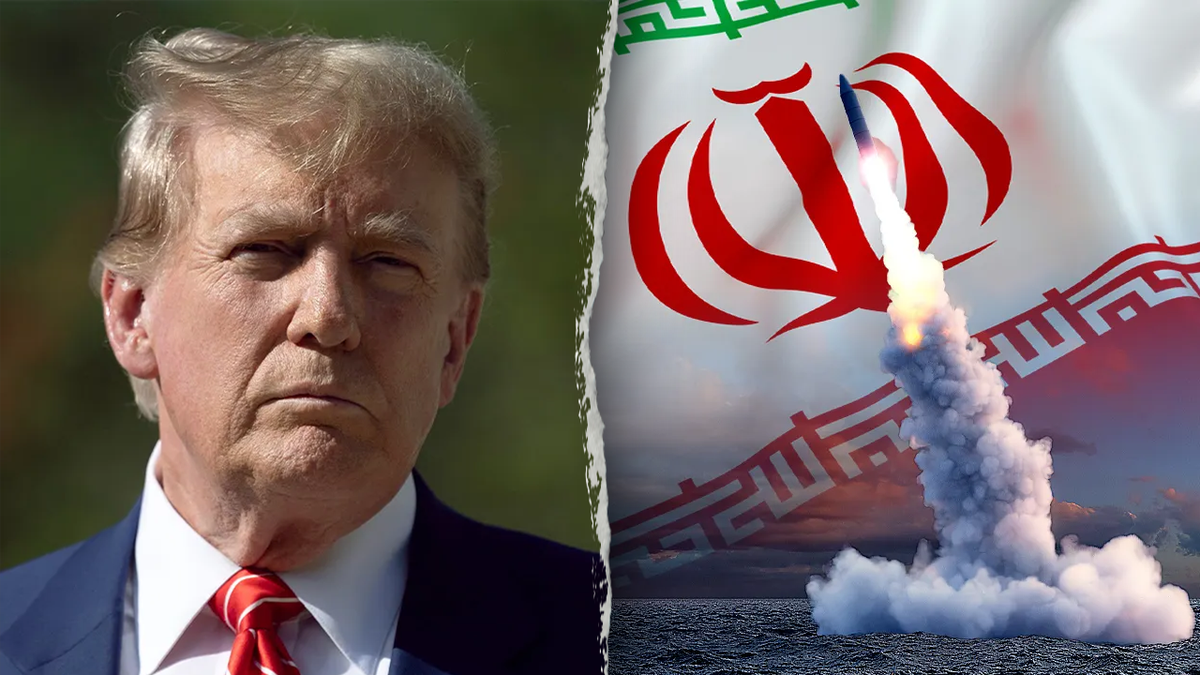
As the international community watches with bated breath, the status of ongoing diplomatic efforts between the United States and Iran remains a focal point of global geopolitical discourse. In recent months, the administration of President Donald Trump has engaged in a complex series of maneuvers regarding the Islamic Republic’s nuclear program, marked by fluctuating rhetoric and shifting stances on the possibility of a formal agreement.
The current landscape of U.S.-Iran relations is defined by a cycle of intensive diplomatic communication and abrupt reversals. While the prospect of a deal has been a recurring theme in the headlines, the administration has maintained a firm, often confrontational posture, characterized by the rejection of specific proposals and the suspension of scheduled high-level meetings. This ongoing volatility underscores the deep-seated challenges in bridging the divide between Washington and Tehran, particularly as regional leaders and international stakeholders monitor the potential for de-escalation.
A Timeline of Diplomatic Strains
The path toward a potential agreement has been anything but linear. Tensions have remained elevated throughout early 2026, with the U.S. Executive branch employing a strategy that balances the rhetoric of potential negotiation against the reality of broken communication channels. As reported by PBS NewsHour, as recently as January 13, 2026, President Trump declared that he had called off planned meetings with Iranian officials, signaling a significant setback in diplomatic engagement. The administration’s approach has frequently involved promises of unspecified alternative measures, leaving both domestic observers and international allies to navigate a landscape of uncertainty.
This pattern of engagement continued into the spring. By May 12, 2026, reports indicated that the administration had officially declined a counter-proposal submitted by Iran aimed at resolving the long-standing conflict. The rejection of this proposal serves as a definitive marker in the current diplomatic timeline, illustrating the administration’s refusal to accept terms that do not align with its established criteria for a deal.
The Rhetoric of Negotiation
Central to this saga is the President’s own characterization of the process. In public remarks, the administration has often dismissed critics of its Iran policy, asserting that those who question the efficacy of its current diplomatic maneuvers lack a full understanding of the intricacies involved in these high-stakes discussions. This defensive stance is coupled with periodic claims that a breakthrough is imminent, creating a stark contrast between official optimism and the lack of a tangible, signed agreement.
For observers in Sofia and across the globe, the situation represents a profound test of modern statecraft. The reliance on personal diplomacy, combined with the volatility of the President’s public messaging, complicates the ability of international bodies to play a mediating role. The geopolitical implications are significant, as regional stability remains tethered to the outcome of these sporadic and often stalled discussions.
What Happens Next?
The current state of affairs leaves the international community in a position of waiting for the next official update from the White House or the State Department. Given the history of sudden cancellations and public rejections, the immediate future of the U.S.-Iran relationship remains highly fluid. No further high-level summits have been confirmed, and the administration has yet to outline a clear, secondary pathway for engagement following the rejection of the May counter-proposal.
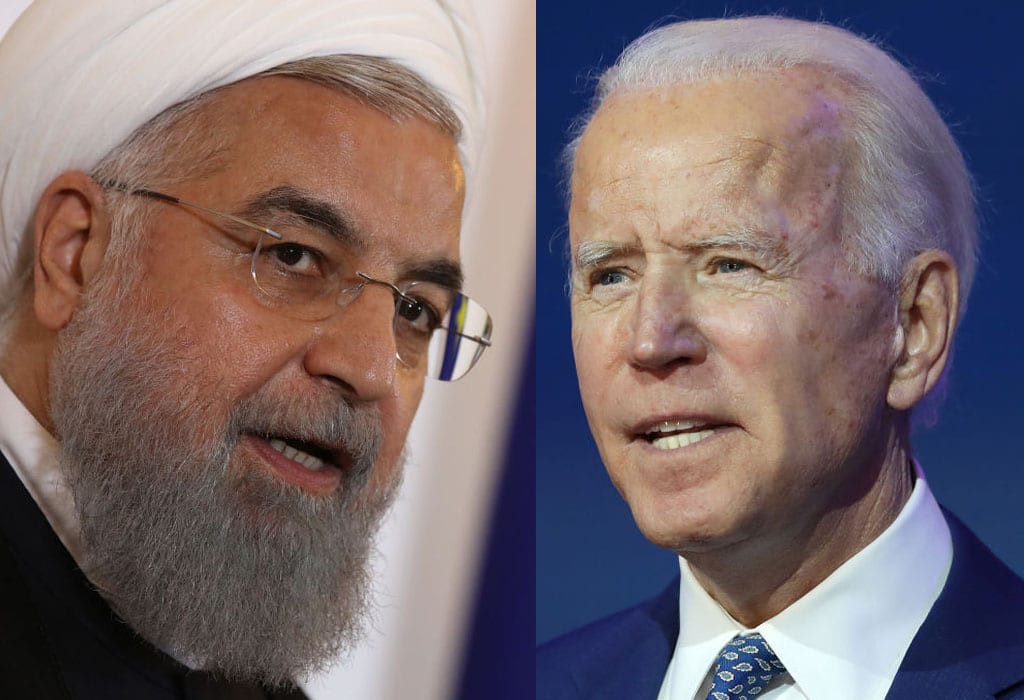
As we continue to track these developments, the complexity of the nuclear file and the broader regional tensions will undoubtedly remain at the forefront of the global agenda. We invite our readers to share their perspectives on these developments in the comments section below, and to stay tuned for further updates as they emerge from official channels.
Maria Petrova is the Editor of the World section at World Today Journal. With over 14 years of experience in international reporting, she provides analysis on the geopolitical forces shaping our world.
Keep reading
- Fast-Moving Wildfire Destroys 230 Homes in Western Canada Indigenous Community
- Prince Louis’ Viral Moment: The Cute Behavior That Has the World Entertained
- Trump’s Former Lawyer Clears Key Hurdle for Attorney General Role (world-today-news.com)
- Dow Jumps 1,000 Points as Bessent Hints at Potential Iran Shipping Deal (time.news)