As the Jupiler Pro League approaches its climactic final stages, KRC Genk finds itself navigating a precarious personnel crisis ahead of their critical European qualification match against KAA Gent at the Planet Group Arena. Scheduled for Sunday, May 31, 2026, this fixture has become a focal point of intense debate regarding the scheduling of professional football matches in alignment with international availability windows.
The core of the dispute lies in the intersection of club obligations and the impending FIFA regulations regarding player release for national team preparations. According to the current governing mandates, national associations participating in upcoming World Cup cycles are entitled to recall their players for training camps beginning May 30, 2026. This regulatory window directly conflicts with the domestic league calendar, forcing KRC Genk to face a vital high-stakes encounter without several key members of their first-team squad.
Personnel Shortages and Strategic Challenges
The impact on KRC Genk’s roster is significant. The club has confirmed that players Junya Ito, Christopher Kayembe, and Carlos Medina will be unavailable for the trip to Ghent. These athletes have been called up by their respective national teams—Japan, Congo, and Ecuador—to begin their international duties, leaving manager Nicky Hayen with the hard task of reconfiguring his tactical approach for one of the most important matches of the season.
Beyond the confirmed absences, the squad remains in a state of flux. The availability of other contributors, including El Ouahdi and Karetsas, remains uncertain as the technical staff monitors their fitness and status. This combination of scheduled international departures and lingering injury concerns has led to internal frustration within the club regarding the timing of the match.
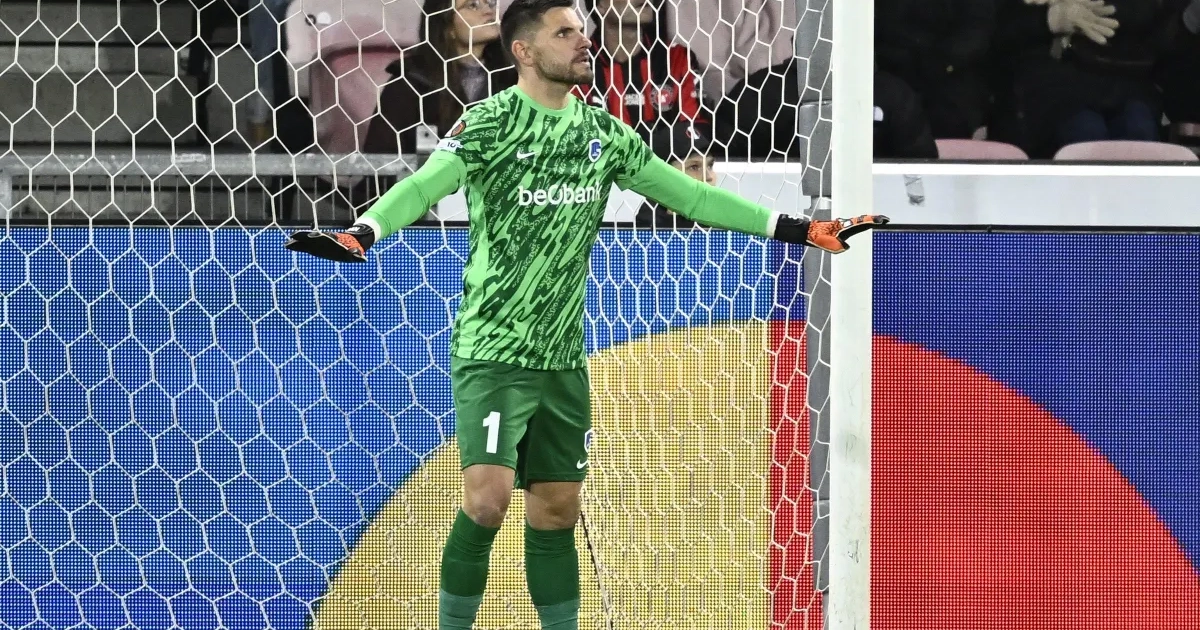
Goalkeeper Hendrik Van Crombrugge has characterized the situation as a severe depletion of the team’s strength. Addressing the logistical hurdles, Van Crombrugge noted that the current circumstances effectively function as a “decapitation” (onthoofding) of the starting eleven. The sentiment among the players and staff is that the calendar committee’s decision to place such a pivotal fixture on a Sunday—rather than an earlier date—has unnecessarily complicated the team’s ability to compete at full strength.
Calendar Controversies and Professional Standards
The scheduling decision has drawn criticism from observers who highlight the broader implications for player welfare and competitive integrity. In recent commentary regarding the match, analysts have questioned the rationale behind moving a fixture that, in previous seasons, had been held on a Thursday. The consensus among those critical of the shift is that the extra three days of preparation and recovery provided by a mid-week slot would have been beneficial for all participants involved in the high-intensity playoff structure.

For KRC Genk, the immediate focus remains on the logistical and tactical preparation for the Sunday encounter. While the club manages the absence of its international contingent, the match against KAA Gent represents a crossroads for their European ambitions. The outcome of this fixture will not only influence the final standings of the current campaign but will also serve as a foundational moment for the club’s strategy heading into the next year.
The situation highlights the persistent tension between domestic leagues and the global football calendar. As FIFA continues to standardize international release dates, clubs are increasingly forced to manage their resources under tighter constraints, particularly as the gap between the end of domestic seasons and the start of summer tournaments narrows.
Moving Forward
The upcoming match on May 31, 2026, will be a test of depth for the Genk squad. Fans and analysts alike will be watching to see how Nicky Hayen adapts his formation to compensate for the loss of his international stars. The club has yet to issue further updates regarding the final status of its doubtful players, and supporters are encouraged to monitor official club channels for the final team sheet announcement closer to kickoff.

We invite our readers to join the discussion on the impact of international scheduling on domestic leagues. How do you believe football authorities should balance the needs of national teams with the integrity of club competitions? Share your thoughts in the comments section below.
Keep reading