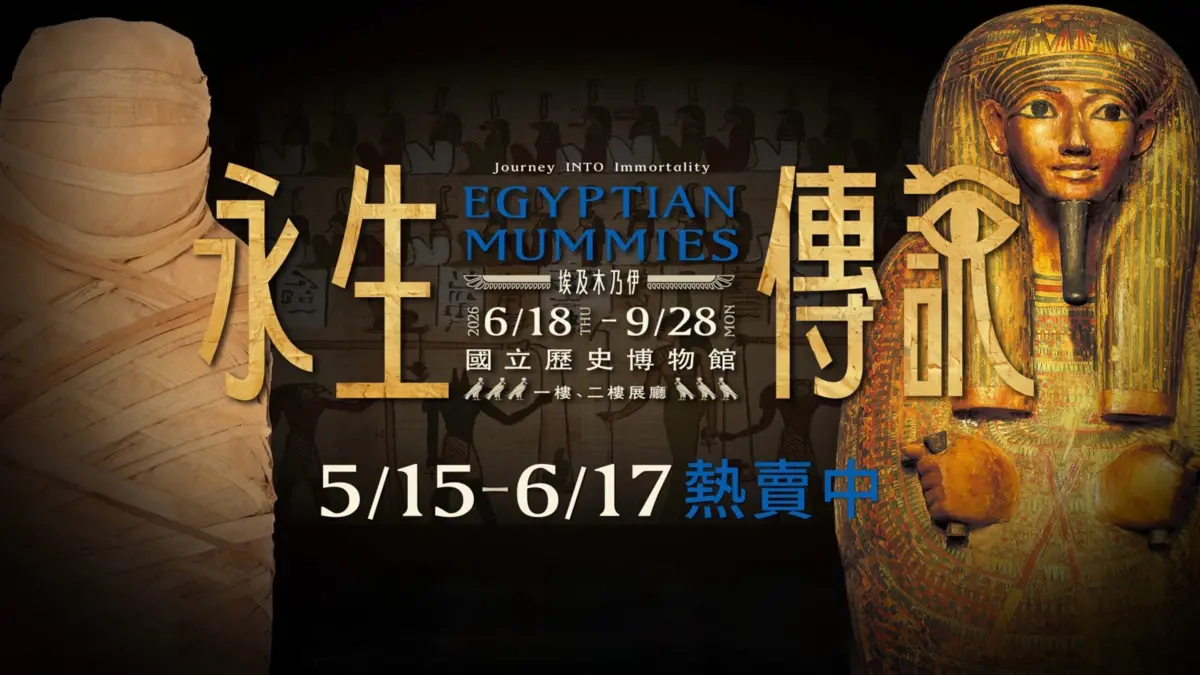
The international logistics of cultural heritage preservation often involve complex regulatory hurdles, but a recent situation involving the transport of ancient Egyptian artifacts has highlighted the extraordinary bureaucratic challenges faced by modern museums. As institutions prepare for upcoming exhibitions, the process of moving centuries-old funerary remains has led to unexpected friction with commercial air carriers, particularly regarding the documentation required for their transit.
The core of the issue involves the logistical preparation for a high-profile exhibition scheduled to open at the National Museum of History in Taipei on June 18, 2026. Organizers are working to bring four authentic ancient Egyptian mummies to the island for public display. However, the specialized nature of these artifacts has created a unique conflict with international aviation standards and carrier policies, as some airlines have reportedly requested formal death certificates—a requirement that is fundamentally impossible to fulfill for individuals who lived millennia ago.
Navigating Global Logistics and Cultural Heritage
The challenge of transporting human remains, even those of archaeological significance, falls under a specialized category of air cargo. International aviation regulations, such as those governed by the International Air Transport Association (IATA), have stringent guidelines for the transport of human remains (HUM). These guidelines are designed for contemporary health and safety protocols rather than historical artifacts. When museums attempt to move ancient mummies, they often face a disconnect between standard cargo classification systems and the reality of historical preservation.
According to the International Air Transport Association guidelines for specialized cargo, the carriage of human remains requires specific documentation to ensure public health compliance. While these rules are intended for modern funeral logistics, the lack of a standardized international protocol for “archaeological remains” often leaves museum curators at the mercy of individual airline legal departments, which may interpret these rules with excessive caution to mitigate liability.
The Documentation Dilemma
The requirement for a death certificate has emerged as a significant barrier for the Taipei exhibition. For curators and historians, the request is not only logistically impossible but also highlights a lack of specific training or awareness within the commercial aviation sector regarding the transport of historical human remains. While one carrier has reportedly agreed to facilitate the transport, the negotiation process underscores the difficulties of managing international cultural exchanges in a post-pandemic regulatory environment, where air carriers have become increasingly risk-averse.

This situation is not isolated to this specific exhibition. As museums globally continue to re-evaluate the ethics and logistics of human remains in collections, the International Council of Museums (ICOM) continues to provide frameworks for the handling and movement of such items. However, these guidelines are advisory and do not supersede the operational policies of private aviation companies, which maintain the final authority on what cargo they accept for transit.
What to Expect at the Taipei Exhibition
Despite these transport hurdles, the exhibition at the National Museum of History is confirmed to proceed, with the official opening date set for June 18, 2026. The exhibition aims to provide a comprehensive look at ancient Egyptian burial practices, life, and the preservation of historical figures. For those interested in the details of the upcoming event, the National Museum of History official portal provides the most reliable information regarding ticketing, safety protocols, and the educational scope of the collection.
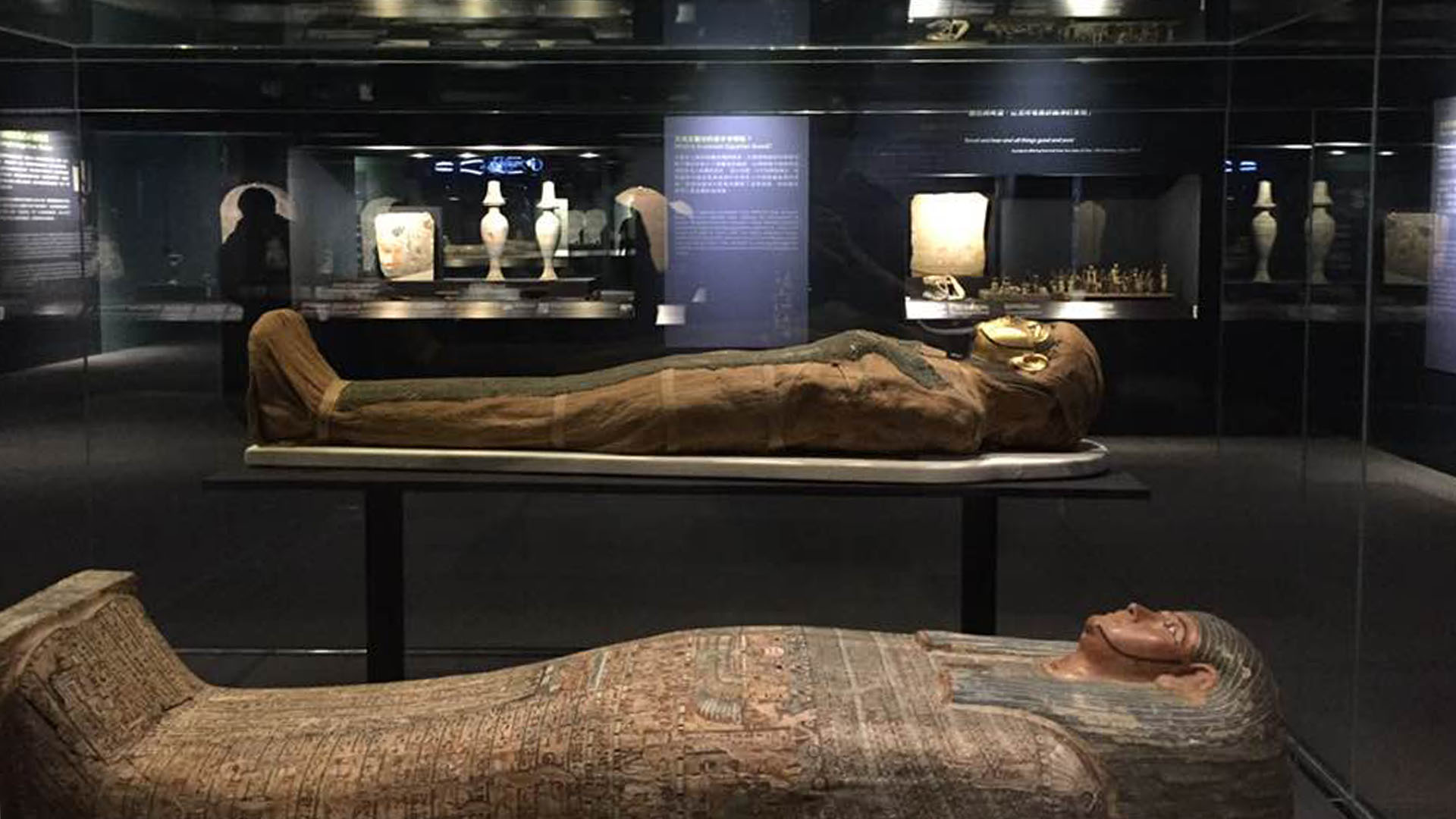
The exhibition is part of a broader trend of increased interest in Egyptology across the region, with various institutions planning thematic displays throughout the year. Visitors can expect to see not only the mummified remains but also a collection of funerary artifacts that provide context for the ancient Egyptian belief systems surrounding death and the afterlife.
Key Takeaways for Visitors
- Exhibition Opening: June 18, 2026, at the National Museum of History.
- Focus: The exhibition features four authentic ancient Egyptian mummies alongside historical funerary objects.
- Logistical Context: The transport of these artifacts required extensive negotiations with airlines to bypass standard modern human remains protocols.
- Visitor Information: Please consult the museum’s official website for updates on opening hours and entry requirements as the date approaches.
As the date of the opening nears, the museum is expected to release further details on the provenance of the artifacts and the specific archaeological research associated with this collection. The effort to bring these pieces to the public serves as a reminder of the delicate balance between scientific research, museum stewardship, and the complex, often unpredictable nature of global logistics.
We invite our readers to share their thoughts on the balance between modern regulatory compliance and the preservation of historical artifacts. For those planning to visit, stay tuned to the museum’s official channels for any changes to the schedule or additional exhibition programming.