
Slovakia’s Political Crisis Intensifies as Opposition Demands Gašpar’s Resignation Over Kuciak Case Links
Slovakia’s political landscape is in turmoil as opposition lawmakers escalate their demands for the resignation of Parliament Speaker Boris Gašpar, citing his alleged connections to the unsolved 2018 murder of investigative journalist Ján Kuciak. The case, which exposed widespread corruption in the country’s political and business elite, has become a flashpoint in the ongoing power struggle between Prime Minister Robert Fico’s government and opposition parties. With public trust in institutions at an all-time low, the crisis raises questions about Slovakia’s democratic stability and the rule of law.
The opposition’s push gained momentum after a parliamentary committee recommended financial penalties for Gašpar, who allegedly failed to disclose assets in his 2025 financial disclosure. While the committee’s decision—potentially imposing three months’ salary for each year of nondisclosure—has not yet been finalized, opposition leaders have framed it as a precursor to broader accountability measures. “The Kuciak case is not just about one murder—it’s about systemic corruption that has festered for years,” said a senior opposition MP, emphasizing the need for Gašpar’s immediate resignation.
The Kuciak murder, which shocked Slovakia and the broader European Union, remains one of the country’s most high-profile unsolved crimes. The journalist was investigating alleged ties between Italian mafia figures and Slovak politicians, including members of Fico’s Smer-SD party. Despite multiple investigations and international pressure, no convictions have been secured in the case, fueling public skepticism about the government’s commitment to transparency.
Key Developments in the Crisis
- Parliamentary Pressure: Opposition parties are invoking the Kuciak case to demand Gašpar’s resignation, framing it as a moral and legal imperative.
- Financial Penalties: A parliamentary committee recommended fines for Gašpar, though the final decision has not been announced.
- Unsolved Murder: Ján Kuciak’s 2018 killing remains unresolved, with no convictions despite multiple investigations.
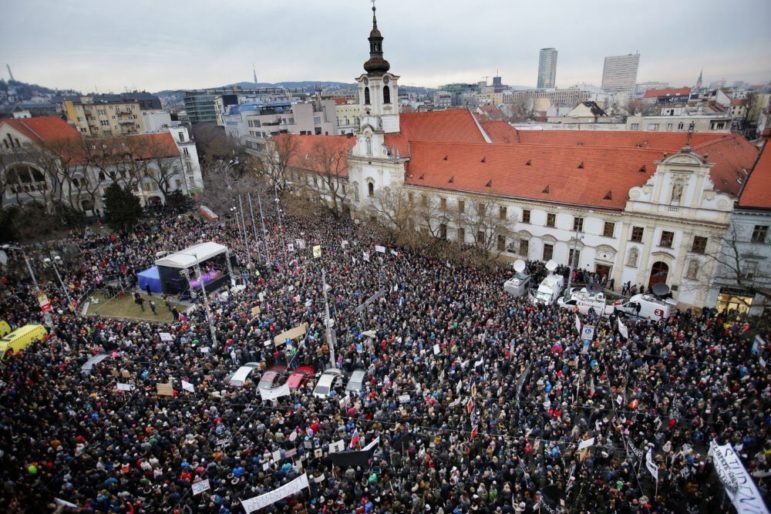
- Public Outcry: Protests and media scrutiny have intensified, with citizens demanding accountability from political leaders.
- EU Scrutiny: The case has drawn attention from European institutions, raising concerns about Slovakia’s democratic backsliding.
- Legal Uncertainty: Gašpar’s legal team has not commented publicly on the allegations, leaving his political future in limbo.
Who Is Boris Gašpar, and Why Is He Under Fire?
Boris Gašpar, a long-time member of Fico’s Smer-SD party, has served as Speaker of the Slovak National Council since 2020. His role as parliament’s presiding officer grants him significant influence over legislative proceedings, including the ability to shape committee agendas and control debate. However, his leadership has come under increasing scrutiny amid allegations of financial irregularities and ties to the Kuciak investigation.
Critics argue that Gašpar’s refusal to disclose certain assets—particularly those linked to offshore entities—undermines public trust in Slovakia’s political institutions. While the parliamentary committee’s recommendation of financial penalties is not legally binding, it carries symbolic weight. Opposition lawmakers have vowed to escalate their efforts, including potential impeachment proceedings, if Gašpar does not resign voluntarily.
The timing of the allegations is particularly sensitive, coming as Slovakia prepares for European Parliament elections in June 2026. Fico’s government has faced mounting criticism from Brussels over democratic erosion, including restrictions on media freedom and judicial independence. The Kuciak case, which exposed corruption at the highest levels of government, has become a rallying cry for pro-EU reformers.
The Kuciak Murder: A Case That Still Haunts Slovakia
Ján Kuciak, a 27-year-old journalist for the investigative outlet Aktuality.sk, was found shot dead in his home in February 2018 alongside his fiancée, Martina Kušnírová. The murder sent shockwaves through Slovakia and Europe, prompting mass protests and calls for political reform. Despite extensive investigations by Slovak authorities and international cooperation, no one has been convicted in the case.
Kuciak’s work had exposed alleged payments from the Italian mafia to high-ranking Slovak officials, including members of Fico’s government. His murder was widely seen as an attempt to silence investigative journalism and intimidate those exposing corruption. The case remains a stain on Slovakia’s reputation, with human rights organizations and EU officials repeatedly urging Bratislava to ensure justice is served.
In a 2023 statement, the European Parliament condemned the lack of progress in the case, calling it “a grave violation of fundamental rights.” The statement highlighted the need for Slovakia to “uphold the rule of law and ensure accountability for those responsible.”
Opposition’s Strategy: Leveraging the Kuciak Case for Political Gain
Opposition parties, including the Progressive Slovakia (PS) and Freedom and Solidarity (SaS) alliances, have seized on the Gašpar controversy to rally public support. Their strategy hinges on two key arguments: first, that Gašpar’s alleged financial disclosures are part of a broader pattern of corruption; and second, that his continued presence in parliament undermines Slovakia’s democratic credentials ahead of the EU elections.
“The Kuciak case is not just about one man—it’s about a system that protects the powerful and punishes those who dare to speak out,” said a PS spokesperson in a recent interview. “Gašpar’s resignation is a necessary first step toward restoring trust in our institutions.” The opposition has also accused Fico’s government of obstructing justice in the Kuciak investigation, pointing to delays and lack of transparency in the proceedings.
Meanwhile, Fico’s Smer-SD party has dismissed the allegations as politically motivated, arguing that Gašpar’s financial disclosures are a private matter. The government has also defended its record on the Kuciak case, citing the complexity of the investigation and the challenges of prosecuting organized crime. However, critics remain skeptical, arguing that the lack of convictions reflects a broader failure of the judicial system.
What Happens Next? The Road Ahead for Slovakia’s Political Crisis
The next critical juncture in the crisis will be the parliamentary committee’s final decision on Gašpar’s financial penalties, expected in the coming weeks. If the committee upholds its recommendation, Gašpar could face significant political pressure to resign. Opposition lawmakers have already signaled they will push for a vote of no confidence, though such measures require broad support in parliament.
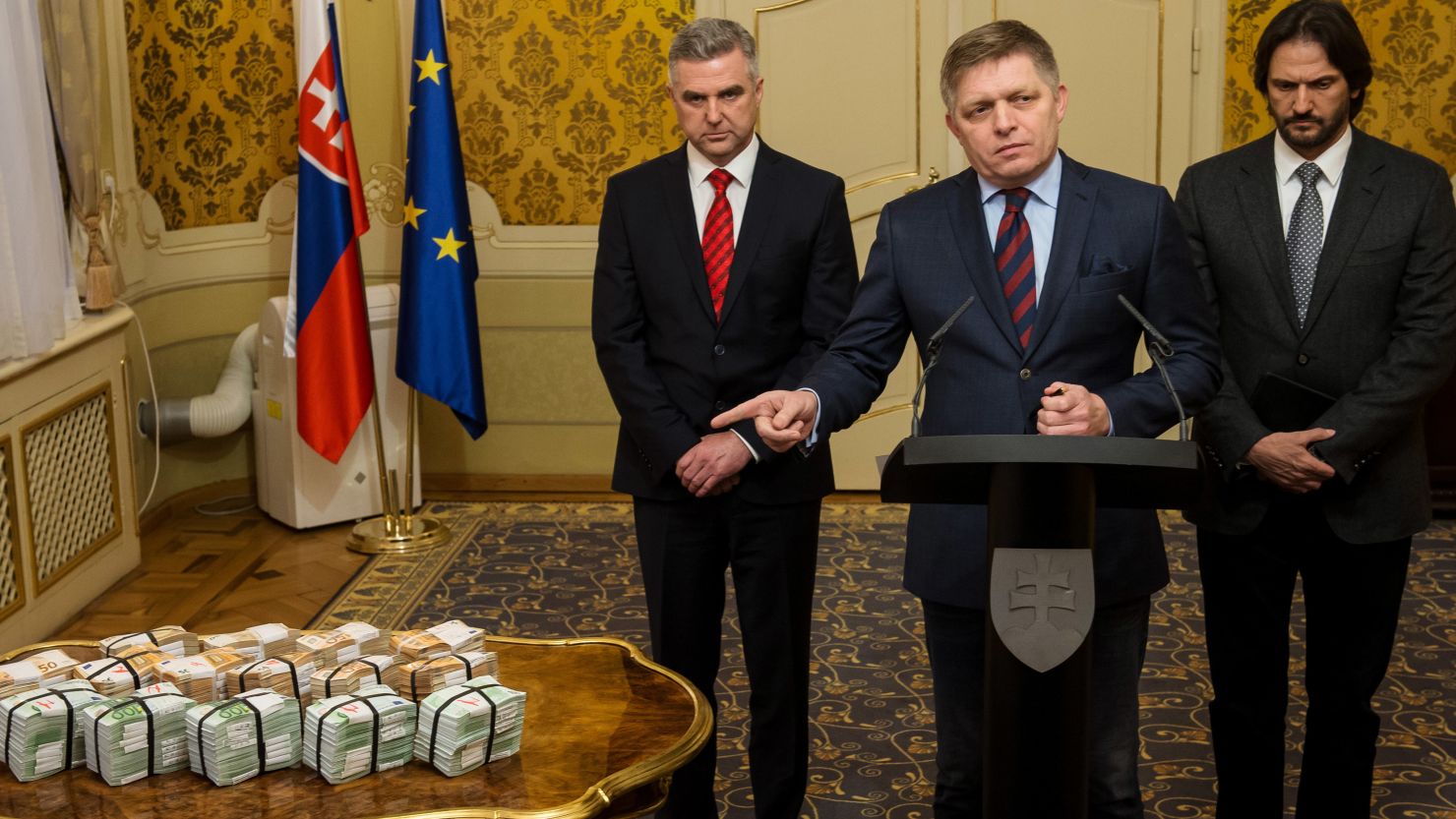
Beyond Gašpar’s immediate fate, the crisis raises broader questions about Slovakia’s political future. The Kuciak case remains a symbol of the country’s struggles with corruption and impunity, while the EU elections loom as a potential turning point. If Fico’s government fails to address these issues, it could face further isolation in Brussels and increased scrutiny from international human rights organizations.
For now, the focus remains on Gašpar. His legal team has not issued a public response to the allegations, leaving his political future uncertain. As the opposition ramps up its campaign, the coming weeks will be decisive in determining whether Slovakia’s political elite can break free from the shadow of the Kuciak case—or whether the crisis will deepen further.
What do you think? Should Boris Gašpar resign over his alleged ties to the Kuciak case? Share your thoughts in the comments below, and follow World Today Journal for updates on this developing story.
Keep reading