Tehran, May 26, 2026 — Iran has condemned a series of U.S. Military strikes inside its territory as a “gross violation” of the ongoing ceasefire, escalating tensions as high-level negotiations for a potential peace deal remain stalled. The attacks, which targeted missile launch sites and naval assets in the Persian Gulf region, were described by U.S. Central Command (CENTCOM) as “self-defense” measures following what it called “provocative actions” by Iranian forces. The strikes occurred amid delicate diplomatic talks brokered by Qatar in Doha, where Iranian and Qatari officials were engaged in indirect negotiations with U.S. Representatives to finalize a framework agreement.
The Iranian government’s response was swift and unequivocal. In a statement released by the Islamic Republic of Iran Broadcasting (IRIB), Foreign Ministry spokesperson Nasser Kanaani called the strikes “a clear and deliberate breach of the ceasefire agreement,” adding that they “undermine the trust necessary for meaningful diplomacy.” The statement did not specify casualties or damage but warned that Tehran would “take all necessary measures to defend its sovereignty and the security of its people.” Meanwhile, the Islamic Revolutionary Guard Corps (IRGC) reported downing a U.S. Drone and engaging other aircraft in Iranian airspace, marking a direct confrontation between the two nations’ militaries.
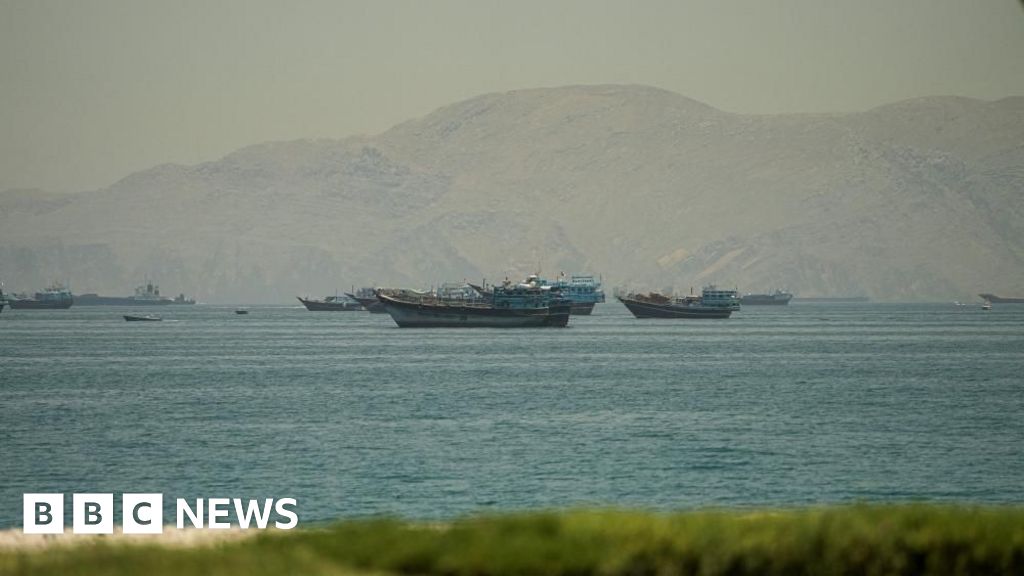
U.S. Officials, including Senator Marco Rubio, have framed the strikes as necessary to counter what they describe as ongoing Iranian aggression, including missile attacks and threats to commercial shipping in the Strait of Hormuz. Rubio, speaking to reporters in Washington, stated that the Strait would “remain open, one way or the other,” signaling a hardening of the U.S. Position. The comments came as President Donald Trump reiterated that a deal with Iran is “largely negotiated,” though he left open the possibility that negotiations could collapse entirely. Trump’s administration has maintained a blockade on Iranian oil exports and financial transactions until a final agreement is reached.
Ceasefire Under Strain as Diplomatic Talks Continue
Diplomatic efforts to avert a broader conflict have been ongoing for weeks, with Qatar serving as a neutral mediator. Iranian officials have acknowledged progress in discussions but emphasized that the U.S. Side’s “frequent changes” to proposed terms have created obstacles. A senior Iranian negotiator, speaking on condition of anonymity to the Associated Press, stated that while common ground had been identified on several issues—including the reopening of the Strait of Hormuz and the withdrawal of foreign forces from regional conflicts—disputes over Iran’s nuclear program and sanctions relief remained unresolved.
The latest strikes occurred as negotiators were reportedly preparing to finalize a draft agreement in Doha, though no official timeline for a signing ceremony has been announced. The IRGC’s statement about downing a U.S. Drone adds a new layer of risk to the talks, as it suggests a willingness by Iran to respond militarily to perceived provocations. Analysts warn that the incident could derail the negotiations entirely, particularly if it leads to further escalation in the Persian Gulf.
Regional Fallout: Lebanon, Israel, and the Wider Conflict
The strikes come as Israel continues its military campaign against Hezbollah in southern Lebanon, despite a fragile ceasefire that has been in place since mid-April. The Israeli Defense Forces (IDF) reported conducting over 100 airstrikes in Lebanon overnight, targeting what it described as Hezbollah infrastructure in the Beqaa Valley. The IDF has urged residents in the village of Mashghara to evacuate to the north, citing “ongoing hostilities.” Hezbollah, in turn, has continued to fire rockets into northern Israel, maintaining pressure on the Israeli military.

Supreme Leader Mojtaba Khamenei’s recent remarks—where he stated that regional nations would no longer serve as “shields” for U.S. Military bases—have been interpreted by Western officials as a warning of potential retaliation against allies hosting U.S. Troops. The comments follow a pattern of Iranian rhetoric that has increasingly framed the conflict as a regional struggle rather than a bilateral dispute between Tehran and Washington.
What Happens Next: Key Checkpoints and Uncertainties
The immediate question now is whether the strikes will lead to a full breakdown of the ceasefire or whether diplomatic channels can be salvaged. U.S. Officials have indicated that they are prepared to continue negotiations, but the IRGC’s actions suggest that Iran may be adopting a more confrontational stance. The next critical checkpoint will likely be the response from the Iranian government to the drone downing and the broader implications for the talks in Doha.
For readers seeking official updates, the following sources provide verified information:
- U.S. Central Command (CENTCOM) for statements on military actions.
- Islamic Republic of Iran Broadcasting (IRIB) for Iranian government responses.
- U.S. Department of State for diplomatic updates.
- Israeli Defense Forces (IDF) for developments in Lebanon.
Key Takeaways
- Escalation Risk: The U.S. Strikes inside Iran and the IRGC’s response to drones have raised tensions to a critical level, with both sides issuing defiant statements.
- Diplomatic Deadlock: While progress has been made in talks brokered by Qatar, disputes over Iran’s nuclear program and sanctions relief remain major hurdles.
- Regional Impact: The conflict is spilling over into Lebanon, where Israel’s campaign against Hezbollah continues despite a ceasefire.
- Next Steps: The focus will be on whether Iran’s military response leads to a full ceasefire collapse or if diplomatic efforts can be revived.
- Strait of Hormuz: The U.S. Has vowed to keep the critical shipping lane open, but Iranian actions could test that commitment.
The situation remains fluid, with no clear path forward. As negotiations continue—and military posturing intensifies—the world will be watching closely to see whether diplomacy or escalation will define the next chapter in this complex conflict. For now, the immediate priority is de-escalation, though the risks of miscalculation remain high.

What are your thoughts on the latest developments? Share your insights in the comments below, and don’t forget to share this report to keep others informed.
Keep reading
- Gironde and Les Landes Travel and Local Discussion
- UAE Weather Update: Rain Continues, Temperatures, and Forecast
- NAMA Shutdown: The Legacy of Ireland’s Bad Bank 16 Years After Financial Collapse (news-usa.today)
- Trump Legal Team Defends Accountability Efforts Amid Ongoing Proceedings (world-today-news.com)