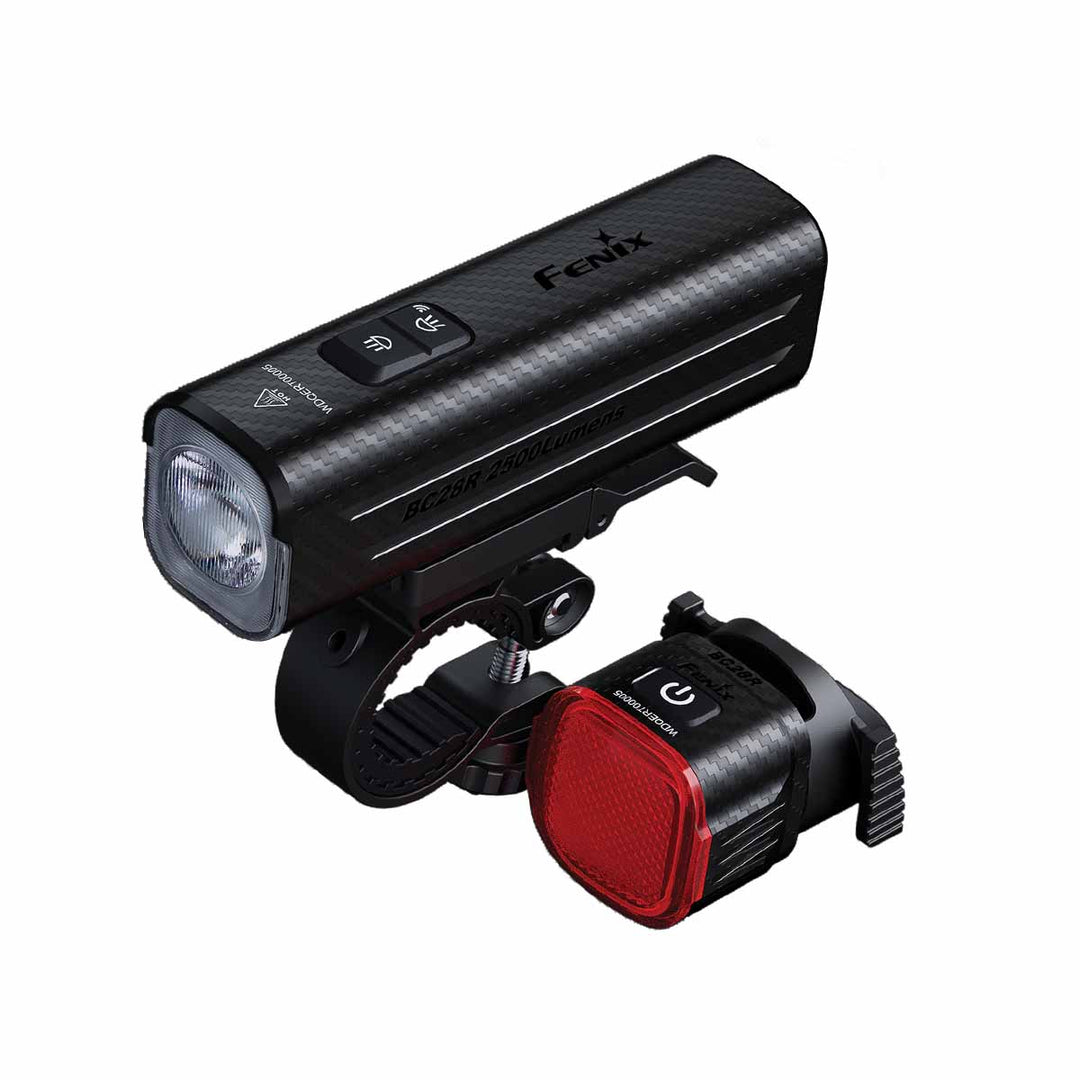
As a technology editor, I have spent years tracking how consumer-grade optics move from specialized tactical gear into the everyday carry and cycling markets. The intersection of high-capacity battery technology and robust lighting systems is a critical area for commuters and outdoor enthusiasts alike. Recently, the market has seen the introduction of the Fenix BC28R Smart Head & Tail Bike Light Combo, a development that highlights the industry’s shift toward standardized, high-efficiency power management in cycling safety equipment.
For those navigating urban environments or rural trails, having a reliable light source is not merely a convenience; it is a fundamental safety requirement. The latest hardware from Fenix, a company known for its extensive catalog of flashlights, headlamps and lanterns, focuses on durability and high-performance output to address the specific needs of modern cyclists.
Engineering for the Road: Power and Efficiency
The core of the BC28R system lies in its power architecture. By utilizing the 21700 battery format, Fenix is tapping into a cell standard that has gained significant traction in the high-performance lighting sector due to its superior energy density compared to the traditional 18650 cells. This choice allows for longer runtimes in a relatively compact form factor, which is essential for long-distance commuters or endurance cyclists who cannot afford mid-ride power failures.
the integration of USB-C charging has become a non-negotiable standard for professional-grade gear. The transition to this universal port ensures that users can utilize existing cables and chargers, reducing the need for proprietary hardware and simplifying the maintenance cycle. According to the manufacturer’s specifications, this model is designed to meet the rigorous demands of cycling and outdoor activities, balancing brightness with the structural integrity required for high-vibration environments.
Key Features of the BC28R System
When evaluating new lighting gear, I always look for a balance between raw lumen output and practical functionality. The BC28R setup is designed as a combo, meaning it addresses both front-facing visibility and rear-facing hazard identification. This dual approach is vital for visibility in traffic, where being seen is as important as seeing the path ahead.

Key technical highlights of the system include:
- High-Capacity Battery Management: The use of 21700 lithium-ion cells provides a robust foundation for extended illumination periods.
- USB-C Connectivity: Facilitates rapid charging and compatibility with modern mobile electronics.
- Tactical Durability: Drawing on the company’s background in tactical and public safety lighting, the build quality is engineered to withstand impacts and varying weather conditions.
- Smart Integration: The system is designed to be intuitive, allowing cyclists to adjust settings easily while in motion.
For those interested in the technical specifications and current pricing, the official product page provides a detailed breakdown of the unit’s capabilities, including its specific lumen output and beam distance metrics.
Why Battery Standards Matter
The industry-wide move toward 21700 batteries is not just a trend; it is a response to the increasing power demands of modern LED arrays. As optics become brighter—with some search-and-rescue grade models now pushing upwards of 18,000 lumens—the power source must evolve to prevent overheating and ensure stable voltage delivery. While bike lights do not require the same power as search lights, the migration to this battery size ensures that cycling gear shares the same reliable ecosystem as the rest of a user’s portable tech.
In my view, the decision to prioritize USB-C and 21700 compatibility makes the BC28R a practical investment for any serious cyclist. It aligns with the broader trend of “future-proofing” hardware, ensuring that the device remains relevant as charging standards and battery chemistry continue to improve.
Looking Ahead
As the cycling season progresses, the availability of high-performance, rechargeable lighting will remain a focal point for safety-conscious riders. Fenix continues to iterate on their designs, often incorporating feedback from the tactical and everyday carry communities to refine their cycling-specific tools. Whether you are a daily commuter or a weekend trail rider, the emphasis on USB-C and standardized high-capacity cells marks a positive step toward more reliable and sustainable gear.
For those looking to explore the broader range of equipment, from everyday carry lights to specialized search gear, the company’s official store portal remains the primary source for updates and product availability. I encourage our readers to share their experiences with rechargeable cycling gear in the comments section below—have you found the transition to USB-C to be a game-changer for your commute?