
In our hyper-connected era, the seamless flow of data through fiber-optic cables and cellular towers often feels like a permanent utility. Yet, as anyone who has experienced a sudden network outage knows, our modern communication infrastructure is far more fragile than it appears. When the Wi-Fi dies and mobile signals vanish, the reality of our dependence on centralized systems becomes stark. For those looking to build personal resilience, understanding the landscape of CB radio vs GMRS vs amateur radio is a vital first step in establishing independent communication channels.
As a technology editor, I have spent years covering the evolution of digital networks, but there is an enduring utility in radio frequency (RF) communication that no app can replicate. Whether you are preparing for emergencies or simply interested in the hobbyist side of long-range signaling, choosing the right path depends on your goals, your technical aptitude, and the licensing requirements mandated by the Federal Communications Commission (FCC) in the United States.
Understanding the Radio Landscape
The choice between Citizens Band (CB), General Mobile Radio Service (GMRS), and Amateur Radio (often called “Ham” radio) is essentially a choice between ease of use, range, and regulatory complexity. Each service operates on different frequency bands and carries specific legal frameworks that dictate how you can use your equipment.
Citizens Band radio is perhaps the most accessible entry point. It operates on the 27 MHz band and requires no license to operate. Historically used by long-haul truckers, CB radio is a “plug-and-play” system. However, its range is significantly limited by atmospheric conditions and the low power output allowed by the FCC’s rules for the Citizens Band Radio Service. If you need short-range, local communication without the friction of testing or registration, CB remains a functional, albeit dated, choice.
GMRS: The Balanced Approach
For many families and small groups, GMRS offers a compelling middle ground. It provides higher power output than standard consumer walkie-talkies and allows for the use of repeaters, which can dramatically extend your signal range across hilly or urban terrain. Unlike CB, GMRS does require an FCC license. According to the official FCC guidelines, the license is granted for a 10-year term and covers you and your immediate family members, making it a highly efficient option for household emergency planning.
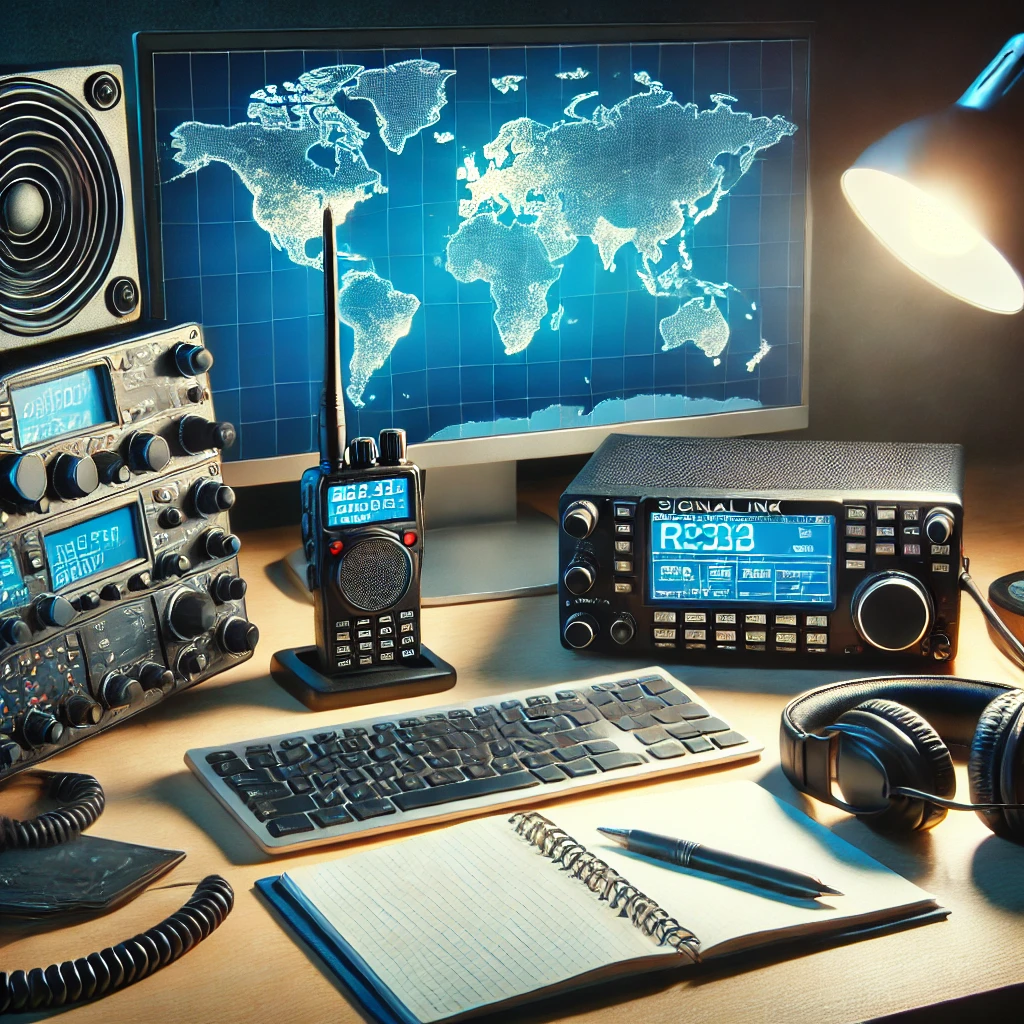
The licensing process for GMRS is straightforward—there is no examination required. You simply pay the application fee, which is currently set at $35 as per the Commission’s recent fee schedule updates. Once granted, your call sign serves as your official identifier, and you are authorized to operate on designated UHF frequencies.
Amateur Radio: The Gold Standard for Capability
If your interest lies in deep technical capability, global reach, and the ability to operate across a vast spectrum of frequencies, Amateur Radio is the definitive choice. Unlike CB or GMRS, “Ham” radio is a licensed service that requires passing an examination to prove your understanding of radio theory, electronics, and regulatory practice.
The American Radio Relay League (ARRL) provides the primary pathway for study and testing in the U.S. There are three license classes: Technician, General, and Amateur Extra. Each tier grants access to different frequency bands and operating privileges. While the barrier to entry is higher due to the study requirement, the reward is the ability to communicate across continents, experiment with digital modes, and participate in emergency communications networks that often remain active when commercial infrastructure fails.
Comparing Your Options
To help you decide which path aligns with your needs, consider the following breakdown of requirements and capabilities:
- CB Radio: No license required; limited range; high noise floor; ideal for simple, short-range group coordination.
- GMRS: License required ($35 fee); no test; family-wide coverage; supports repeaters for increased range; ideal for family emergency preparedness.
- Amateur Radio: License required; examination required; vast frequency access; global reach; ideal for enthusiasts and those seeking maximum technical reliability.
The decision ultimately comes down to your objective. If you want a “turn-key” solution for a road trip, a CB radio is sufficient. If you are looking for a reliable, family-oriented emergency communication plan, GMRS is likely the best investment. However, if you are drawn to the science of radio and want the most robust and versatile system available, the journey toward an Amateur Radio license is well worth the effort.
As we move through 2026, the FCC continues to update its enforcement and licensing procedures. Readers are encouraged to check the official FCC Radio Service portal for the most recent updates on frequency allocations and licensing changes. If you have questions about which equipment to start with, or if you have already begun your licensing journey, I invite you to share your experiences in the comments below.
Keep reading