
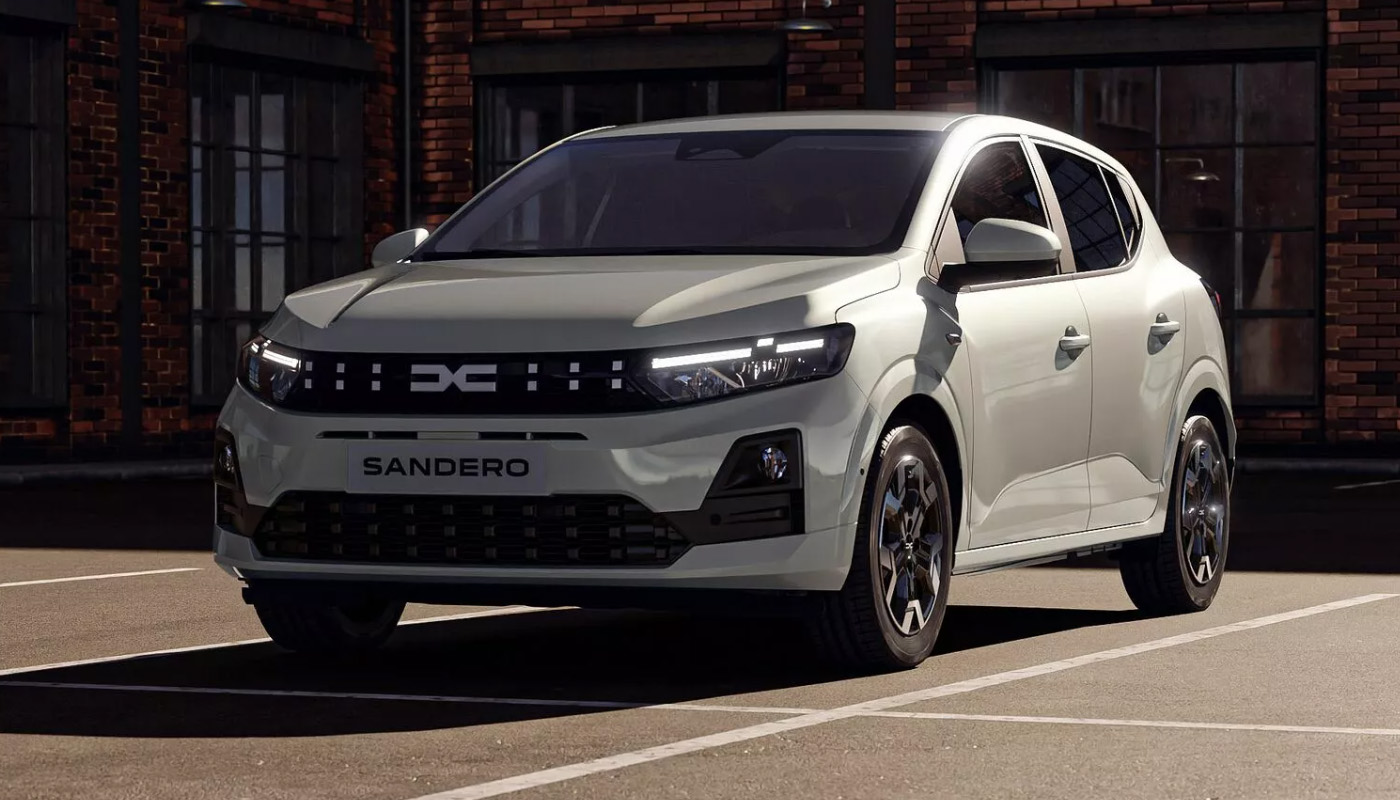
The automotive landscape in Europe is shifting and the latest registration data confirms that consumers are increasingly prioritizing value-driven engineering. The Dacia Sandero has once again reclaimed its position as the most registered passenger vehicle across the European market, signaling a robust recovery for the Romanian manufacturer following a complex first quarter. This resurgence underscores a broader consumer trend toward practical, essential mobility solutions as household budgets face continued inflationary pressure.
As the Chief Editor of the Business section at World Today Journal, I have tracked the evolution of the automotive sector for nearly two decades. The success of the Sandero—a model that has become synonymous with the “essentials-first” strategy of the Renault Group—is not merely a fluke of supply chain normalization. It is a calculated response to a market that is demanding high-utility vehicles at competitive price points. With the automotive industry currently navigating the transition to electrification and stricter emissions standards, Dacia’s ability to maintain volume while keeping costs optimized remains a pivotal case study in modern manufacturing economics.
Strategic Recovery and Market Positioning
The return of the Dacia Sandero to the top of the European sales charts follows a period of volatility that affected numerous manufacturers in the early months of the year. While initial reports indicated a softening in demand, the latest figures show that the brand has effectively stabilized its output and distribution channels. According to the Renault Group’s official corporate overview, Dacia’s business model is built on the premise of “the essentials at the best price,” which involves optimizing costs at every stage from initial design to final marketing. This approach has allowed the brand to maintain its footprint in a highly competitive segment where margins are notoriously thin.

The manufacturing hub for these vehicles remains the Mioveni plant in Argeș County, Romania. As noted in historical and operational data regarding S.C. Automobile Dacia S.A., the facility has undergone significant modernization since the company was acquired by the French Groupe Renault in 1999. By focusing on modular platforms and shared components, the company has managed to scale production to reach hundreds of thousands of units annually, ensuring that they can meet spikes in demand without compromising the financial health of the subsidiary.
Understanding the “Dacia Effect”
What drives the consumer verdict on the Sandero? Industry analysts often point to the “eco-smart” positioning of the brand. Dacia has successfully integrated dual-fuel petrol/LPG systems across its passenger vehicle range, providing an alternative for drivers who are conscious of both fuel costs and the environmental impact of their vehicles. This, paired with the introduction of more efficient electric city car options like the Dacia Spring, allows the manufacturer to cater to a diverse demographic—from urban commuters to rural families requiring rugged, reliable transport.
the brand’s focus on longevity is supported by rigorous testing protocols. At the Titu Technical Centre in Romania, specialized laboratories perform accelerated ageing tests under various climatic conditions to ensure that every model meets the durability standards required by European buyers. For the consumer, this translates to a vehicle that is perceived as a “tool for life” rather than a disposable luxury, a sentiment that has clearly resonated in the latest registration statistics.
Key Takeaways for the Automotive Sector
The recent performance of the Sandero provides several insights into the current state of the European automotive economy:

- Value-Centric Demand: Consumers are gravitating toward brands that offer transparency in pricing and clear, functional feature sets.
- Resilience in Supply Chains: Dacia’s ability to recover from a slow first quarter suggests that its integration into the broader Renault supply network is operating with increased efficiency.
- Sustainability through Simplicity: By reducing excess weight and complexity, the brand is achieving better fuel efficiency, which aligns with both consumer interests and stringent European regulatory frameworks.
While the market will continue to fluctuate as the industry faces the ongoing challenges of the transition to electric mobility, the Sandero’s consistent presence at the top of the registration lists suggests that Dacia has secured a loyal customer base. The brand’s focus on the essentials—rather than the addition of non-essential, cost-inflating technology—remains its most effective competitive advantage.
Looking Ahead
As we move into the second half of the year, investors and industry observers will be watching to see if Dacia can maintain this momentum. The next key checkpoint will be the release of the half-year fiscal results, where the impact of these registration volumes on the company’s operating income and net profit margins will be clarified. As always, we will continue to monitor these developments closely at the World Today Journal.
What are your thoughts on the market’s shift toward value-based automotive brands? Are you seeing similar trends in your local market? We invite you to join the conversation in the comments section below and share your insights on the future of affordable mobility.